Valley Forge was not a frozen wasteland, but a crucible of disease and innovation.
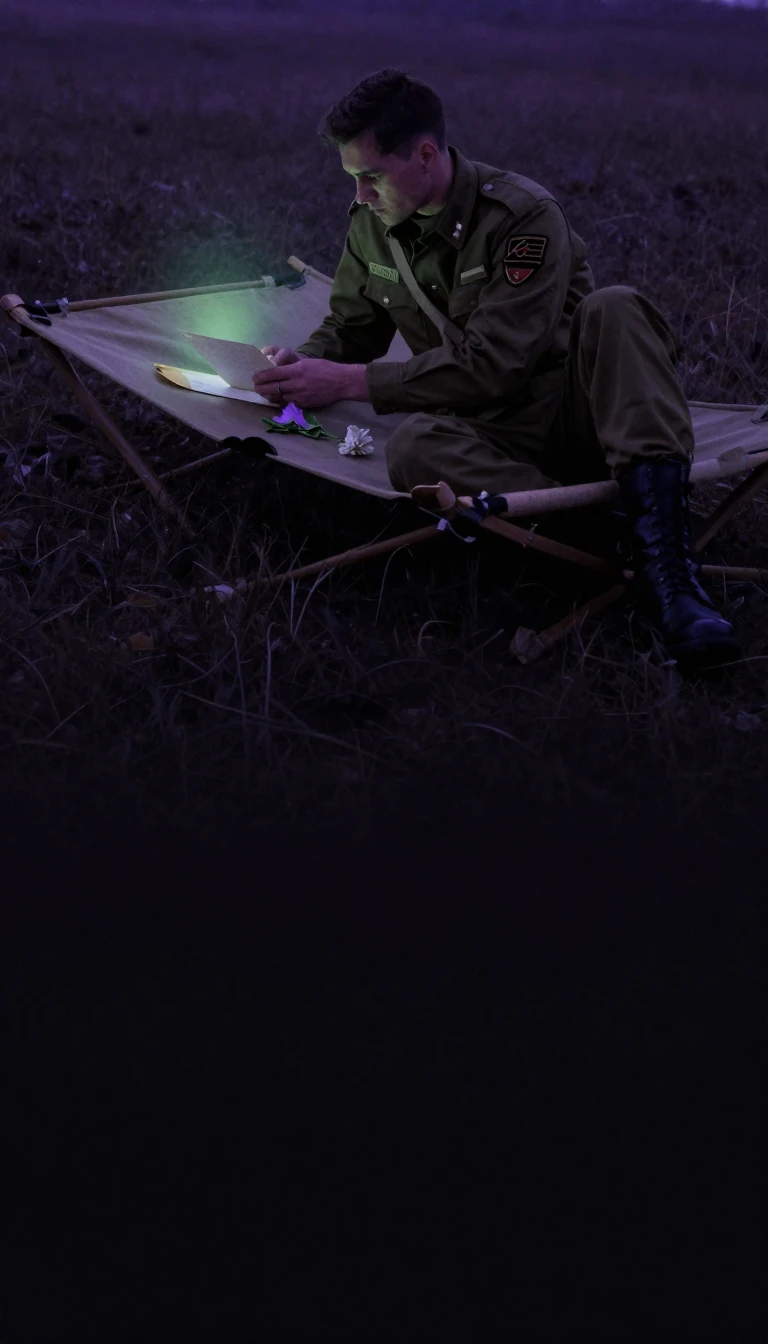
In short: Contrary to popular belief, the winter at Valley Forge was not defined by bitter cold, but by a catastrophic breakdown in logistics. While soldiers suffered from hunger and disease, the encampment became the site of the first state-sponsored immunization campaign in history and a rigorous, transformative military training program.
From December 19, 1777, to June 19, 1778, George Washington led his 12,000-man Continental Army into winter quarters at Valley Forge, Pennsylvania. The site was chosen for its strategic high ground and proximity to Philadelphia, which had recently fallen to the British. However, the army arrived to find a broken supply chain, exacerbated by poor road conditions and congressional neglect. Soldiers, lacking adequate clothing and food, were forced to construct between 1,500 and 2,000 log huts to survive the winter, often eating only firecakes—a tasteless mixture of flour and water.
The encampment was a site of immense suffering, with 1,700 to 2,000 soldiers dying from diseases like typhus, typhoid, and dysentery. Conditions were exacerbated by a lack of sanitation and the presence of unburied animal remains. Yet, Washington achieved a medical milestone by ordering mass inoculations against smallpox. This precursor to modern vaccination, which provided lifetime immunity, marked the first large-scale, state-sponsored immunization effort in history, significantly bolstering the army's long-term strength.
Beyond survival, Valley Forge served as a vital training ground. Baron Friedrich von Steuben, a Prussian drill master, implemented a standardized program that taught soldiers volley fire, bayonet proficiency, and coordinated maneuvers. This replaced the previous chaos of using multiple, conflicting field manuals. Simultaneously, the army underwent a reorganization of its divisions and supply department, with Nathanael Greene appointed as Quartermaster General in March 1778. These efforts, combined with the arrival of supplies and the thawing of the Schuylkill River, transformed the Continental Army into a more disciplined and efficient fighting force.
The encampment was also a microcosm of colonial diversity, featuring soldiers from various ethnic backgrounds and languages, alongside women who provided essential nursing and laundry services. Despite political threats like the Conway Cabal, which sought to replace Washington with Horatio Gates, the army emerged from the winter more unified. By the time they marched out in June 1778, the Continental Army had overcome the threat of starvation and internal mutiny to become a professionalized military.
Opens the Intellect+ feed with this card first. Swipe up for the next one.
Sources
- Summary by Intellect · source: Valley Forge
To cite this card, link to https://intellectplus.co.uk/app/culture-valley-forge.
How we source, check and correct cards: Editorial standards.
General information, not professional advice. Spotted an error? Flag the card or see corrections and complaints.
Intellect Plus is a visual educational discovery platform for exploring fascinating facts and ideas. Brain Food, Not Brain Rot. What is Intellect Plus?
Related
More in Peoples & civilisations · More in Cultures · Latest · A–Z · All topics
