Why the languages we speak at home are often dismissed as 'incorrect'
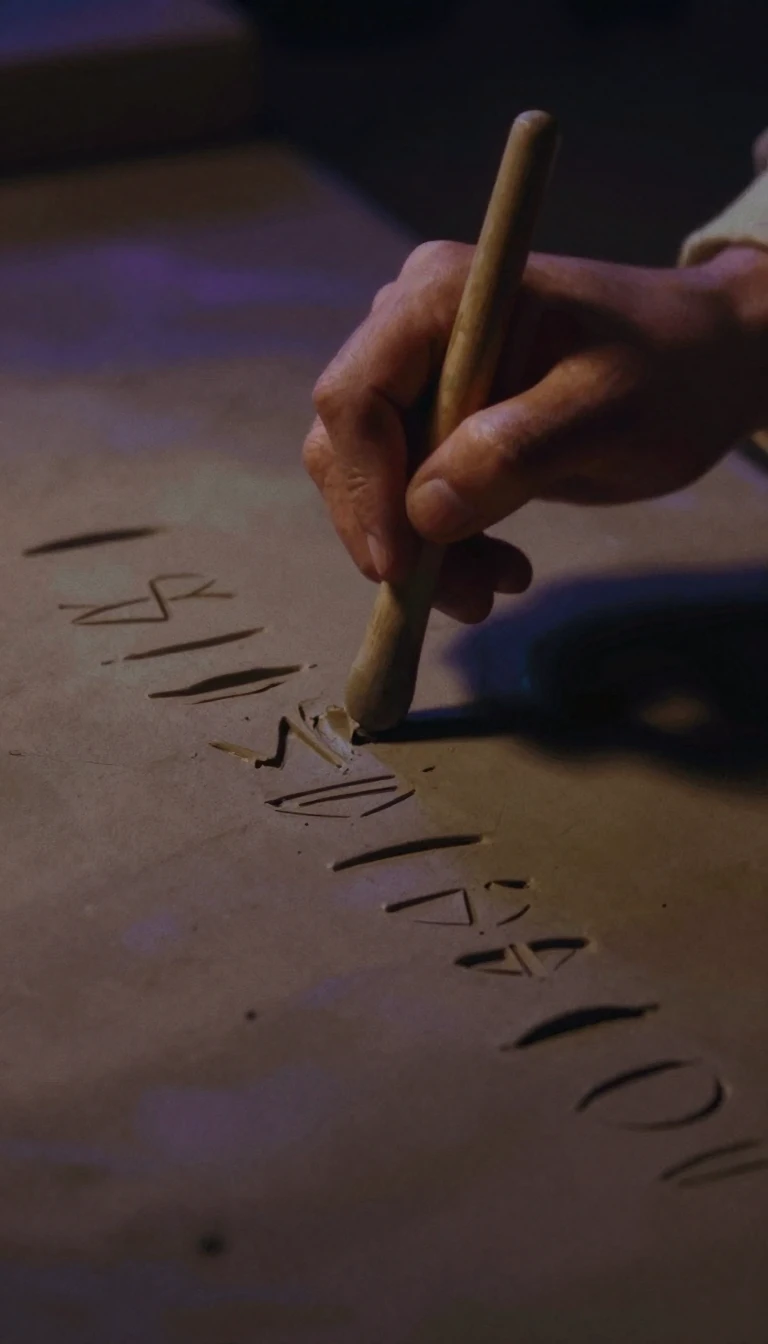
In short: We often label certain dialects as 'nonstandard' or 'low-status,' yet linguists argue they are far from broken. From the streets of the American South to the halls of the Renaissance, the vernacular is a complex, rule-bound system that carries deep cultural identity.
The term 'vernacular' carries a heavy social weight, often perceived as a lower-status or less prestigious version of a language compared to its 'standard' counterpart. This standard variety is typically codified, institutionally promoted, and used in formal literature or science. Because of this, vernaculars—the native, informal speech of a community—can often carry social stigma or be viewed as 'substandard.'
However, linguistics tells a different story. As American linguist John McWotrer noted regarding historical dialects in the American South, varieties like older African-American Vernacular English were 'nonstandard but not substandard.' Every vernacular, regardless of social prestige, possesses its own internally coherent system of grammar, vocabulary, and sound patterns. They are not errors, but complete linguistic systems.
Historically, the shift from a lingua franca—a third-party language used for broad communication, such as Latin in Europe—to the vernacular has been driven by religious and political shifts. The Protestant Reformation was a major catalyst, as the Bible was translated into native tongues like Dutch (1526), French (1528), and English (1611). Similarly, in India, the 12th-century Bhakti movement moved sacred texts from Sanskrit into vernaculars like Hindi and Telugu.
Today, this tension persists in 'diglossia,' where a society uses a 'high' variety for formal purposes and a 'low' vernacular for everyday life. While the standard language dominates the classroom and the news, the vernacular remains the most spontaneous, least self-conscious style of human connection.
Opens the Intellect+ feed with this card first. Swipe up for the next one.
Sources
- Summary by Intellect · source: Vernacular
To cite this card, link to https://intellectplus.co.uk/app/culture-vernacular.
How we source, check and correct cards: Editorial standards.
General information, not professional advice. Spotted an error? Flag the card or see corrections and complaints.
Intellect Plus is a visual educational discovery platform for exploring fascinating facts and ideas. Brain Food, Not Brain Rot. What is Intellect Plus?
Related
More in Traditions & customs · More in Cultures · Latest · A–Z · All topics
