Vietnamese cuisine balances five fundamental tastes to achieve harmony with the human body
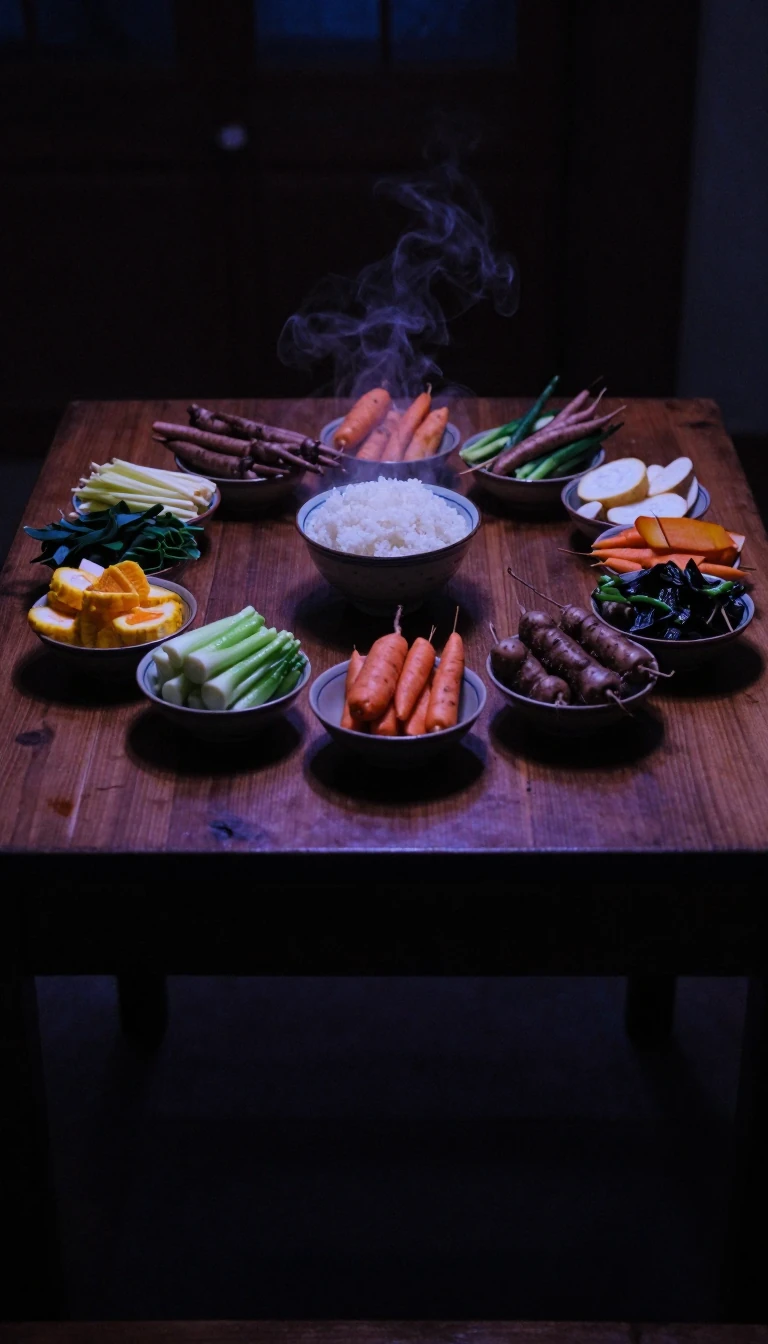
In short: Beyond fresh herbs and rice-based staples, Vietnamese cooking is guided by a sophisticated philosophy of balance. Every meal is composed to harmonize five colors, five nutrients, and five distinct tastes, each corresponding to specific internal organs. This ancient approach turns simple, affordable ingredients into a complex, intentional culinary experience.
At the heart of Vietnamese culinary tradition lies the concept of ngũ vị, or five fundamental tastes: sweet, salty, bitter, sour, and spicy. These flavors are not merely for enjoyment; they are believed to correspond to five vital internal organs, including the stomach and the bladder. This framework extends to ngũ chất, the five essential nutrients—such as protein, fat, and minerals—and ngũ sắc, a requirement for five distinct colors in every dish. By integrating these elements, cooks aim to achieve a nutritional and aesthetic equilibrium that reflects broader Asian principles of balance.
This philosophy is deeply rooted in the yin-yang concept of heating and cooling properties. Ingredients are selected based on the season and the body's needs; for example, duck is considered a cooling food and is paired with ginger fish sauce, which is warm, to provide balance. Similarly, spicy foods, categorized as hot, are often tempered with sour elements, which are viewed as cooling. This practice ensures that meals are not only flavorful but also beneficial for the consumer's physical state, adjusting for environmental conditions like the heat of summer or the chill of winter.
The cuisine is also a testament to resourcefulness born from historical hardship. Because many Vietnamese people lived through long periods of conflict and economic struggle, the tradition emphasizes maximizing every ingredient. In rural areas, this means using entire animals, from muscle meat to intestines, and repurposing vegetable scraps, such as replanting the roots of scallions. This frugality does not sacrifice quality; instead, it fosters a style of cooking that is simple in its presentation yet remarkably rich in flavor, relying on fresh herbs, vegetables, and the ubiquitous use of fish sauce to elevate humble components into a cohesive, regional meal.
Opens the Intellect+ feed with this card first. Swipe up for the next one.
Sources
- Summary by Intellect · source: Vietnamese cuisine
To cite this card, link to https://intellectplus.co.uk/app/culture-vietnamese-cuisine.
How we source, check and correct cards: Editorial standards.
General information, not professional advice. Spotted an error? Flag the card or see corrections and complaints.
Intellect Plus is a visual educational discovery platform for exploring fascinating facts and ideas. Brain Food, Not Brain Rot. What is Intellect Plus?
Related
More in Traditions & customs · More in Cultures · Latest · A–Z · All topics
