How Vietnam’s culture evolved through millennia of regional expansion and foreign influence
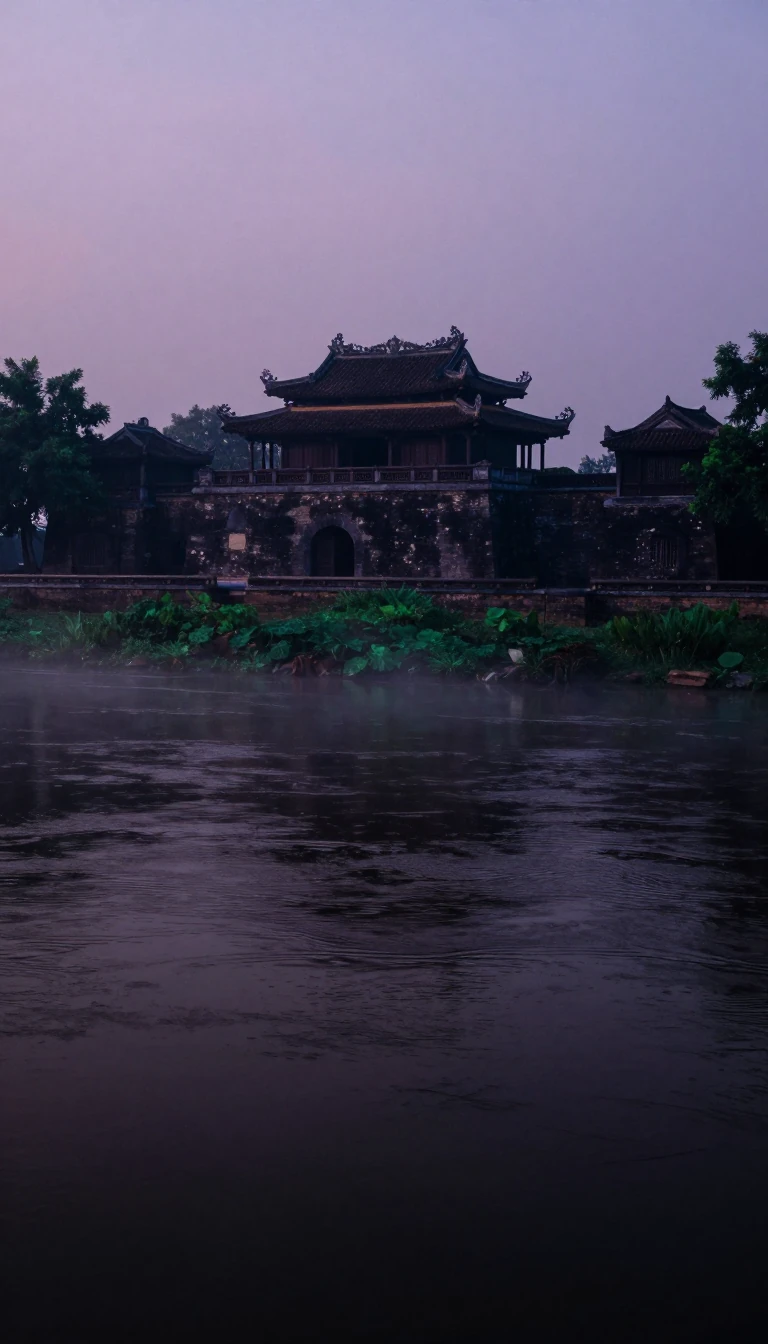
In short: Vietnam’s cultural identity is a complex tapestry woven from ancient indigenous traditions, a thousand years of Chinese rule, and later French colonial impact. From the rhythmic complexity of water puppetry to the refined balance of its cuisine, Vietnam maintains a distinct character shaped by its geography and history.
The roots of Vietnamese culture stretch back to the Bronze and Iron Age, evidenced by artifacts like the Dong Son drums and the Sa Huynh culture, which suggest early connections across Southeast Asia. Following a millennium of Northern Rule ending in 939 CE, Vietnam expanded southward, absorbing influences from the Champa and Khmer civilizations. This history of expansion and contact created a diverse society, now home to 54 distinct ethnic groups and over 100 spoken languages.
Language and literature reflect this layered history. While Classical Chinese served as the formal written language for centuries, the 13th century saw the emergence of the Nôm script, which adapted Chinese characters to represent the Vietnamese language. By the 20th century, the Latin-based chữ Quốc Ngữ became the standard, facilitating widespread literacy but sparking debates about the potential loss of nuance from older poetic forms. Today, modern literature spans from romanticism to realism, often reflecting the nation's revolutionary and social realities.
Artistic expression in Vietnam is equally varied, ranging from the formal, ritualistic Imperial Court music to the satirical, village-based theatre of Hát chèo. Water puppetry, an art form dating to the 10th century, remains a unique cultural pillar, while traditional silk painting evolved in the 19th and 20th centuries by incorporating French techniques. Culinary traditions, defined by a reliance on rice, fish sauce, and fresh herbs, are similarly regional, with iconic dishes like phở showcasing the country's emphasis on harmony and balance.
The resilience of these traditions is notable. Despite periods of suppression—such as the 20th-century condemnation of the ancient chamber music genre Ca trù—many art forms have seen significant revivals. Recognized by UNESCO and the Vietnamese government, these practices are preserved not just as relics of the past, but as living components of a national identity that continues to adapt to modern global influences.
Opens the Intellect+ feed with this card first. Swipe up for the next one.
Sources
- Summary by Intellect · source: Culture of Vietnam
To cite this card, link to https://intellectplus.co.uk/app/culture-culture-of-vietnam.
How we source, check and correct cards: Editorial standards.
General information, not professional advice. Spotted an error? Flag the card or see corrections and complaints.
Intellect Plus is a visual educational discovery platform for exploring fascinating facts and ideas. Brain Food, Not Brain Rot. What is Intellect Plus?
Related
More in Culture · More in Cultures · Latest · A–Z · All topics
