Visual communication is more than just art; it is a powerful tool for storytelling.
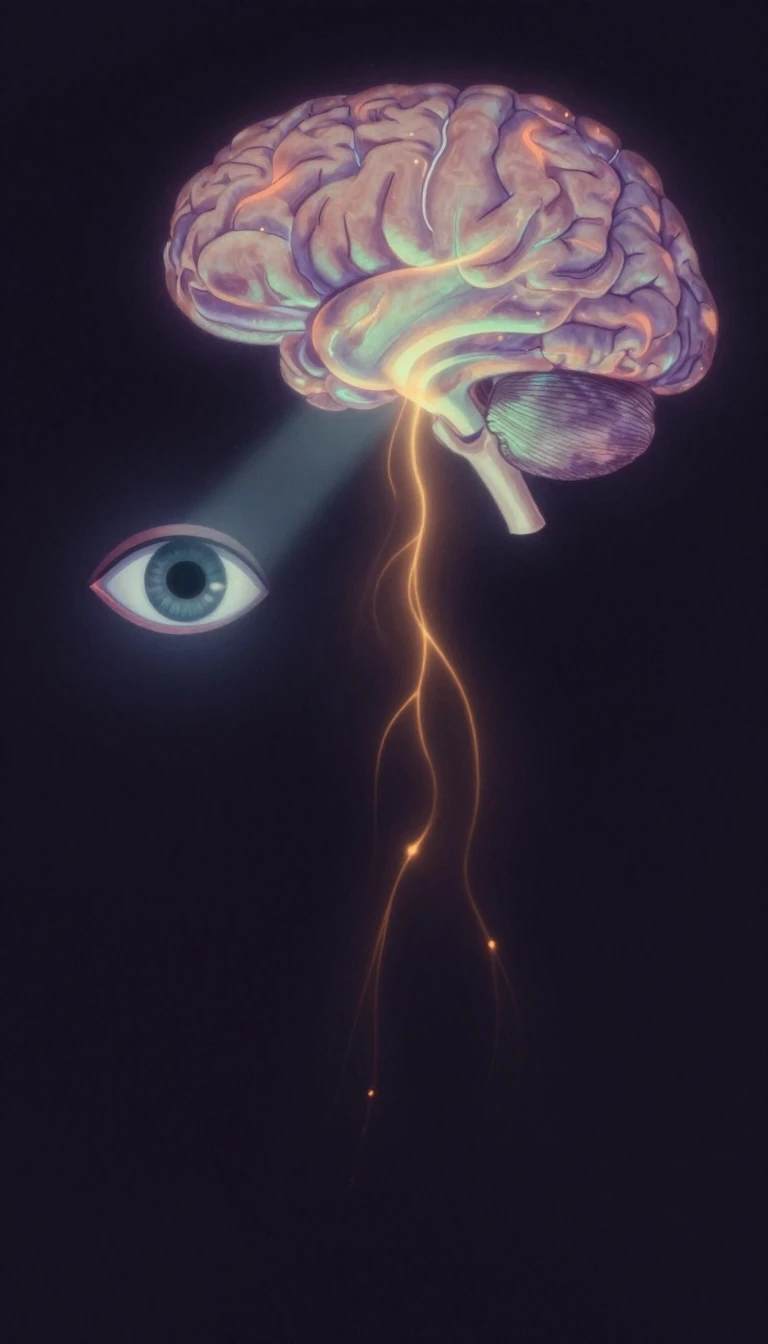
In short: We often overlook how visual communication shapes our daily lives. Beyond mere aesthetics, it acts as a universal language that simplifies complex information, challenges perceptions, and influences behavior. From wartime-style posters to modern data visualization, this discipline bridges the gap between raw data and human understanding in an increasingly digital world.
Visual communication is the strategic use of visual mediums—including design, illustration, film, and photography—to convey information and create experiences. Unlike written or verbal language, which requires formal instruction, sight is an innate human capability. This makes visual communication a uniquely powerful tool for breaking down barriers, as it can transform dense, technical guidance into accessible, impactful material. By leveraging elements like color, shape, and hierarchy, visual communicators help audiences digest complex systems quickly, often bypassing the need for extensive text.
The field has evolved from ancient symbolic representation to a sophisticated discipline central to the modern creative economy. Today, it is not merely about artistic expression but about measurable impact. For instance, during the Covid-19 pandemic, creative agencies utilized wartime-style imagery to clarify government health guidance, demonstrating how visual storytelling can combat misinformation. This effectiveness is often evaluated by how well an audience comprehends the intended message, rather than by subjective artistic preference. As digital tools become more advanced, the ability to visualize and communicate data has become a critical skill for future-ready professionals.
The study of visual communication draws on diverse fields, including Gestalt psychology, which explores how the brain naturally groups visuals by similarity, proximity, and continuity. Researchers like Aldous Huxley have long emphasized that 'seeing' is a complex process of sensing, selecting, and perceiving. Because the interpretation of imagery is subjective and influenced by an individual's personal history, culture, and ethics, analyzing visuals requires a multi-faceted approach. Whether through a personal, historical, or ethical lens, understanding these mechanisms allows us to better navigate a world saturated with visual information, ultimately helping us to shift mindsets and inspire meaningful action.
Opens the Intellect+ feed with this card first. Swipe up for the next one.
Sources
- Summary by Intellect · source: What is Visual Communication?
- Also: Visual communication
To cite this card, link to https://intellectplus.co.uk/app/culture-visual-communication.
How we source, check and correct cards: Editorial standards.
General information, not professional advice. Spotted an error? Flag the card or see corrections and complaints.
Intellect Plus is a visual educational discovery platform for exploring fascinating facts and ideas. Brain Food, Not Brain Rot. What is Intellect Plus?
Related
More in Communication · More in Cultures · Latest · A–Z · All topics
