The Walloons: A Gallo-Romance People Who Shaped Industrial Europe and Beyond
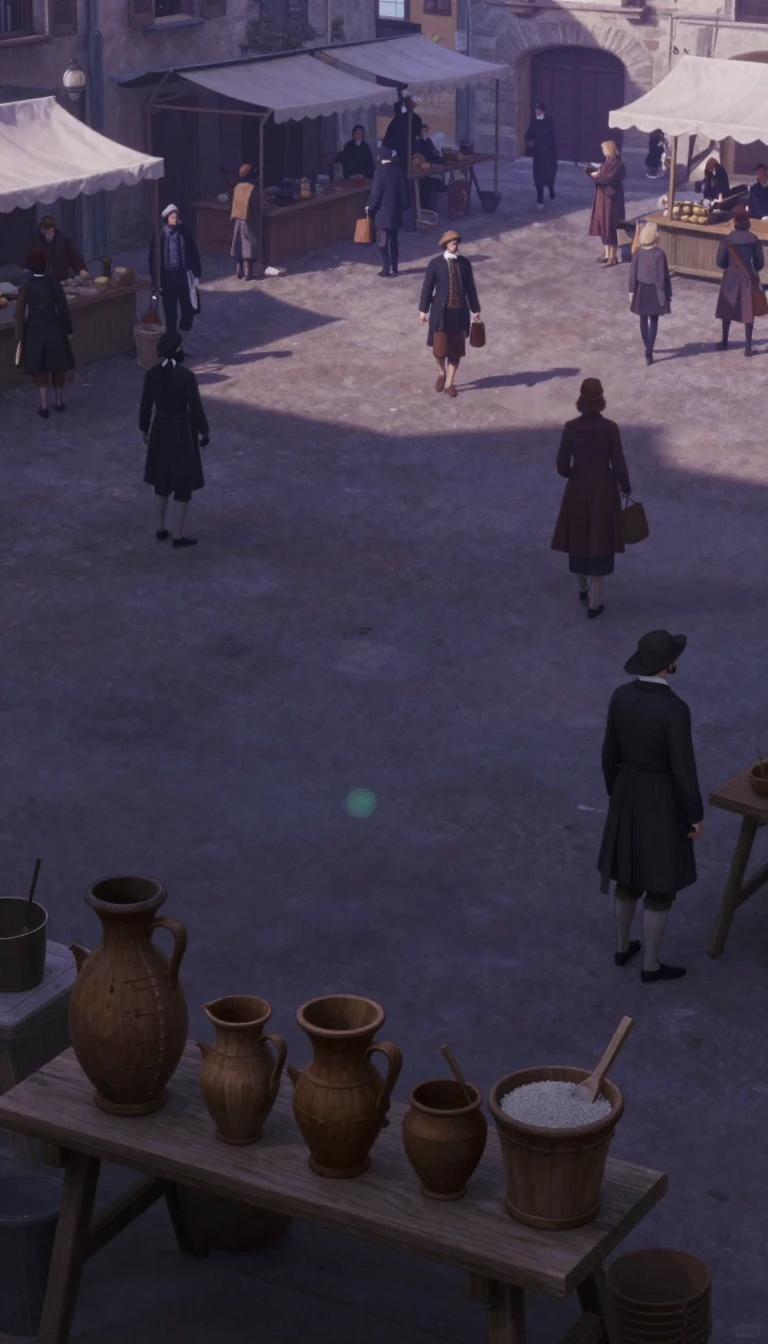
In short: Walloons are a distinct linguistic and ethnic community native to southern Belgium, historically defined by their Romance languages. Once the engine of Continental Europe's Industrial Revolution, this group’s influence stretches from the coal mines of their homeland to the ironworks of Sweden and the early settlements of Wisconsin.
The term Walloon derives from *walha, a Proto-Germanic word used to describe Celtic and Latin speakers. Over centuries, the identity evolved from a broad reference to Roman populations in the Burgundian Netherlands into a specific designation for French-speaking Belgians. Today, Wallonia is one of Belgium's three autonomous regions, though its internal cultural landscape is complex; it includes a German-speaking community in the east and various regional dialects like Picard and Champenois, meaning not every resident of the region identifies as culturally Walloon.
Historically, Walloons were pioneers of the Industrial Revolution, turning their region into an economic powerhouse through coal and steel production in the 19th century. This prosperity fostered a politically dominant elite, though the balance of power shifted toward Flanders in the late 20th century as heavy industry declined. The Walloon language itself, once widespread, has faced a long decline, largely due to its exclusion from the public school system in favor of French.
Beyond Belgium, Walloon influence was significant in European development. In the 17th century, skilled Walloon miners and iron-workers migrated to Sweden, introducing advanced production techniques that accounted for 15 percent of the nation's iron output. Similar migrations reached Finland and Poland, while in the 19th century, thousands of Walloons settled in Wisconsin, leaving a legacy of family names and a unique dialect known as Wisconsin Walloon in the Door Peninsula.
The modern political identity of Wallonia is a product of the 19th-century Belgian Revolution and subsequent state reforms. As Belgium transitioned from a unitary state to a federal one, the Walloon Movement sought to assert a distinct identity. Today, the region remains a central, if evolving, pillar of the Belgian state, navigating the tensions between its historical industrial legacy and its contemporary role within a federalized, multilingual nation.
Opens the Intellect+ feed with this card first. Swipe up for the next one.
Sources
- Summary by Intellect · source: Walloons
To cite this card, link to https://intellectplus.co.uk/app/culture-walloons.
How we source, check and correct cards: Editorial standards.
General information, not professional advice. Spotted an error? Flag the card or see corrections and complaints.
Intellect Plus is a visual educational discovery platform for exploring fascinating facts and ideas. Brain Food, Not Brain Rot. What is Intellect Plus?
Related
More in Peoples & civilisations · More in Cultures · Latest · A–Z · All topics
