Can ancient Western liturgical traditions exist within the framework of Eastern Orthodox theology?
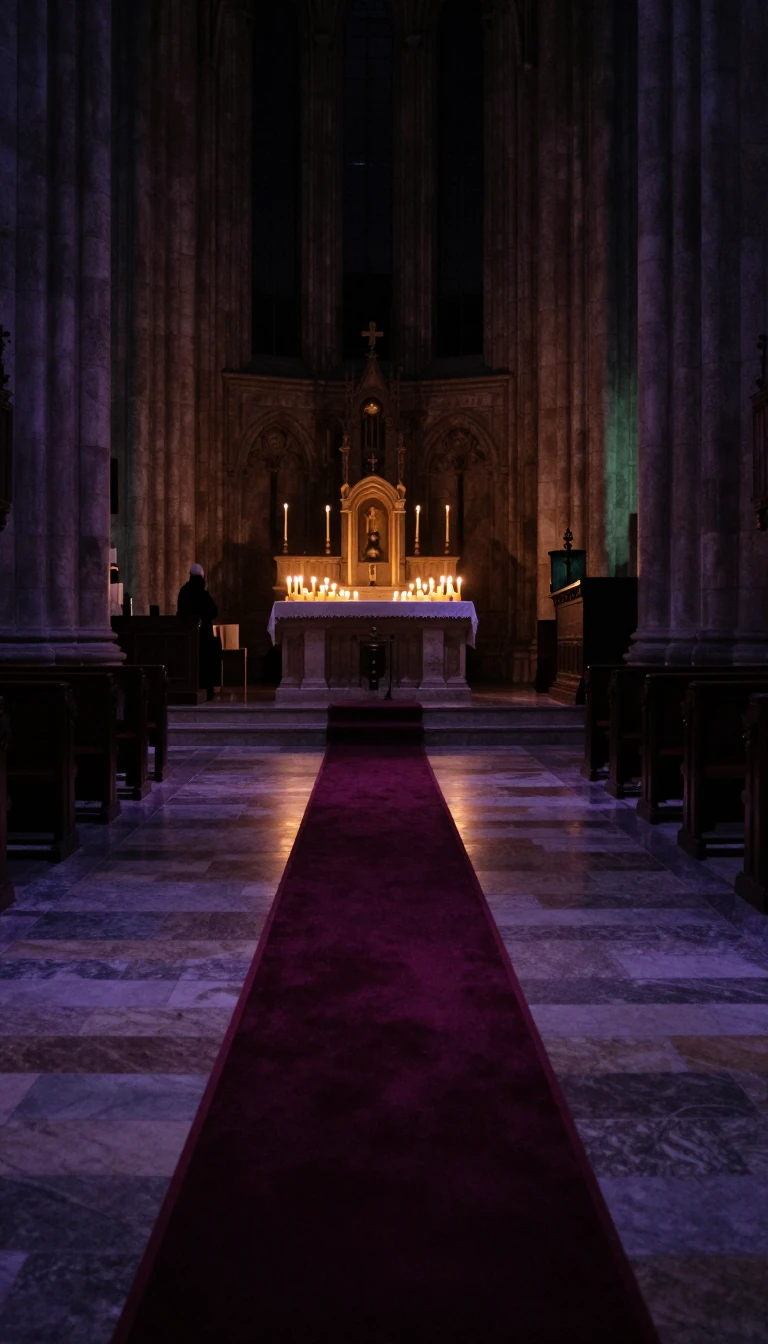
In short: Western Rite Orthodoxy offers a rare synthesis: congregations that maintain Western liturgical forms like the Tridentine or Sarum rites while adhering to Eastern Orthodox doctrine. Though often contentious, this movement seeks to bridge the divide between historical Western practice and the theological structure of the Eastern Orthodox Church.
The movement traces its modern roots to Julian Joseph Overbeck, a former Roman Catholic priest who petitioned the Russian Orthodox Church in 1869 to establish a Western rite. While his personal efforts to create a Western Orthodox Church failed, his vision persisted. Later, figures like Saint Tikhon of Moscow provided a more enduring framework by evaluating the Book of Common Prayer for potential use in Orthodox worship, concluding that doctrinal corrections could allow for such parishes to exist.
Today, Western Rite Orthodoxy is practiced within specific jurisdictions, most notably the Antiochian Orthodox Christian Archdiocese of North America and the Russian Orthodox Church Outside Russia (ROCOR). These communities often utilize diverse liturgies, such as the Divine Liturgy of Saint Tikhon or the English Liturgy, which incorporates elements from the Sarum Missal and the 1549 Book of Common Prayer. These rites are carefully adapted to emphasize Eastern theological teachings, such as the invocation of saints.
The path has not been without turbulence. Many early attempts at establishing Western Rite communities, such as those led by René Vilatte or the Orthodox Church of France, faced canonical isolation or eventual separation from mainstream Orthodoxy. Even within stable jurisdictions, the status of these parishes remains a subject of ongoing negotiation. For instance, ROCOR underwent a significant shift in 2013, temporarily halting ordinations for Western Rite clergy before establishing a new leadership structure to integrate these communities more firmly into the church's traditional rules.
Ultimately, the movement remains a niche but persistent phenomenon, primarily found in countries with significant Roman Catholic or Protestant populations. It serves as a living experiment in liturgical history, testing whether the ancient, diverse traditions of the West can be fully reconciled with the canonical requirements of the East.
Opens the Intellect+ feed with this card first. Swipe up for the next one.
Sources
- Summary by Intellect · source: Western Rite Orthodoxy
To cite this card, link to https://intellectplus.co.uk/app/culture-western-rite-orthodoxy.
How we source, check and correct cards: Editorial standards.
General information, not professional advice. Spotted an error? Flag the card or see corrections and complaints.
Intellect Plus is a visual educational discovery platform for exploring fascinating facts and ideas. Brain Food, Not Brain Rot. What is Intellect Plus?
Related
More in Traditions & customs · More in Cultures · Latest · A–Z · All topics
