The Byzantine Rite is a complex, ancient liturgical tradition born in Constantinople's imperial courts.
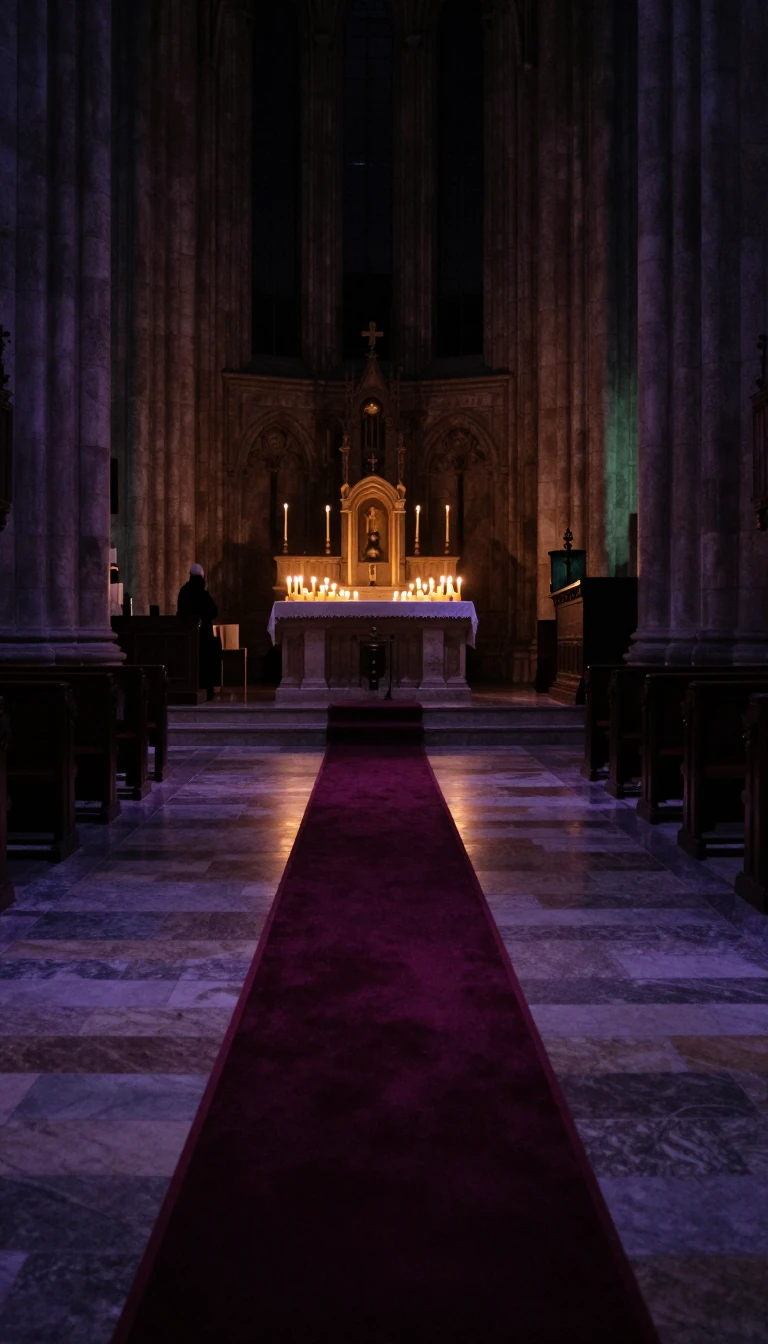
In short: Originating from the Eastern Christian church of Constantinople, the Byzantine Rite is a sophisticated synthesis of monastic and cathedral traditions. It features extended canonical hours, frequent prostrations, and a deep veneration of icons. While its practices have evolved over centuries, it remains a cornerstone of Eastern Orthodox and Catholic worship.
The Byzantine Rite, or the Rite of Constantinople, emerged as a cultural synthesis following the 8th and 9th-century Iconoclasm. Scholars describe it as a hybrid, blending the cathedral rite of Constantinople—known as asmatiki akolouthia—with the Palestinian Rite of Jerusalem. This development was heavily influenced by the monastic typikon of the Mar Saba monastery and later refined by institutions like the Studion monastery, which enjoyed the patronage of the imperial court.
Central to the rite is a demanding cycle of prayer. The full cycle of services is typically observed only in monasteries and cathedrals, where canonical hours are complex and lengthy. In parish settings, these are often grouped into three major daily times of prayer: morning, midday, and evening. The Divine Liturgy, the core eucharistic service, is most commonly celebrated using the Liturgy of St. John Chrysostom, though the Liturgy of St. Basil is used ten times annually, and the Liturgy of the Presanctified Gifts is reserved for specific weekdays during Great Lent.
The rite is defined by its sensory and physical engagement. Congregants frequently make the sign of the cross and bow, and an iconostasis—a partition covered in icons—separates the altar from the nave. Fasting is also strictly prescribed, with four major seasons and frequent weekly fasts involving abstention from meat, dairy, fish, wine, and oil. The theological framework surrounding the 'Holy Mysteries' emphasizes their ineffable, sacred character, distinguishing them from the more rigid definitions found in Western traditions.
Historical shifts have occasionally fractured the tradition. By the mid-17th century, the Russian Church’s practices had diverged from contemporary Greek norms. Patriarch Nikon’s attempts to align Russian liturgy with Greek practices triggered the Raskol, a schism that created the present Russian Orthodox Church and the Old Believers, who clung to archaic liturgical forms. Today, the rite continues to evolve, even influencing diverse expressions such as Byzantine-rite Lutheranism.
Opens the Intellect+ feed with this card first. Swipe up for the next one.
Sources
- Summary by Intellect · source: Byzantine Rite
- Also: Wikidata — Byzantine Rite · CC0
To cite this card, link to https://intellectplus.co.uk/app/places-byzantine-rite.
How we source, check and correct cards: Editorial standards.
General information, not professional advice. Spotted an error? Flag the card or see corrections and complaints.
Intellect Plus is a visual educational discovery platform for exploring fascinating facts and ideas. Brain Food, Not Brain Rot. What is Intellect Plus?
Related
More in Cities · More in Countries & Cities · Latest · A–Z · All topics
