The mysterious Ancient North Eurasians shaped the genetic map of the modern world
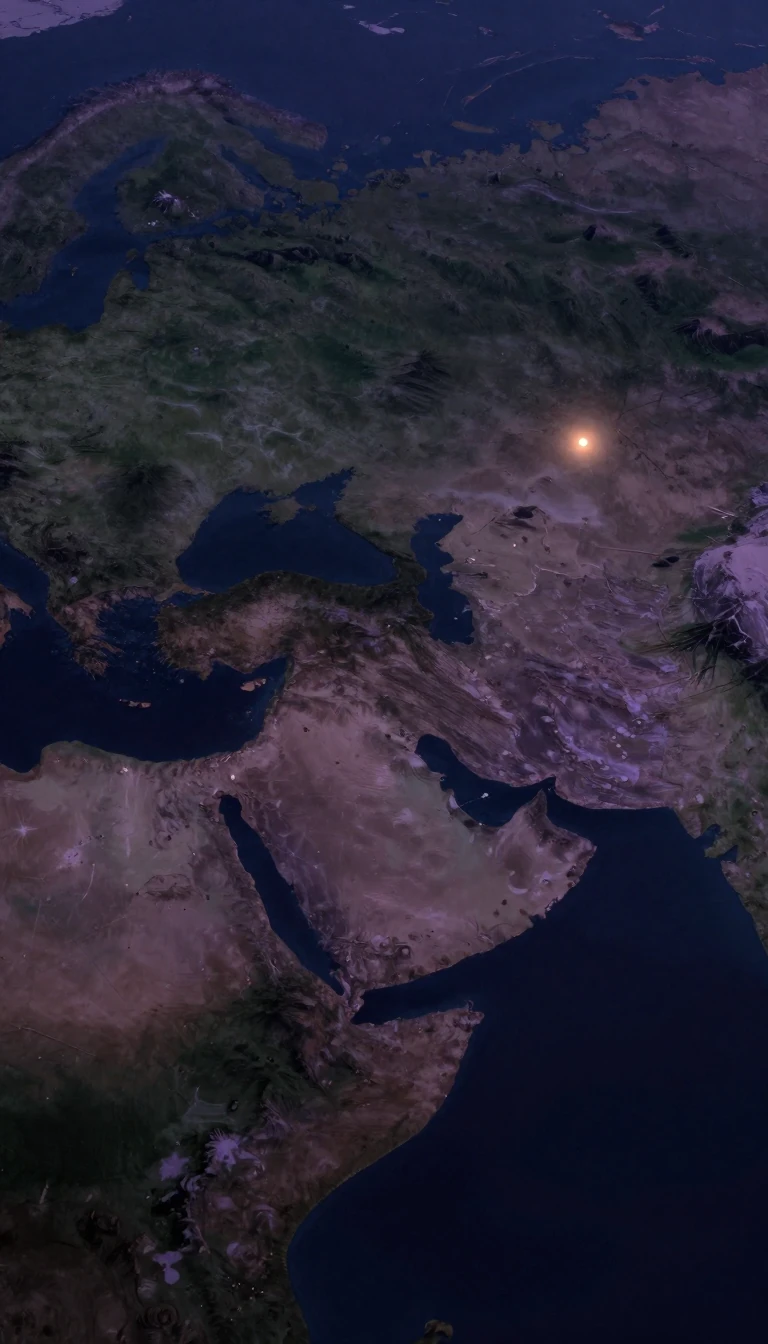
In short: Tracing back to the Mal'ta–Buret' culture 24,000 years ago, the Ancient North Eurasian lineage acts as a hidden genetic foundation for populations across Eurasia and the Americas. From the Tarim Mummies to Native Americans, this ancestral group left a profound, complex legacy that researchers are only now fully mapping.
The Ancient North Eurasian (ANE) lineage represents a pivotal ancestral component in human history, first identified through the remains of the 'Mal'ta boy' (MA-1) in central Siberia. Dating to the Last Glacial Maximum, approximately 24,000 years ago, this lineage emerged from an admixture event between early West Eurasian populations—related to Upper Paleolithic Europeans like Kostenki-14—and Ancient East Eurasian groups similar to the Tianyuan man. This gene pool, which also includes the Ancient North Siberians (ANS) from the Yana culture (c. 32,000 BP), is characterized by a roughly two-thirds West Eurasian and one-third East Eurasian genetic composition.
The influence of ANE ancestry is remarkably widespread. It served as a critical contributor to the formation of Ancestral Native American populations, with estimates suggesting that between 14% and 38% of their ancestry originates from this source. Furthermore, ANE-related groups migrated westward, eventually merging with Western hunter-gatherers to form the Eastern hunter-gatherer (EHG) lineage. This group later became a key component of the Western Steppe Herders, whose expansion during the Bronze Age dispersed ANE-derived genes across Europe, South Asia, and Central Asia. In some cases, such as the Tarim Mummies (2,135–1,623 BCE), ANE ancestry remained remarkably preserved, with the AG3 specimen representing about 72% of their genetic profile.
Despite their significance, the exact migratory paths and admixture locations remain subjects of intense debate. Theories regarding the emergence of Native American lineages, for instance, clash over whether the admixture occurred in Southern Siberia or through a Beringian standstill. While genomic studies have clarified the ANE's role in shaping diverse populations, researchers continue to refine these models. The persistence of ANE ancestry in modern groups like the Kets, Mansi, and various Native American populations underscores the enduring impact of these Paleolithic hunters on the human story.
Opens the Intellect+ feed with this card first. Swipe up for the next one.
Sources
- Summary by Intellect · source: Ancient North Eurasian
To cite this card, link to https://intellectplus.co.uk/app/health-ancient-north-eurasian.
How we source, check and correct cards: Editorial standards.
General information, not professional advice. Spotted an error? Flag the card or see corrections and complaints.
Intellect Plus is a visual educational discovery platform for exploring fascinating facts and ideas. Brain Food, Not Brain Rot. What is Intellect Plus?
Related
More in Health, medicine and disease · More in Health · Latest · A–Z · All topics
