Is your fictional world a rigid machine or a mysterious, shifting dreamscape?
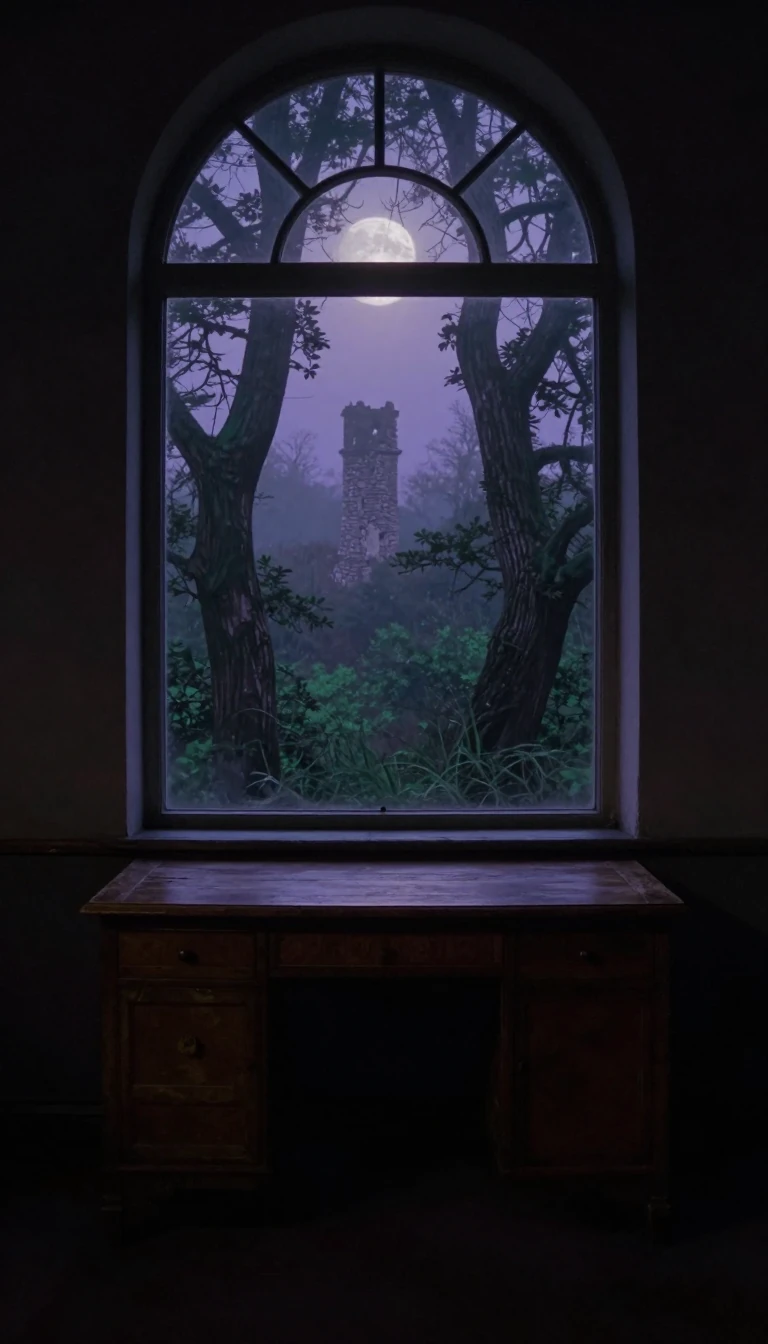
In short: Worldbuilding is the art of crafting immersive universes for stories, games, and film. Creators generally choose between two distinct paths: hard worldbuilding, which demands rigorous internal logic and extensive lore, or soft worldbuilding, which relies on ambiguity and wonder to invite the audience to fill in the gaps themselves.
Hard worldbuilding prioritizes coherence and resilience against narrative inconsistency. By establishing well-defined rules for magic, technology, history, and social structures, creators ensure that every element has a clear explanation. J.R.R. Tolkien’s Middle-earth serves as the definitive model, featuring meticulously constructed languages, geography, and races. Similarly, science fiction like Star Trek employs this method to ground its narratives in consistent politics, ethics, and scientific principles, ensuring that the audience understands the mechanics governing the universe.
In contrast, soft worldbuilding embraces uncertainty. Instead of providing an exhaustive encyclopedia of a setting, creators limit the information available to the audience. This technique, seen in titles like The Legend of Zelda: Breath of the Wild or Studio Ghibli’s Princess Mononoke, uses mystery to foster a sense of wonder. By leaving magical elements or historical events unexplained, the creator encourages the audience to use their imagination to bridge the gaps, creating a more personal and evocative experience.
Regardless of the chosen style, effective worldbuilding requires a foundation of research and iteration. Drawing on real-world history—such as George R. R. Martin’s use of the Wars of the Roses, fought from 1455 to 1485, to ground his political power struggles—adds depth and realism to fictional settings. Furthermore, the iterative design process is essential. Creators must continuously refine their concepts through cycles of testing and feedback, often needing to 'kill their darlings' by discarding ideas that fail to serve the primary plot. Ultimately, the world should support the story, not overshadow it, ensuring that the audience remains engaged with the characters and the narrative journey.
Opens the Intellect+ feed with this card first. Swipe up for the next one.
Sources
- Summary by Intellect · source: A guide to Worldbuilding
- Also: Worldbuilding
To cite this card, link to https://intellectplus.co.uk/app/culture-worldbuilding.
How we source, check and correct cards: Editorial standards.
General information, not professional advice. Spotted an error? Flag the card or see corrections and complaints.
Intellect Plus is a visual educational discovery platform for exploring fascinating facts and ideas. Brain Food, Not Brain Rot. What is Intellect Plus?
Related
More in Language · More in Cultures · Latest · A–Z · All topics
