Is reality just a dream we haven't woken up from yet?
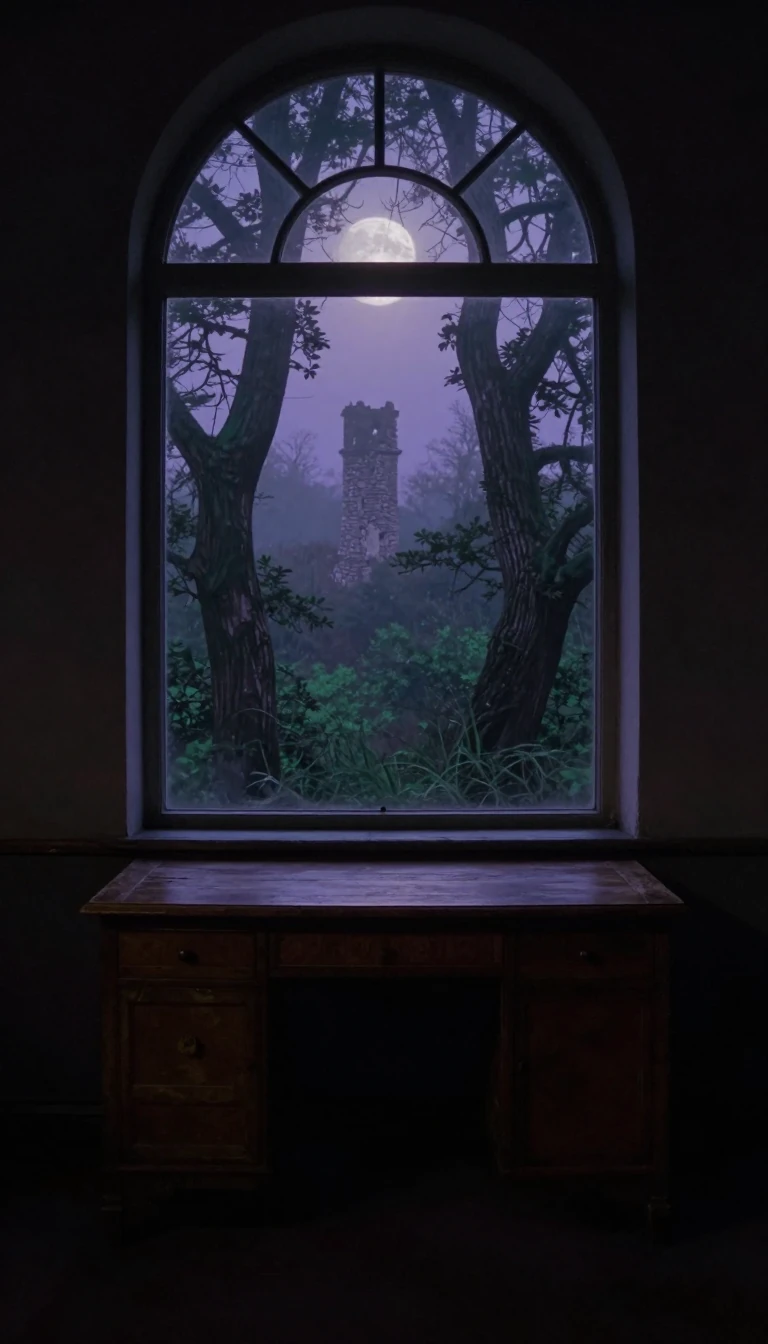
In short: From science fiction to ancient literature, the 'dream world' serves as a powerful tool to blur the lines between what is real and what is imagined. It forces characters—and readers—to confront whether our perceived reality is merely a vivid construction of the mind.
In literary theory, dream worlds are distinguished from standard fantasy by their relationship to the protagonist. J.R.R. Tolkien noted that while fantasy worlds exist independently of their inhabitants, dream worlds are often tied to the dreamer's internal state. However, some authors subvert this by creating 'dream frames' or consistent, continuous realms that hold as much structural integrity as physical reality. This tension creates a philosophical friction: if a dream world is vivid enough to influence decisions or provide moral lessons, what truly constitutes reality?
The motif spans centuries and genres. Medieval literature utilized the 'Locus amoenus' and dream visions in works like The Book of the Duchess to explore allegorical truths. Modern science fiction takes this further by exploring technological interventions. For example, the novel Paprika (1993) imagines dream-analysis devices as a form of psychotherapy for mental disorders, while the film Inception explores 'Extraction'—the act of stealing memories from artificial dream worlds. Some narratives even flip the script entirely: in The Kin of Ata Are Waiting for You, the real world is actually maintained through dreaming.
The consequences within these realms vary wildly across fiction. In the Wheel of Time series, the dream world Tel'aran'rhiod has physical parallels to reality; injuries or deaths sustained there can persist in the waking world. Conversely, other works treat dreams as purely psychological spaces for exploration, such as Alice’s Adventures in Wonderland, where logic is flexible and causality is fluid. Whether used as a tool for 'hypno-paedagogics' or a playground for shared hallucinations, the dream world remains a primary site for exploring the boundaries of human consciousness.
Opens the Intellect+ feed with this card first. Swipe up for the next one.
Sources
- Summary by Intellect · source: Dream world (plot device)
- Also: Journal of sleep research — Sleep and Dreams as Reflected by Science Fiction Literature and Films-Anything to Learn From? · CC BY
To cite this card, link to https://intellectplus.co.uk/app/health-dream-world-plot-device.
How we source, check and correct cards: Editorial standards.
General information, not professional advice. Spotted an error? Flag the card or see corrections and complaints.
Intellect Plus is a visual educational discovery platform for exploring fascinating facts and ideas. Brain Food, Not Brain Rot. What is Intellect Plus?
Related
More in Dreams · More in Health · Latest · A–Z · All topics
