Yellowknife: How a remote gold rush town became a global diamond powerhouse
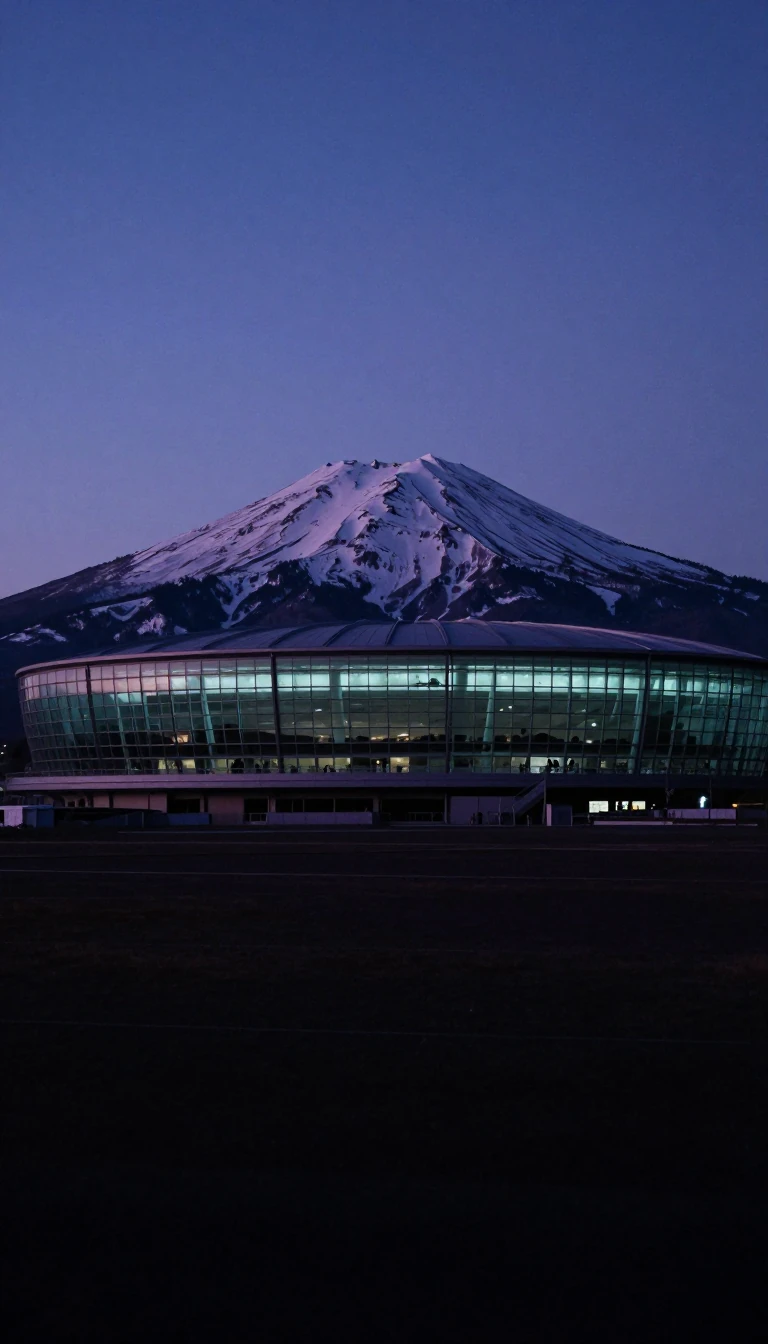
In short: Perched on the edge of the Arctic Circle, Yellowknife transformed from a 1930s gold mining camp into the capital of the Northwest Territories. Today, this resilient city balances its government-led economy with a massive diamond industry, all while navigating the unique challenges of life on the rugged Canadian Shield.
Founded in 1934 after prospectors discovered gold, Yellowknife quickly evolved into the economic heart of the Northwest Territories. The city's early identity was defined by the boom-and-bust cycles of gold mining, which saw the establishment of the Con and Giant mines. By 1967, its strategic importance was cemented when it was named the territorial capital, sparking a new era of growth driven by government services. However, the closure of the final gold mine in 2004 marked a significant turning point, forcing the city to pivot once again.
The 1991 discovery of diamonds 300 kilometres north of the city triggered a fourth building boom, fundamentally altering the local economy. By 2004, Canada had risen to become the world's third-largest diamond producer by value, with production from mines like Ekati and Diavik generating over CA$2.1 billion. This shift solidified Yellowknife's role as a vital service hub for the mining industry, supporting a workforce that relies heavily on both the public sector and the extraction of natural resources.
Life in Yellowknife is shaped by its extreme environment and complex history. The city sits on the Canadian Shield, where the landscape is dominated by rocky terrain and thousands of lakes. Residents experience dramatic seasonal shifts, ranging from 20 hours of daylight in June to harsh winters where temperatures can plummet below -50°C. Beyond the climate, the city manages a legacy of industrial impact, including the ongoing billion-dollar Giant Mine Remediation Project to address arsenic trioxide waste left behind by decades of gold extraction.
Today, Yellowknife remains a unique administrative and cultural centre. It operates under a consensus system of government, a rarity in Canada, and serves as the headquarters for the RCMP's G Division. Despite the challenges of isolation—highlighted by the 2023 wildfire evacuations—the city maintains a distinct character, from the off-grid houseboat community on Jolliffe Island to its role as the primary gateway for tourists seeking the aurora.
Opens the Intellect+ feed with this card first. Swipe up for the next one.
Sources
- Summary by Intellect · source: Yellowknife
To cite this card, link to https://intellectplus.co.uk/app/culture-yellowknife.
How we source, check and correct cards: Editorial standards.
General information, not professional advice. Spotted an error? Flag the card or see corrections and complaints.
Intellect Plus is a visual educational discovery platform for exploring fascinating facts and ideas. Brain Food, Not Brain Rot. What is Intellect Plus?
Related
More in Peoples & civilisations · More in Cultures · Latest · A–Z · All topics
