The boom and bust of a planned nickel metropolis
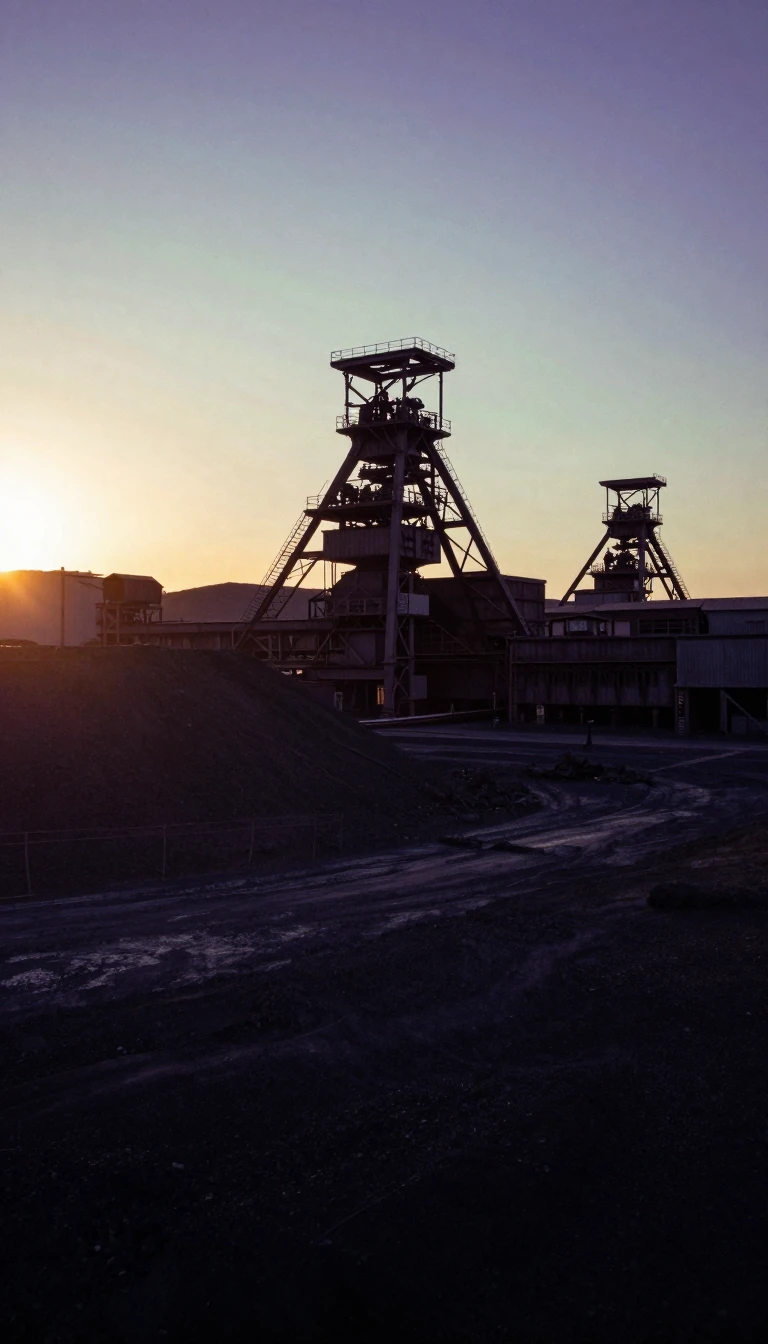
In short: In the heart of Canada's boreal forest lies Thompson, one of the country's largest fully planned communities. Built to fuel a global nickel boom, this isolated city serves as a masterclass in how resource-based economies can experience rapid growth followed by dramatic industrial shifts.
Thompson’s modern history began on February 4, 1956, when Inco Limited discovered a major ore body 32 km southwest of Moak Lake. By 1957, an agreement was reached to develop the area into a town and rail link. The city was named after Dr. John F. Thompson, Inco's chairman at the time. In 1961, a multitude of labourers finished building the site to align with the launch of an integrated nickel smelting-refining-mining facility—the Western Hemisphere's initial such operation.
The city experienced an explosive boom during the 1960s as global demand for nickel surged. Annual output reached more than 60,000 metric tonnes during 1970 and 1971, representing 11% of global finished nickel volume in 1962. However, this prosperity was volatile. When the Soviet Union gained access to the global market in 1970, a surplus caused world supply to exceed demand. In response, four mines were closed in 1971, leading to a massive layoff of 30% of Thompson's workforce.
Following these shocks and further price declines in 1977, the city's population began a steady decline from a peak estimated as high as 26,000 residents prior to the recession. Today, the economy has pivoted; while nickel remains significant, Thompson now functions as the "Hub of the North," providing essential healthcare, retail, and social services to surrounding communities in Census Divisions No. 22 and 23.
Despite its industrial roots, the city is defined by its subarctic environment. It sits on the Precambrian Canadian Shield where outdoor agriculture is impossible due to hardiness zones 1a and 1b. While it remains a hub for mining and aerospace testing—hosting a cold weather research centre with Pratt & Whitney Canada and Rolls-Royce—it also serves as a sanctuary for wildlife, including "Thompson Turkeys" (ravens) and boreal woodland caribou.
Opens the Intellect+ feed with this card first. Swipe up for the next one.
Sources
- Summary by Intellect · source: Thompson, Manitoba
- Also: Thompson | Northern Town, Mining Hub, Gateway City | Britannica
- Also: Wikidata — Thompson · CC0
To cite this card, link to https://intellectplus.co.uk/app/places-thompson-manitoba.
How we source, check and correct cards: Editorial standards.
General information, not professional advice. Spotted an error? Flag the card or see corrections and complaints.
Intellect Plus is a visual educational discovery platform for exploring fascinating facts and ideas. Brain Food, Not Brain Rot. What is Intellect Plus?
Related
More in Bodies of water · More in Countries & Cities · Latest · A–Z · All topics
