From Revolutionary War battleground to a dense Manhattan enclave, the evolution of Yorkville.
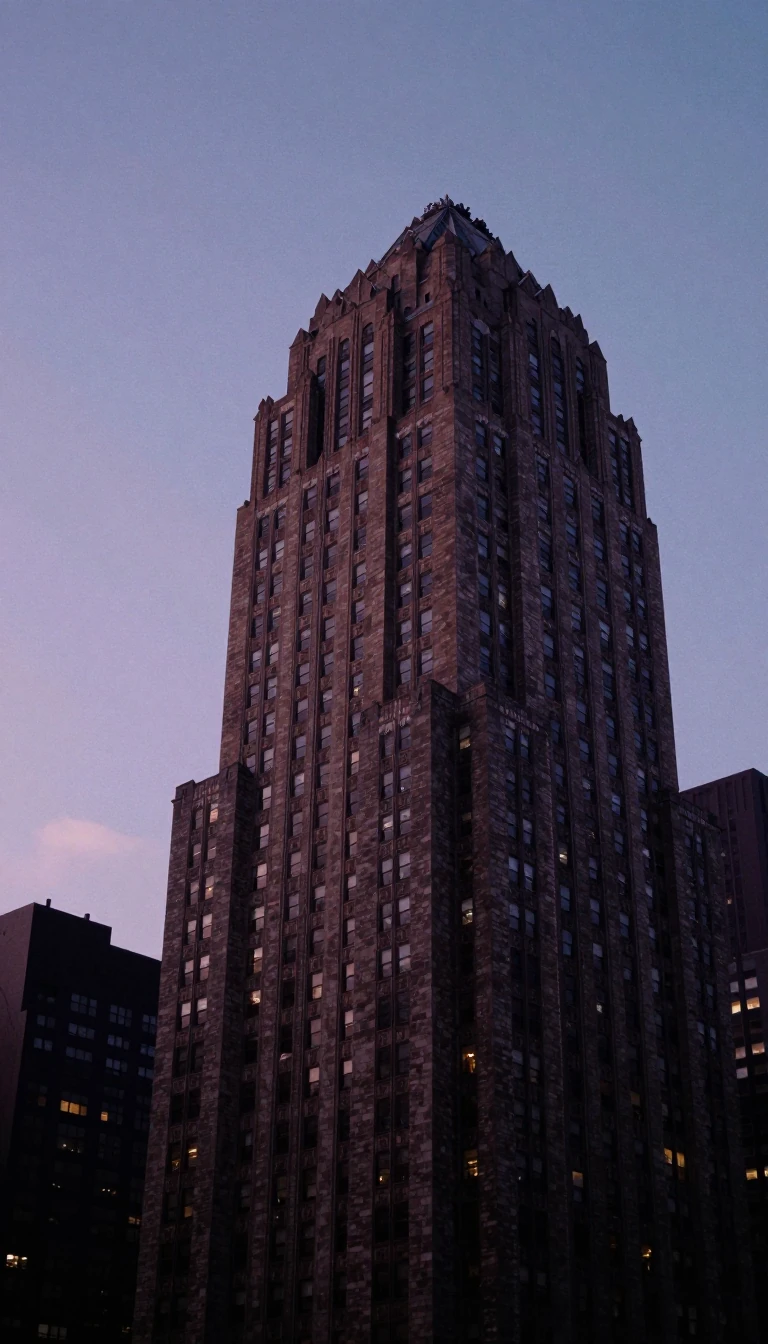
In short: Once a rural expanse of forests and streams, Yorkville transformed into a bustling immigrant hub before becoming one of the most densely populated neighborhoods in North America. Today, this Upper East Side district balances its historic legacy with modern high-rise living, serving as the official residence of New York City's mayor.
Yorkville's history is deeply tied to the military and industrial development of Manhattan. During the American Revolution, the area served as a strategic defensive position for George Washington’s Continental Army. Following their defeat at the Battle of Long Island in August 1776, the troops executed a disciplined retreat through the neighborhood, which ultimately facilitated their success at the Battle of Harlem Heights the following month. By the mid-19th century, the landscape shifted from farmland to a burgeoning transit corridor, spurred by the extension of the New York and Harlem Railroad and the introduction of horsecar lines.
The neighborhood gained its distinct character as a melting pot for European immigrants, particularly Germans, who settled there in large numbers throughout the 19th and early 20th centuries. By the 1930s, the area became a political flashpoint, hosting the headquarters of the German American Bund, a pro-Nazi organization that drew thousands to rallies before its dissolution in 1941. Despite this, the neighborhood also served as a sanctuary for refugees fleeing Nazi Germany and later, various communist regimes. Over time, the ethnic diversity that defined Yorkville began to fade, replaced by a more affluent, residential demographic as mansions and local institutions gave way to high-rise developments.
Modern Yorkville remains a dense, highly active part of Manhattan, with a 2020 population of 84,046 living within roughly 319 acres. The neighborhood is anchored by landmarks like Gracie Mansion, the mayor's official home, and Carl Schurz Park. Recent infrastructure projects, such as the expansion of the Second Avenue Subway completed in 2017, have further reshaped the area's real estate landscape. While the ethnic businesses of the past have largely vanished, the neighborhood maintains a unique identity, blending its historical roots with the high-income, urban lifestyle characteristic of the contemporary Upper East Side.
Opens the Intellect+ feed with this card first. Swipe up for the next one.
Sources
- Summary by Intellect · source: Yorkville, Manhattan
To cite this card, link to https://intellectplus.co.uk/app/culture-yorkville-manhattan.
How we source, check and correct cards: Editorial standards.
General information, not professional advice. Spotted an error? Flag the card or see corrections and complaints.
Intellect Plus is a visual educational discovery platform for exploring fascinating facts and ideas. Brain Food, Not Brain Rot. What is Intellect Plus?
Related
More in US culture · More in Cultures · Latest · A–Z · All topics
