The world's most influential mystical text might be a medieval forgery.
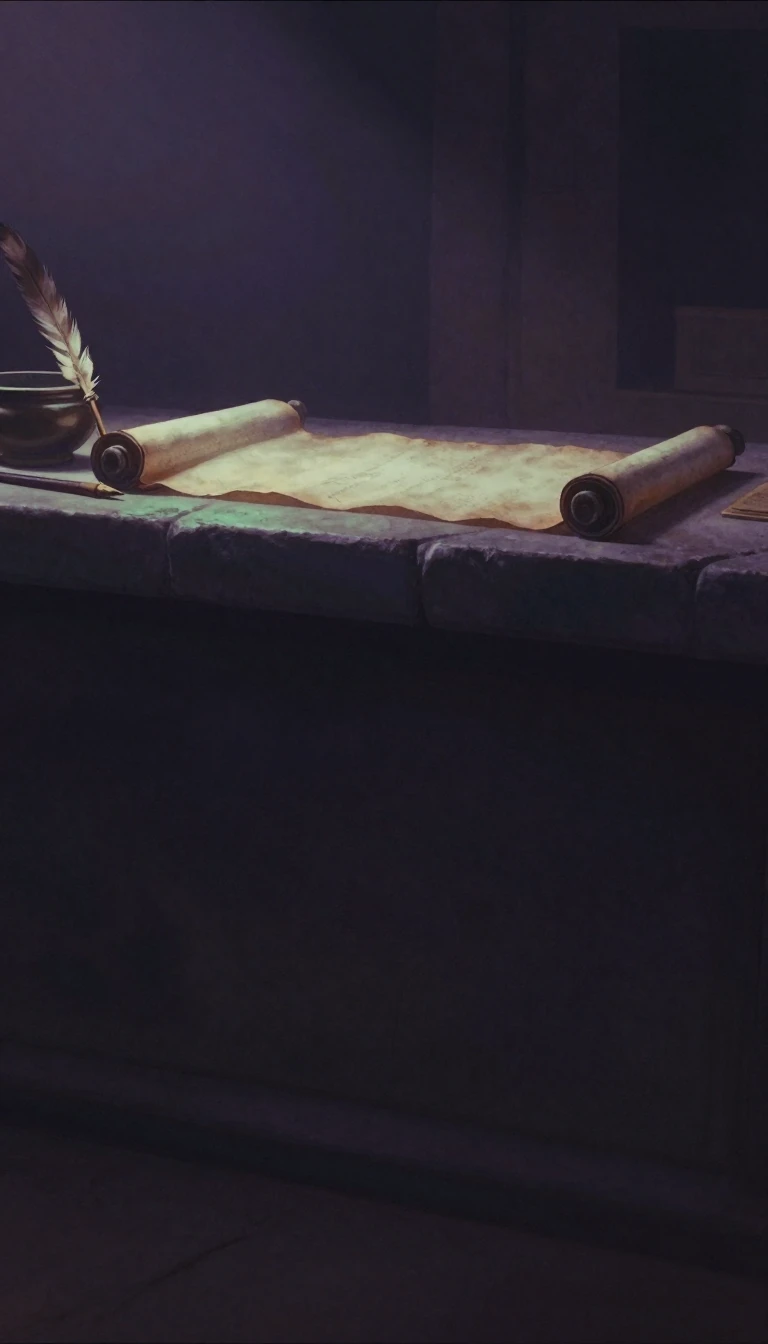
In short: For centuries, the Zohar has served as the cornerstone of Jewish mysticism, offering profound insights into the nature of God and the soul. Yet, modern scholars largely agree on a startling reality: the book may not be an ancient revelation, but a brilliant 13th-century literary construction.
The Zohar was first publicized in the late 1200s by Moses de León, who claimed it was a Tannaitic work from c. 100 CE authored by Shimon ben Yochai. However, most modern scholars believe de León—an infamous forger of other materials—wrote the text himself between 1280 and 1286. Evidence suggests he may have used an artificial Aramaic dialect, blending Babylonian Talmudic structures with medieval loanwords to create an aura of ancient mystery.
The debate over its authenticity has raged for centuries. Critics like Elia del Medigo argued that if the Zohar were truly a revelation from the 2nd century, it would have been mentioned in the Talmud and wouldn't contain references to later historical events or rabbis. Conversely, believers argued that ben Yochai transmitted his teachings orally for generations before they were finally committed to writing. By the 15th century, however, its authority was so great that even non-mystics invoked it to argue against the philosophical views of Maimonides.
The Zohar's enduring power lies in its radical theology: it declares man as the lord of creation whose immortality depends on morality, rather than intellectual development. Despite its disputed origins, it became a staple of Jewish life. Even luminaries like Solomon Luria and Joseph Karo accepted its authority while maintaining that it could not override established law. Today, it remains a masterpiece of mystical psychology, whether it was whispered in a cave in 100 CE or penned in a study in the 1280s.
The forgery is so sophisticated that early Kabbalists began imitating its 'pseudepigraphy' by ascribing contemporary statements to Zoharic sages. This cycle of imitation and authority highlights a unique cultural phenomenon: a work can be functionally sacred even if its historical pedigree is manufactured.
Opens the Intellect+ feed with this card first. Swipe up for the next one.
Sources
- Summary by Intellect · source: Zohar
To cite this card, link to https://intellectplus.co.uk/app/culture-zohar.
How we source, check and correct cards: Editorial standards.
General information, not professional advice. Spotted an error? Flag the card or see corrections and complaints.
Intellect Plus is a visual educational discovery platform for exploring fascinating facts and ideas. Brain Food, Not Brain Rot. What is Intellect Plus?
Related
More in Peoples & civilisations · More in Cultures · Latest · A–Z · All topics
