How a single Burgundian monastery became the spiritual powerhouse of medieval Western Christianity
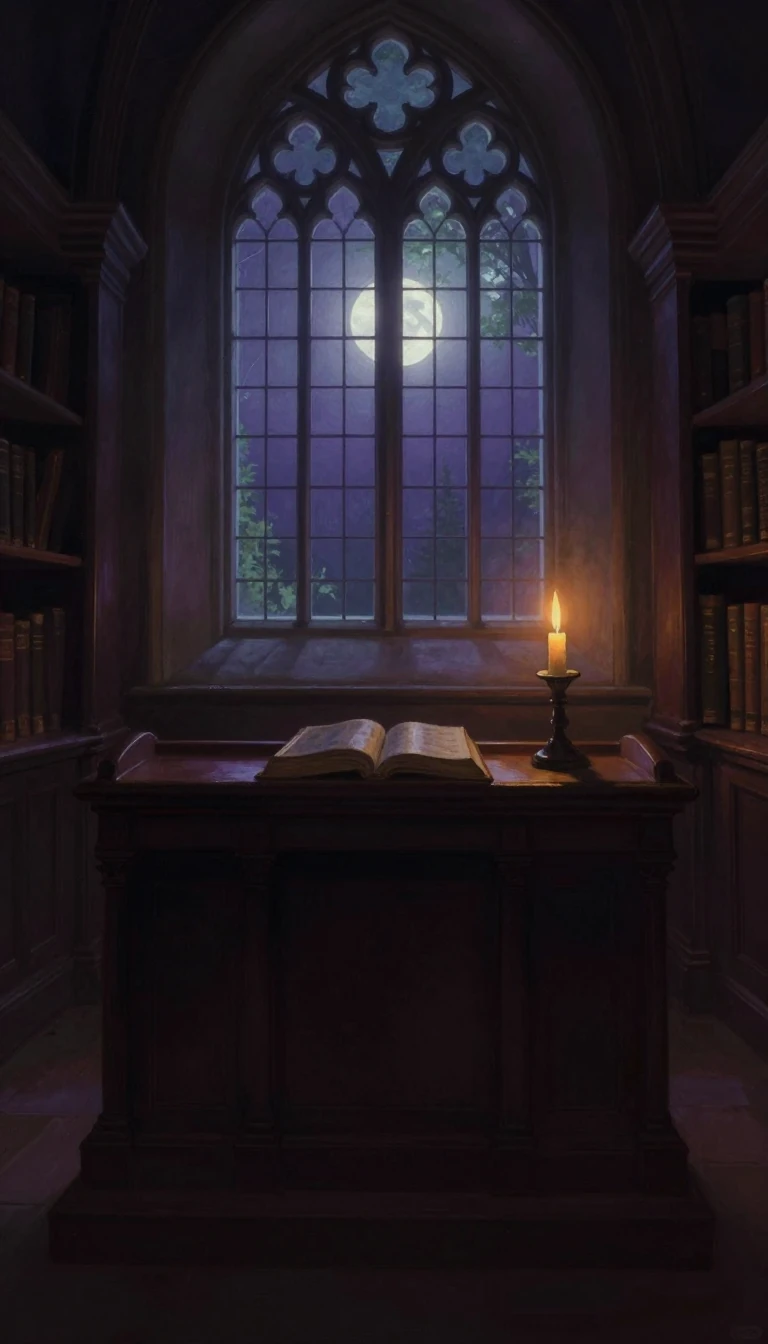
In short: Founded in 910, Cluny Abbey broke the mold of medieval monasticism. By answering only to the pope and enforcing strict Benedictine reforms, it grew into a massive, centralized network of over 1,400 dependencies. For centuries, this Burgundian giant stood as the undisputed center of religious life and architectural ambition.
Established by Duke William I of Aquitaine, Cluny Abbey was designed to escape the secular entanglements that plagued contemporary monasteries. By placing the abbey under the direct protection of Saints Peter and Paul—and by extension, the papacy—William ensured the institution remained independent from local lay and ecclesiastical authorities. This unique legal status allowed Cluny to become the epicenter of a reform movement that sought to restore the strict observance of the Benedictine Rule during an era of widespread monastic laxity.
The abbey’s influence expanded rapidly under a succession of capable leaders. Saint Odo, the second abbot, was instrumental in spreading these reforms, while later figures like Majolus and Odilo of Mercœur navigated complex political landscapes to secure further autonomy. By the time of Odilo’s death in 1049, the Cluniac network had grown to include 70 houses, eventually reaching a peak of approximately 1,400 affiliated establishments. This centralized structure, where all houses answered to the mother abbey, represented a radical departure from the fragmented monastic systems of the time.
Architecturally, Cluny was equally ambitious. Its Romanesque basilica, constructed between 1088 and 1130, was the largest church in the world until the completion of St. Peter’s Basilica in Rome. This grandeur reflected the abbey's status as the spiritual center of Western Christianity. However, the abbey’s prominence eventually waned; it suffered during the religious wars of the 16th century and was ultimately closed and largely destroyed during the French Revolution in 1790, leaving behind only a fraction of its former architectural glory.
Opens the Intellect+ feed with this card first. Swipe up for the next one.
Sources
- Summary by Intellect · source: Cluny Abbey | abbey, Cluny, France | Britannica
- Also: Cluny Abbey
To cite this card, link to https://intellectplus.co.uk/app/design-cluny-abbey.
How we source, check and correct cards: Editorial standards.
General information, not professional advice. Spotted an error? Flag the card or see corrections and complaints.
Intellect Plus is a visual educational discovery platform for exploring fascinating facts and ideas. Brain Food, Not Brain Rot. What is Intellect Plus?
Related
More in Architecture · More in Design · Latest · A–Z · All topics
