How a defeated army's siege engines became a world wonder
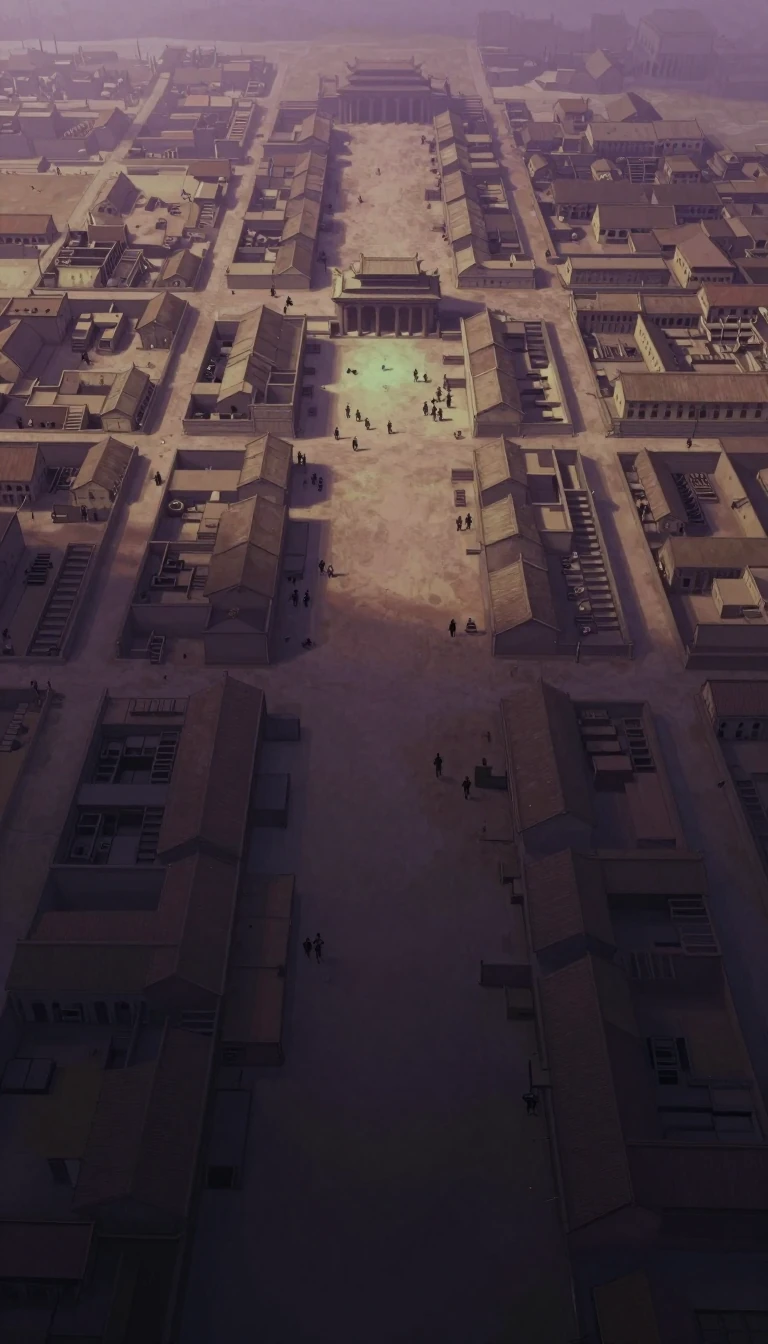
In short: The Colossus of Rhodes wasn't just an artistic feat; it was a trophy of war. To celebrate victory over Demetrius I of Macedon, the Rhodians repurposed his abandoned weapons into a bronze titan that stood as the tallest statue in the ancient world.
Construction began in 292 BC under the direction of Chares of Lindos, a sculptor trained by Lysippos—the man who created the 22-metre bronze statue of Zeus at Tarentum. The project was funded by the sale of siege equipment left behind by Demetrius I after he abandoned his year-long siege of Rhodes in 304 BC. This transition from instruments of destruction to a monument for the sun god Helios serves as a profound example of cultural recycling.
The engineering was as ambitious as its scale. The statue stood approximately 70 cubits (about 32 to 33 metres) tall on a 15-metre-high white marble pedestal. To achieve this height, engineers used iron tie bars reinforced with bronze plates to form the 'skin.' As construction progressed, the interior was filled with stone blocks for weight and stability. Some accounts suggest that even the abandoned siege towers from the conflict may have been repurposed as scaffolding during the build.
The Colossus fell during an earthquake around 226 BC. While popular mythology often depicts it straddling the harbor entrance, historians note this is a medieval invention; it was technically impossible for the statue to span the opening. The ruins remained until 654 CE, when Arabian forces raided the island and sold the bronze scrap—reportedly totaling over 900 camel loads. Today, its legacy persists in modern proposals to recreate the monument at Rhodes Harbour.
In a different vein of architectural preservation, the Art Institute of Chicago houses 'The Thorne Rooms.' Created by Narcissa Niblack Thorne around 1940, these miniatures use a 1:12 scale to preserve the design history of the 1820s. While the Colossus represents the monumental and public, Thorne's work captures the intimate and domestic, meticulously recreating Rhode Island parlors with historical accuracy.
Opens the Intellect+ feed with this card first. Swipe up for the next one.
Sources
- Summary by Intellect · source: A11: Rhode Island Parlor, c. 1820
- Also: Colossus of Rhodes
- Also: Colossus of Rhodes | Description, Location, & Facts | Britannica
To cite this card, link to https://intellectplus.co.uk/app/design-colossus-of-rhodes.
How we source, check and correct cards: Editorial standards.
General information, not professional advice. Spotted an error? Flag the card or see corrections and complaints.
Intellect Plus is a visual educational discovery platform for exploring fascinating facts and ideas. Brain Food, Not Brain Rot. What is Intellect Plus?
Related
More in Architecture · More in Design · Latest · A–Z · All topics
