 Intellect Plus
Architecture
136 cards. Each one is a 40-second story with a five-minute read behind it.
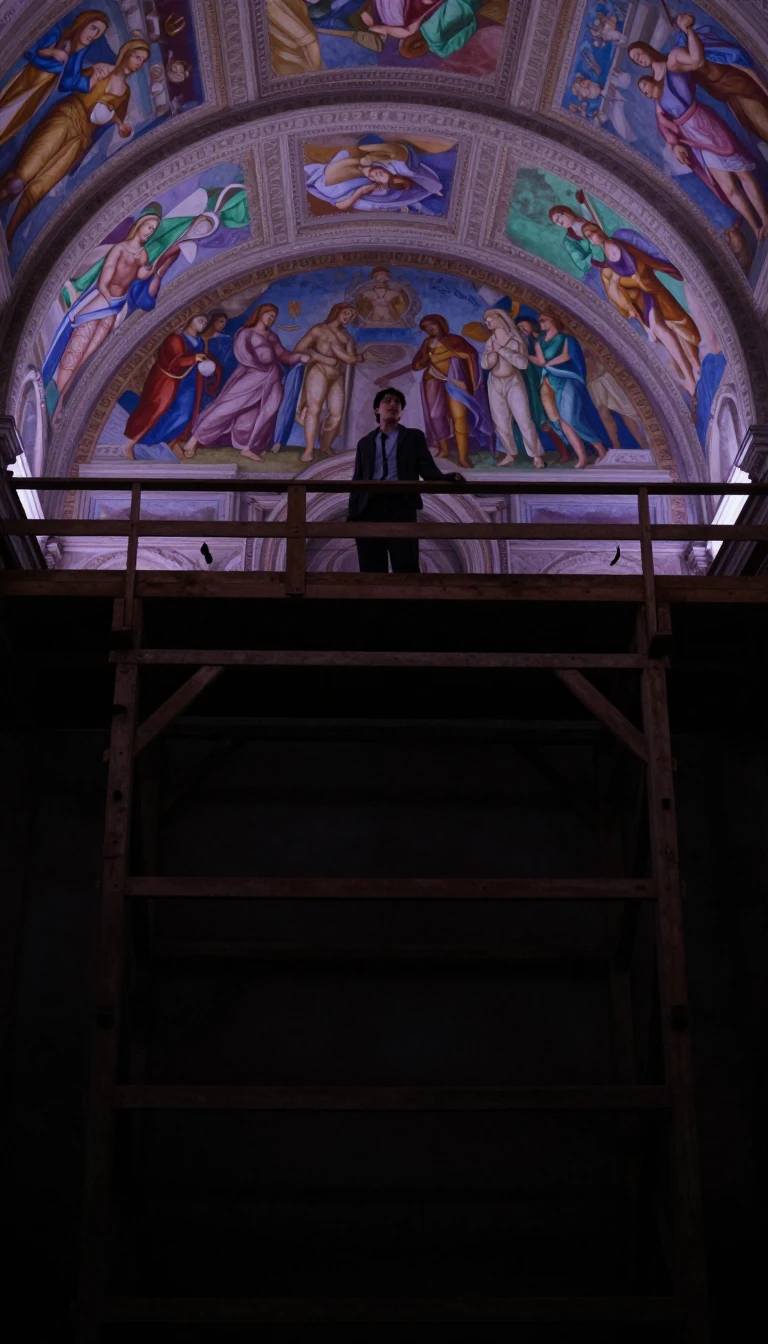 How a royal mausoleum uses hanging stone pendants to achieve architectural structural stabilityThe Henry VII Chapel is a masterpiece of Perpendicular Gothic design, famous for its complex ceiling. Beyond its aesthetic grandeur, the chapel utilizes innovative stone pendants …
 The Architecture of Sacrifice: How a Tree Became a Living Defense SystemIn the world of Pokémon, the Tree of Beginning isn't just a landmark; it is a biological machine. When human interference triggers its automated defenses, the structure reacts lik…
 The mathematical tiebreaker that crowned a pop masterpieceIn 2001, a Billboard chart tie-break descended into a data-driven showdown. When two songs shared the exact same number of radio stations, the industry had to look deeper into the…
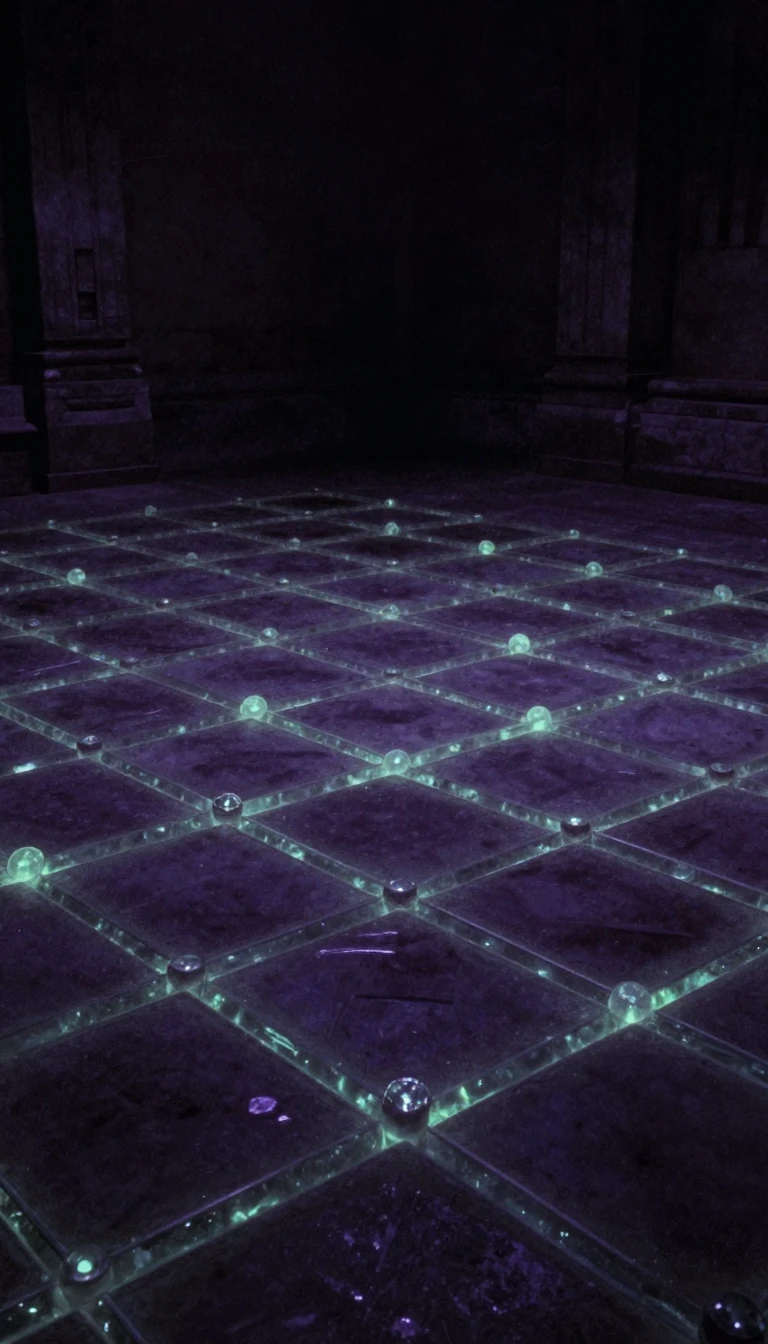 How a Moorish 'polished stone' became a global architectural obsessionThe word azulejo means tile in both Spanish and Portuguese, but its soul is much older. Born from Arabic traditions to imitate Roman mosaics, these ceramic panels evolved from geo…
 How a single Republic spans the globe through complex layers of territoryFrom the streets of Paris to the Indian Ocean, France is far more than a European nation. Its administrative architecture is a dense, multi-layered web of regions, departments, an…
 Why did 18th-century thinkers mock the antiquarian as a man lost in a maze?Long before archaeology became a rigorous science, the antiquarian was a curious figure obsessed with the physical remnants of the past. While some saw them as vital keepers of hi…
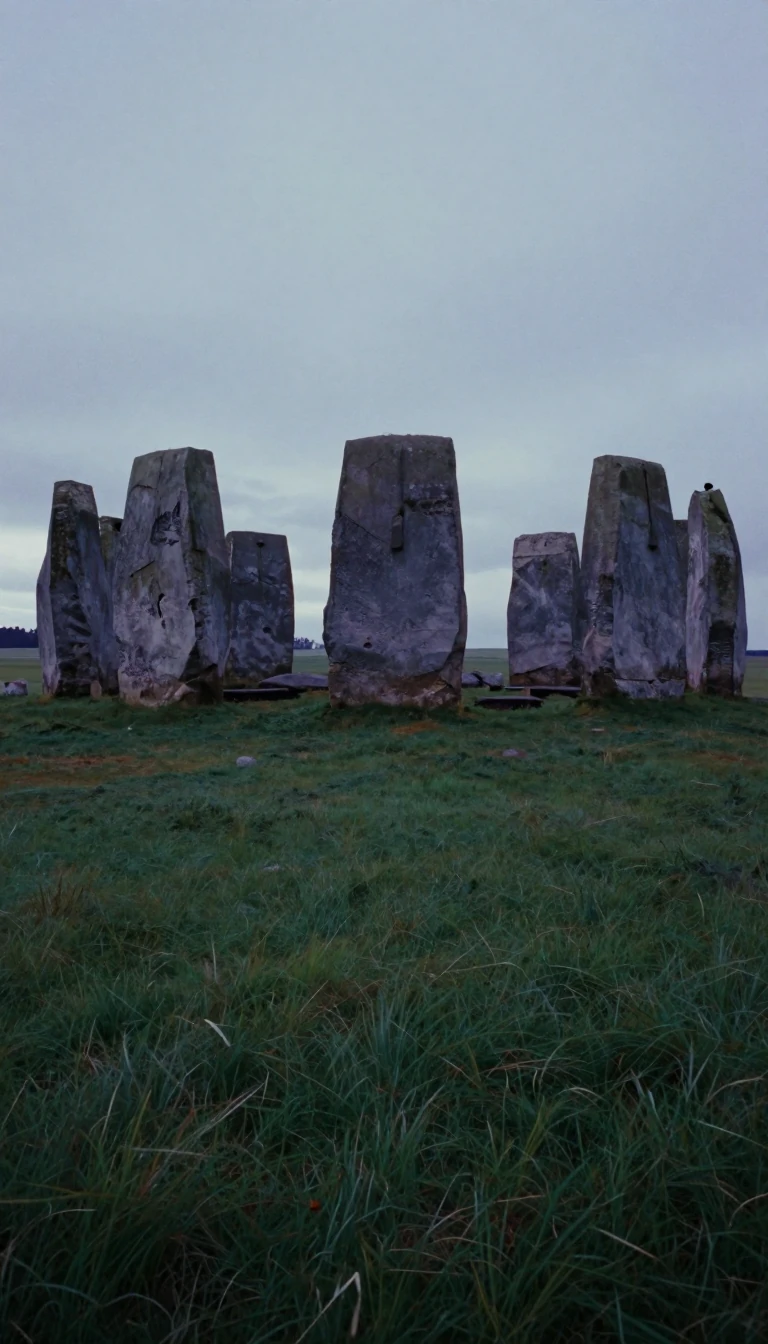 Is the world's largest stone circle a ritual gateway between the living and dead?Avebury is a Neolithic masterpiece of engineering, featuring the largest megalithic stone circle on Earth. Built over centuries, its massive earthen banks and towering sarsen ston…
 Is the sacred Black Stone of the Kaaba a fallen star or something else?Embedded in the eastern corner of the Kaaba in Mecca, the Black Stone is a revered relic with origins shrouded in mystery. While often described as a meteorite, this fragmented, p…
 Why Eurasian nomads left behind almost no architecture for historians to study todayThe vast Eurasian Steppe was home to powerful nomadic confederations for millennia, yet they left few permanent structures. Because their survival depended on constant mobility to…
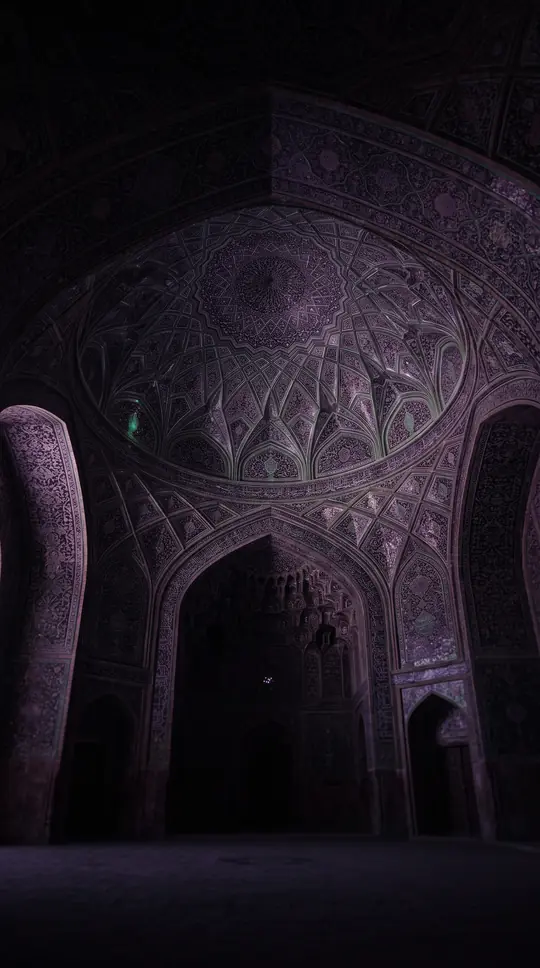 Built on the Atlantic, this Moroccan landmark features a roof that opens to stars.The Hassan II Mosque in Casablanca is a feat of modern engineering and traditional artistry. Perched partially over the ocean, it boasts the world's second-tallest minaret and a r…
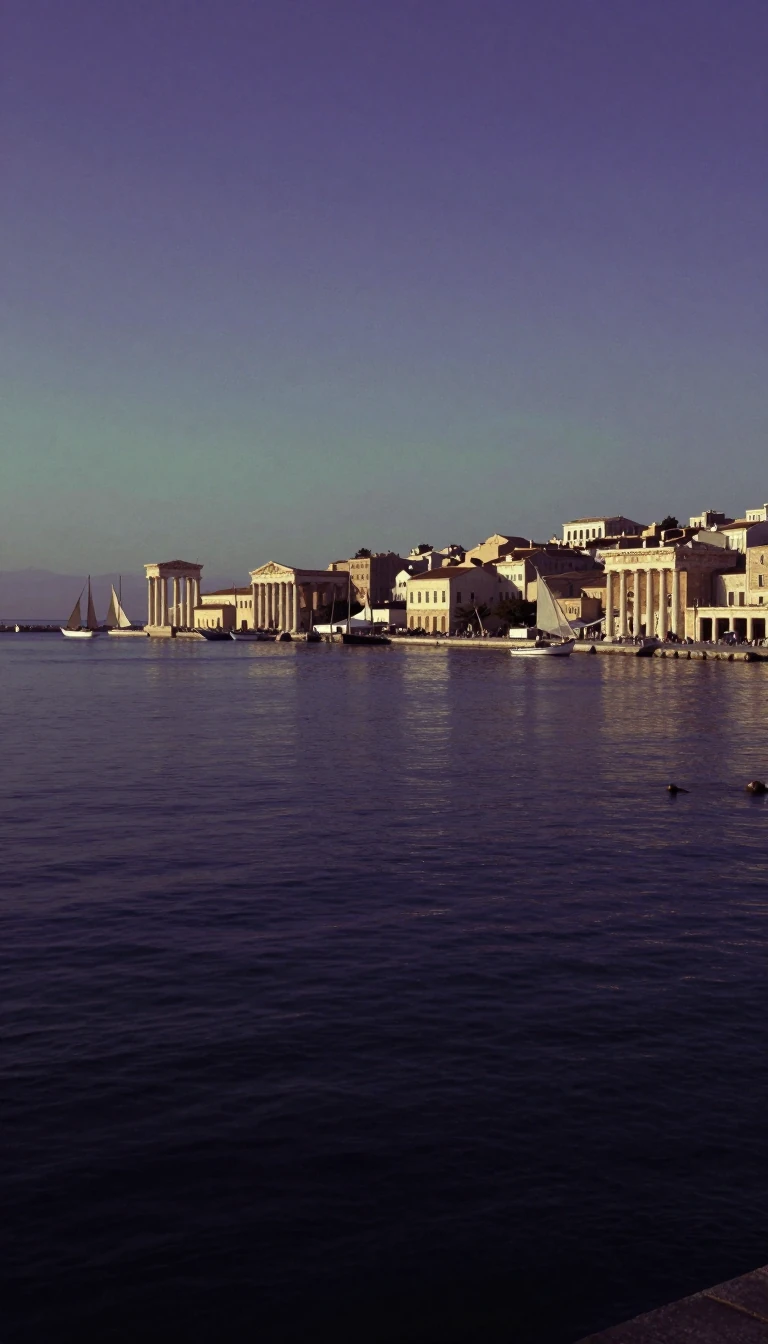 Why Hindu temples are built as physical bridges between the human and divine realmsA Hindu temple is far more than a building; it is a sacred home designed to bridge the gap between the earthly and the divine. By housing a central image of a deity, these structu…
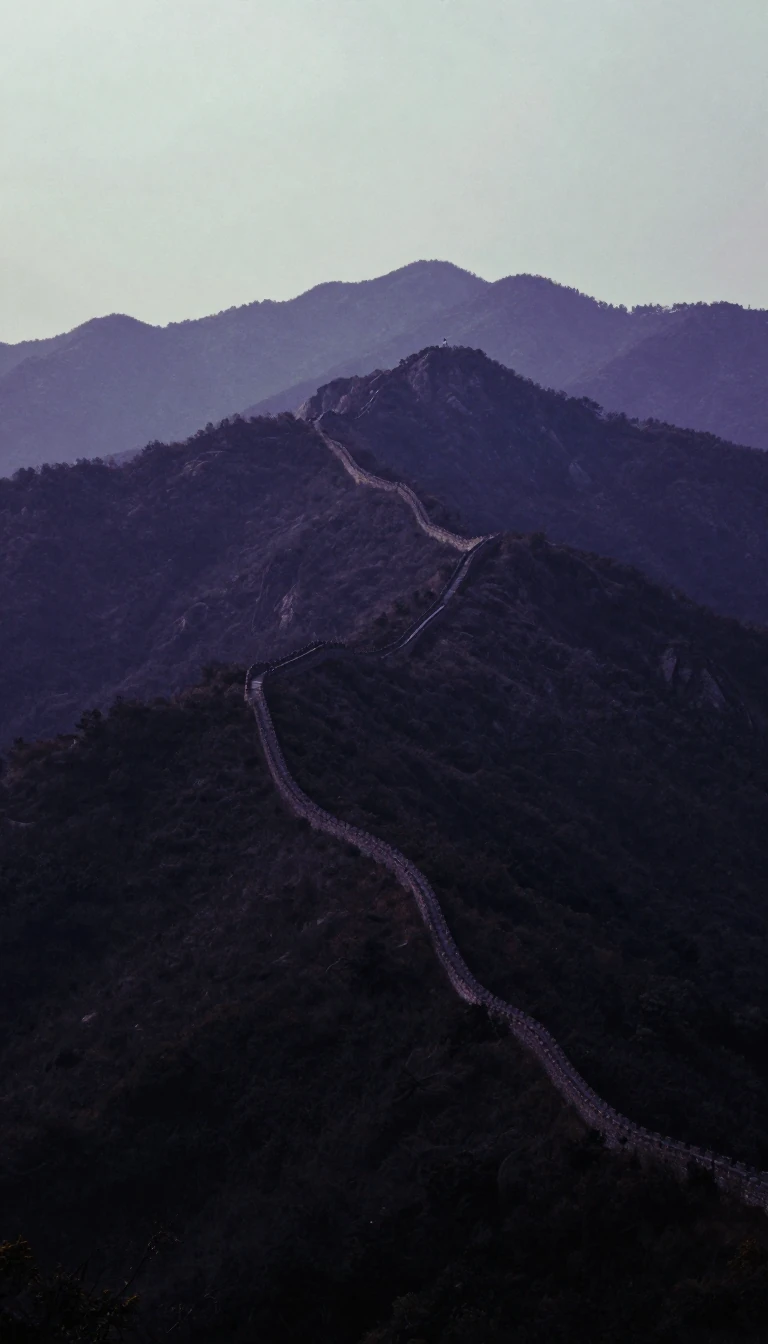 The Great Wall of China is not a single structure but a complex systemContrary to popular belief, the Great Wall is not one continuous barrier. It is a vast network of disparate fortifications, parallel walls, and natural features built over two mil…
 In 2007, the world voted for seven new wonders, but not everyone was cheering.A Swiss foundation launched a global campaign in 2000 to update the ancient list of wonders. Over 100 million votes were cast, resulting in a diverse selection of architectural ma…
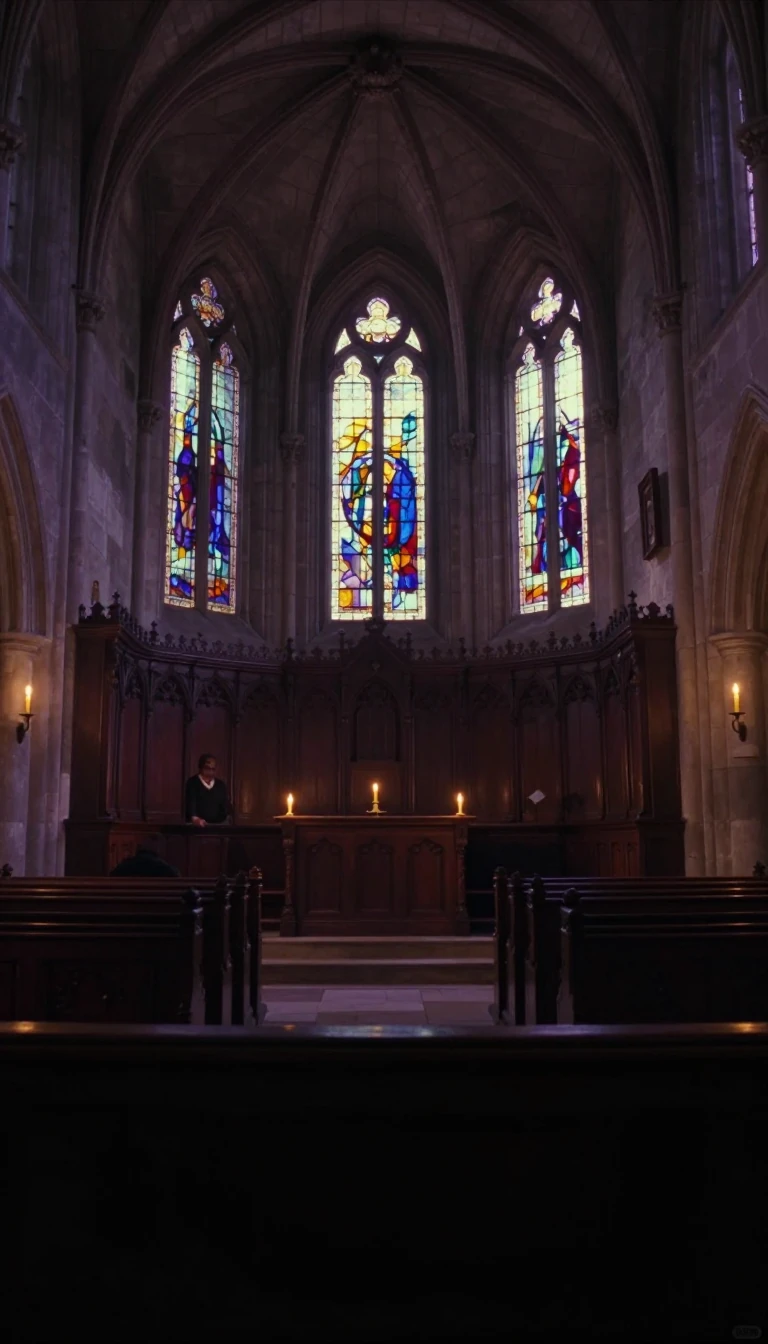 Why Canada’s Parliament Hill was built to defy the style of Washington, D.C.Perched on a limestone bluff above the Ottawa River, Canada’s Parliament Hill is an architectural statement of national identity. Its Gothic Revival design was chosen specifically…
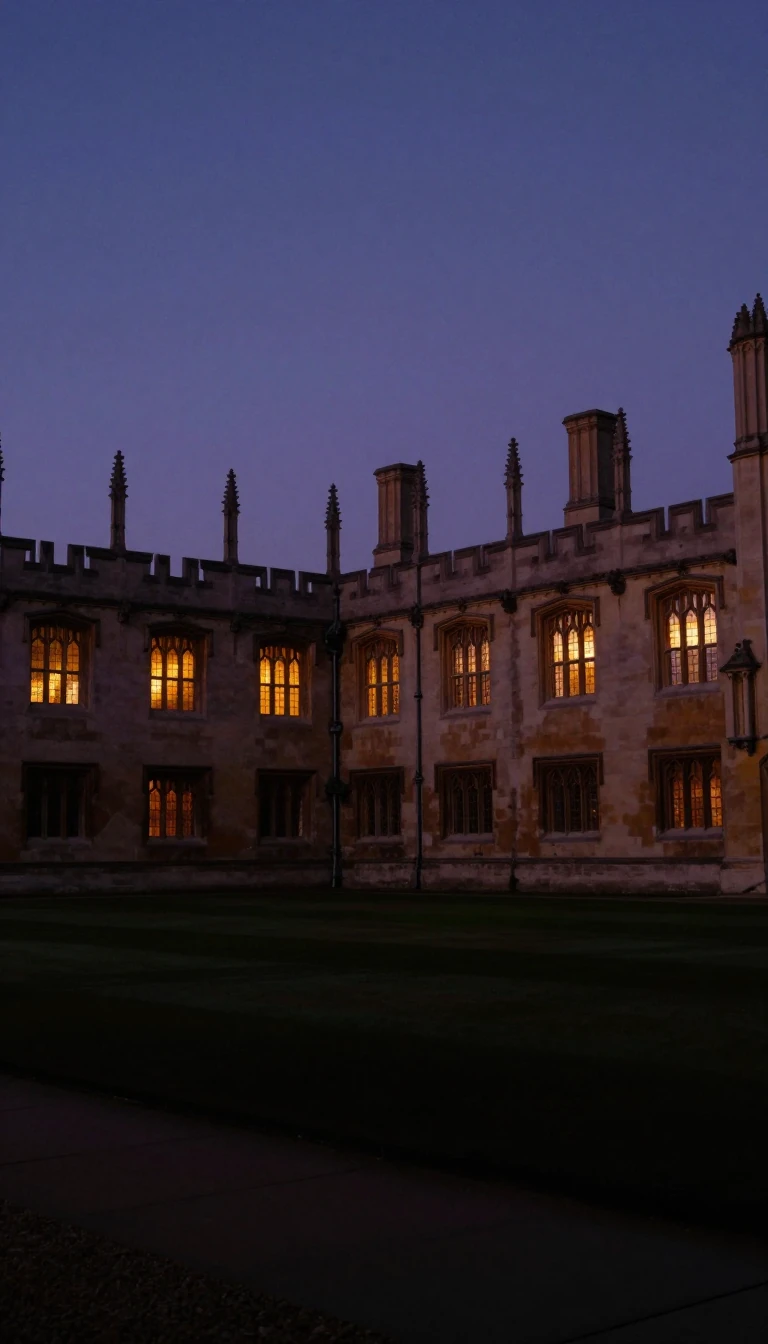 Canberra's Parliament House is a masterpiece of symbolic architecture buried beneath a hill.Designed to emerge from the earth rather than loom over the people, Australia's Parliament House features grass-covered roofs that allow citizens to walk above their representativ…
 Tokyo's oldest temple is a masterclass in resilience, rising from fire for 1,400 years.Sensō-ji, Tokyo's most significant Buddhist site, has survived centuries of fire, war, and earthquakes. From its legendary 7th-century origins to its modern reconstruction in flam…
- Silbury Hill is a massive prehistoric feat that may have been built for the process.Standing nearly 40 metres tall, Silbury Hill is Europe’s largest prehistoric man-made mound. While its exact purpose remains a mystery, recent research suggests that the act of co…
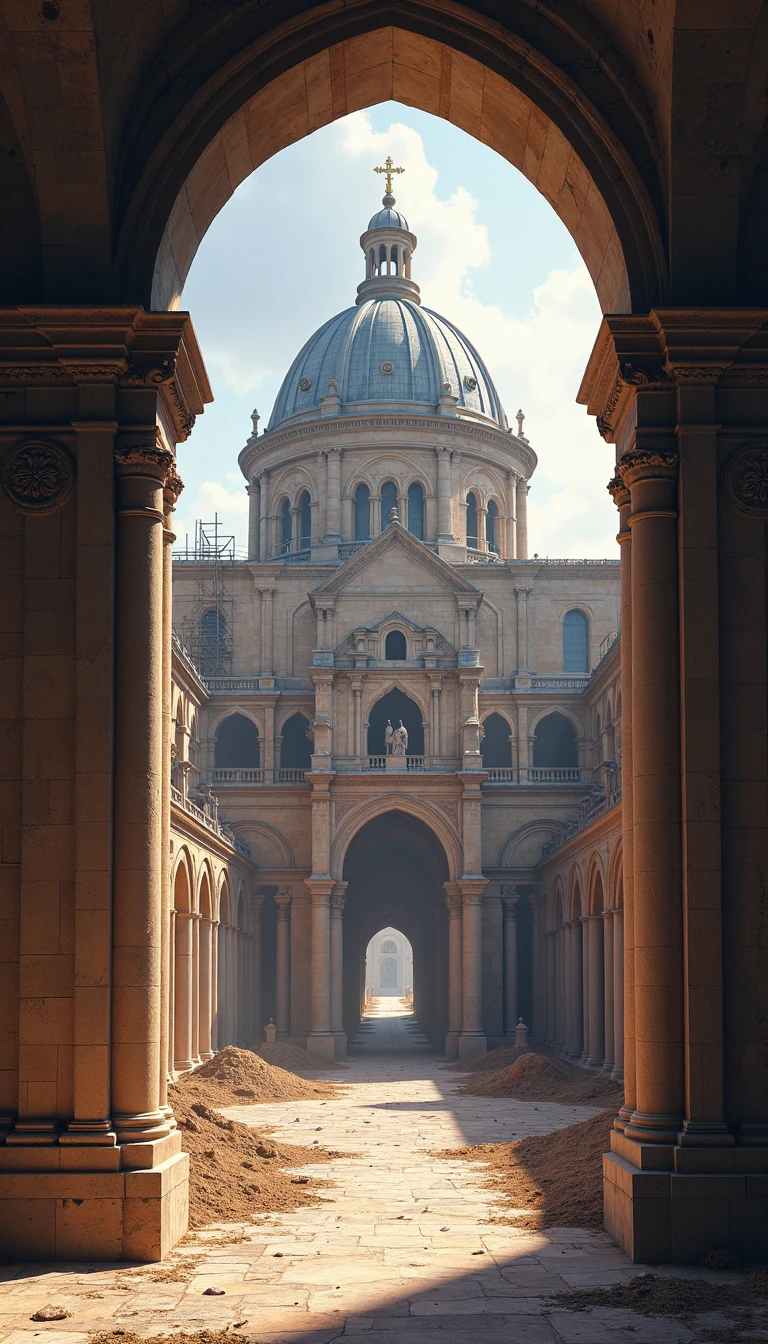 Why medieval architects pushed stone to its breaking point with the soaring church spireThe spire is more than a decorative peak; it is a structural marvel born from the Gothic desire to reach toward the heavens. From the delicate, timber-framed flèche to the massive…
- How Did a Temple Survive Collapse, War, and Time Itself?Tōdai-ji, a site of immense spiritual and historical weight, has been rebuilt, reinforced, and restored countless times. Its survival is a testament not only to faith but to compl…
 How Did a Banker's Palace Become a Renaissance Powerhouse?The Palazzo Pitti began as a private residence for a banker, but its evolution reflects centuries of shifting power. From its initial construction to its role in royal courts, its…
- How Did Ancient Chinese Design Shape Japan's Oldest Wooden Marvels?The surviving structures at Hōryū-ji showcase a remarkable architectural synthesis. These early Buddhist monuments blend Chinese structural principles with unique Japanese adaptat…
 From Neolithic settlements to freeways: How human needs shape our world.The concept of the built environment encompasses far more than just buildings. It is a dynamic interplay between physical structures, human activity, and deep societal needs. Unde…
- From Relics to Pyramids: How Buddhism Shaped Global ArchitectureBuddhist architectural forms developed across continents, adapting profoundly to local materials and belief systems. From the initial veneration of relics in India to massive mand…
 How a Fortress's Name Shifted From Kurds to Knights to Global IconThe very name of Krak des Chevaliers masks a complex history of cultural appropriation and strategic importance. From its initial Kurdish garrisoning to its association with the K…
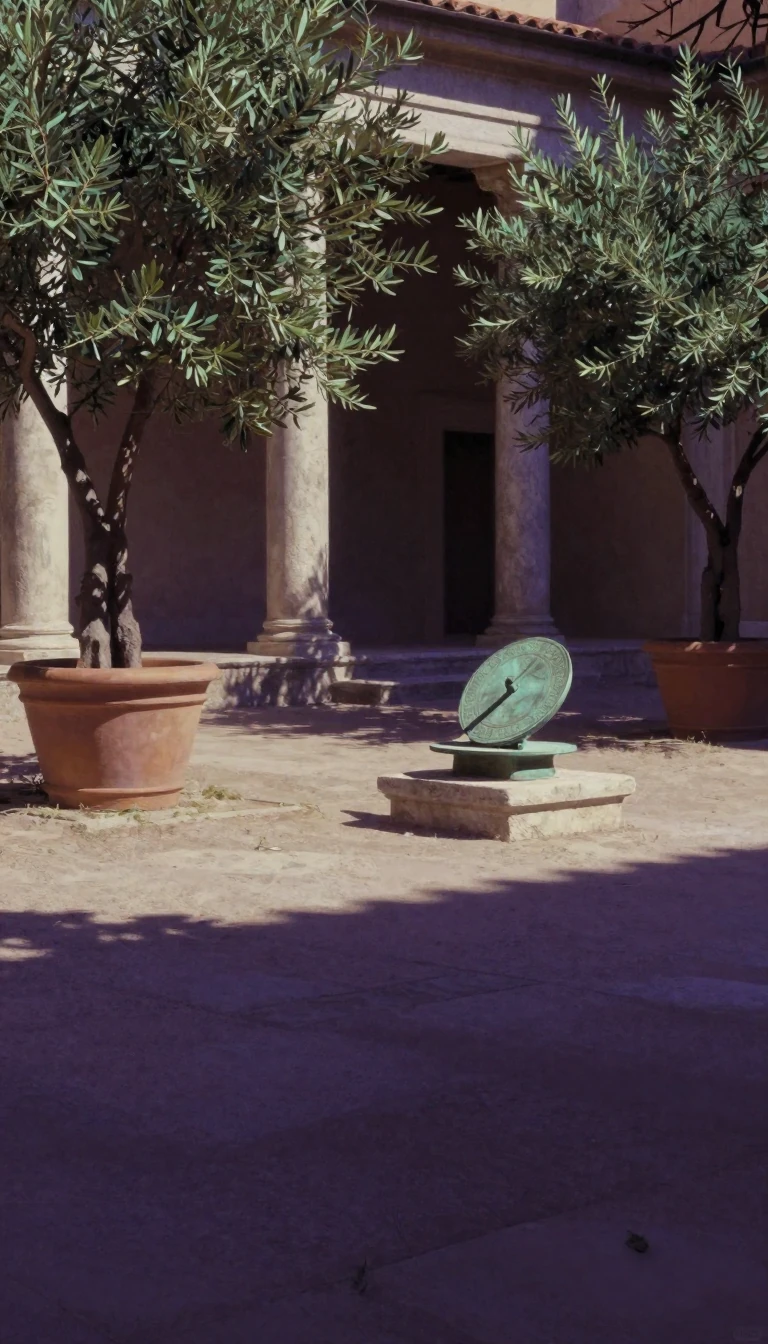 The Baroque masterpiece that grew from an ancient Roman water sourceStanding 26.3 metres high, the Trevi Fountain is the world's largest Baroque fountain. While it appears as a seamless monument of stone and spray, it is actually the terminal poin…
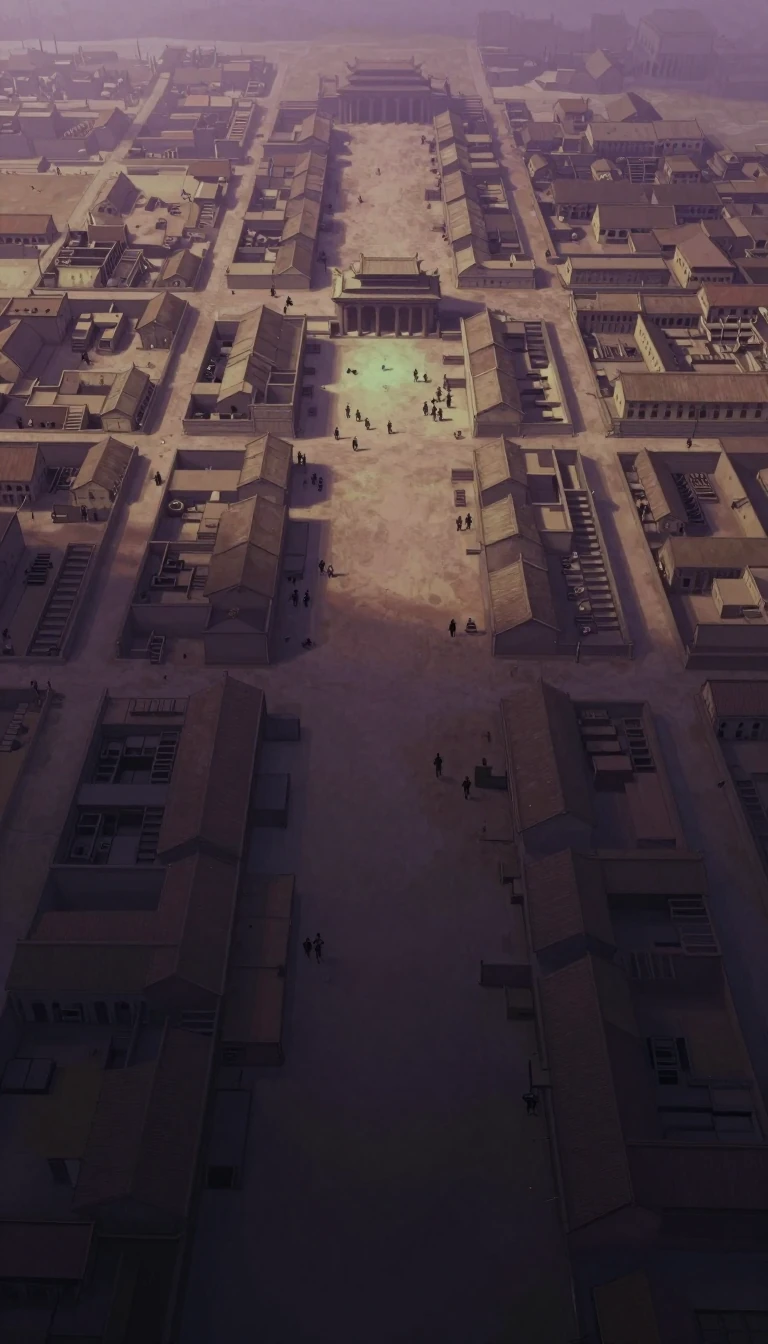 The colossal Statue of Zeus at Olympia was so large it threatened to unroof its temple.Crafted by the legendary sculptor Phidias, this chryselephantine masterpiece stood nearly 12 meters tall. It was a marvel of the ancient world, designed to inspire awe in every vi…
 How a simple pack of cigarettes inspired the world's most famous bundled skyscraperWhen architects needed to design a massive headquarters for a retail giant, they struggled to balance large floor plates with tenant needs. The solution arrived during a meeting w…
 A Tokyo shrine for the war dead that became a flashpoint for international diplomacy.Founded in 1869 to honor those who died serving the Emperor, Yasukuni Shrine now holds the names of over 2.4 million people. Yet, its inclusion of convicted war criminals has tran…
 Behind the red walls of Beijing lies a former imperial garden turned power center.Zhongnanhai, the exclusive compound adjacent to the Forbidden City, serves as the nerve center for China's leadership. Once a Ming dynasty retreat, this landscape of lakes and pav…
 A black granite wound in the earth that transformed how we remember war.Dedicated in 1982, the Vietnam Veterans Memorial challenged traditional monument design by replacing heroic statues with a minimalist, sunken wall. Architect Maya Lin created a re…
- Villa La Rotonda: A Renaissance Masterpiece Designed to Harmonize Symmetry with a Sloping LandscapeAndrea Palladio’s iconic Villa La Rotonda is a triumph of mathematical precision, yet its perfect symmetry is a clever illusion. By subtly adjusting its facades to match the surro…
 Beyond the Battlefield: The Watchtower as a Symbol of Control and Cultural MemoryFrom the ancient stone qasaba of the Asir mountains to the modern flak towers of World War II, the watchtower has served as a sentinel for civilizations. While these structures on…
- The Cathedral of Commerce: How a Five-and-Dime King Built a Gothic SkyscraperWhen F. W. Woolworth commissioned his headquarters in 1910, he aimed for a monument to his retail empire. The result was a 792-foot Neo-Gothic marvel that reigned as the world's t…
 The structural evolution of the vault: from heavy walls to glass skinsFor millennia, architects were trapped by the weight of their own ceilings. To prevent stone roofs from collapsing, builders had to use massive, windowless walls. But a series of …
- The Great Mosque of Damascus stands on a site of millennia-old spiritual devotion.Before it became the earliest surviving stone mosque, this Damascus landmark served as a temple to Jupiter and a Christian cathedral. Built by the Umayyad Caliph al-Walid I betwee…
 The world's largest clock tower stands where an 18th-century Ottoman fortress once watched over Mecca.Rising 601 meters above the Great Mosque of Mecca, the Clock Towers complex is a feat of modern engineering. Featuring the world's largest clock faces and a massive golden crescen…
 The skyline is a city's unique physical fingerprintNo two skylines are identical, making them perfect visual shorthand for location. From the competing towers of medieval Italy to modern glass skyscrapers, these silhouettes repres…
- Why Shanghai’s most famous waterfront is a living museum of global financial ambitionThe Bund is more than a scenic promenade; it is a mile-long architectural timeline of 20th-century power. Once the epicenter of foreign trade and banking in China, this collection…
- Why do churches reach for the sky with those towering, pointed steeples?Beyond their aesthetic presence, steeples function as architectural metaphors designed to direct the human gaze toward the divine. These structures, which evolved from modest, det…
 Why Manchester and the Vatican share a name but offer radically different urban experiences.St. Peter's Square is a name shared by two of the world's most distinct urban spaces. One is a masterpiece of Baroque theater in Rome, designed to embrace crowds in maternal arms.…
 Sustainable architecture is evolving from simple energy efficiency into a broader cultural philosophy.Modern sustainable design is moving beyond technical green gadgets to address humanity's deep relationship with nature. While reducing carbon emissions remains critical, architect…
 Why does the heart of modern Istanbul mean division in Arabic?Taksim Square is the bustling center of Istanbul, yet its name reveals a forgotten history as a water distribution hub. Today, this iconic plaza serves as a complex intersection o…
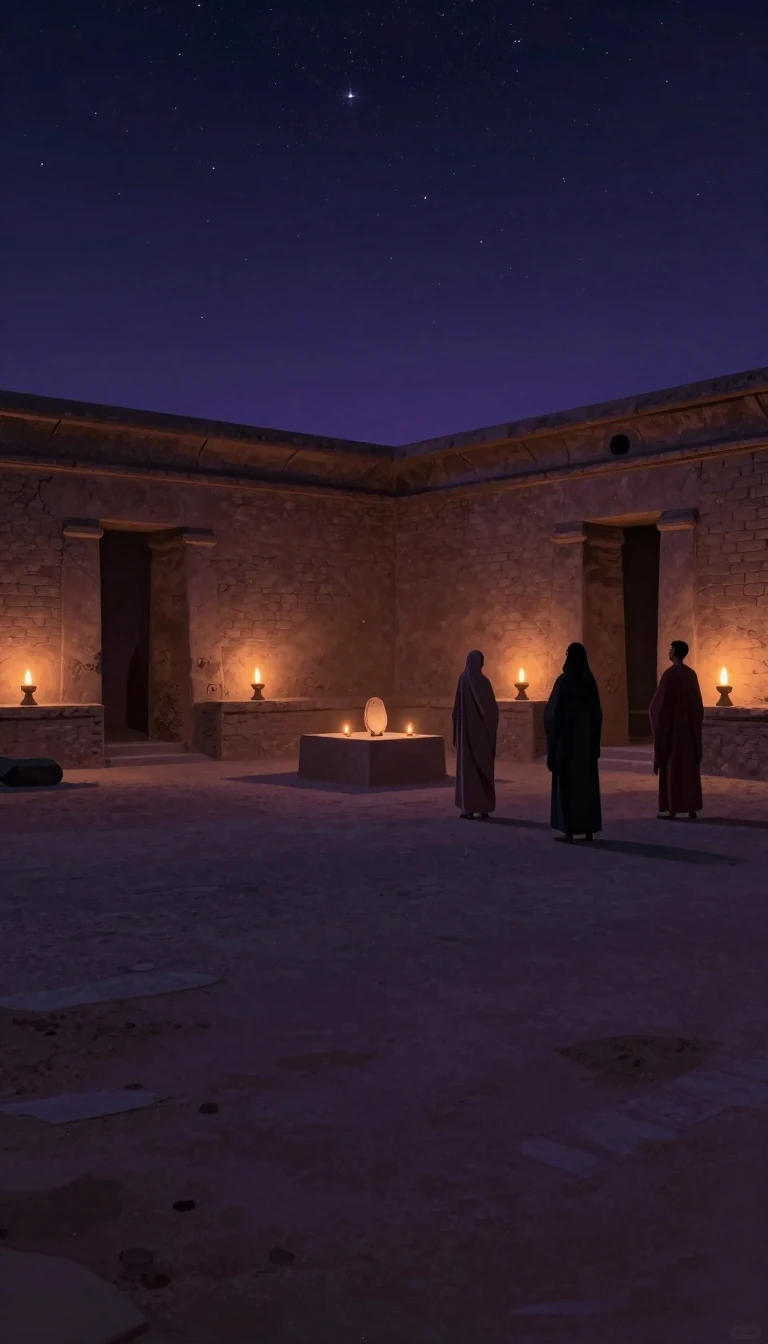 The Temple of Confucius: A Two-Millennium Architectural Evolution in QufuIn the birthplace of China's most influential philosopher, a sprawling complex has evolved over 2,000 years. From a humble family home to a monumental imperial-style site, this ar…
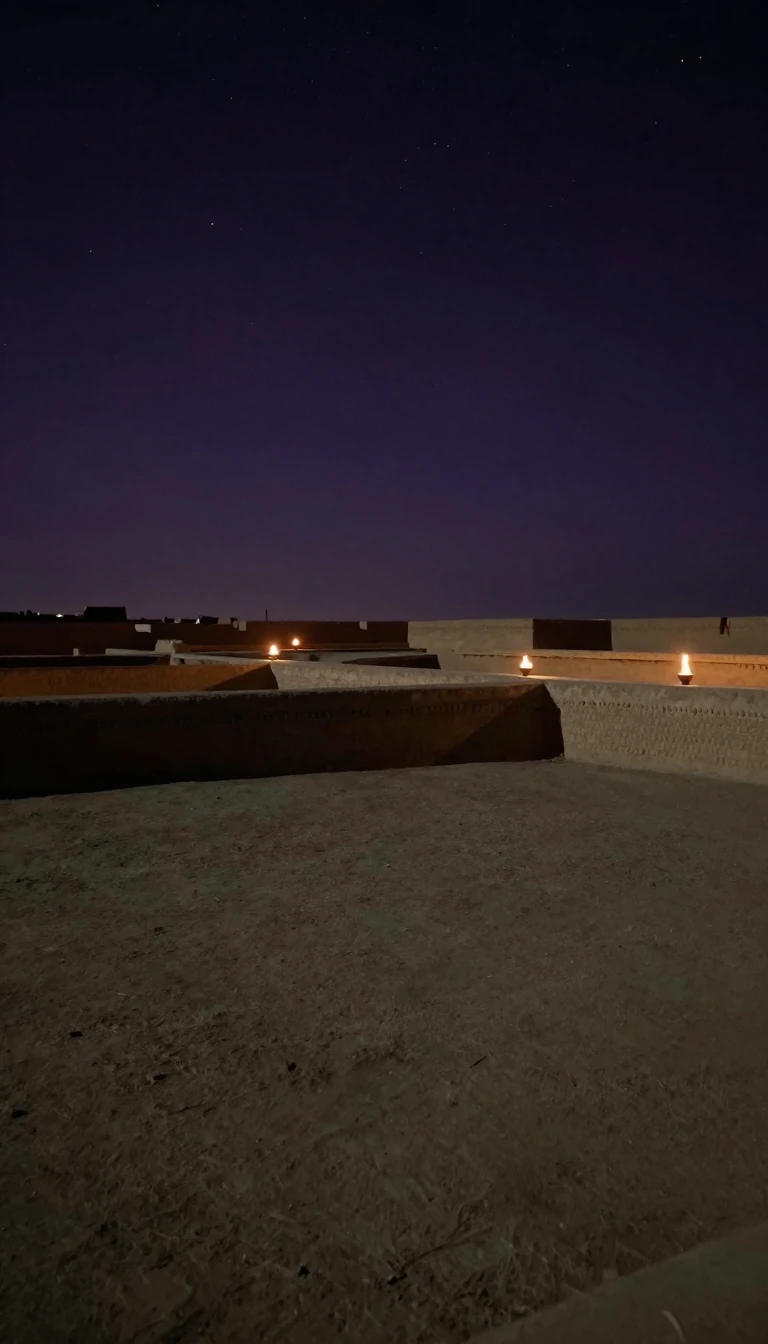 From ancient temples to modern rooftops, the terrace remains architecture's most versatile outdoor stage.Defined as an open, flat, and raised space, the terrace has evolved from prehistoric agricultural necessity to a sophisticated architectural tool. Whether serving as a monumental …
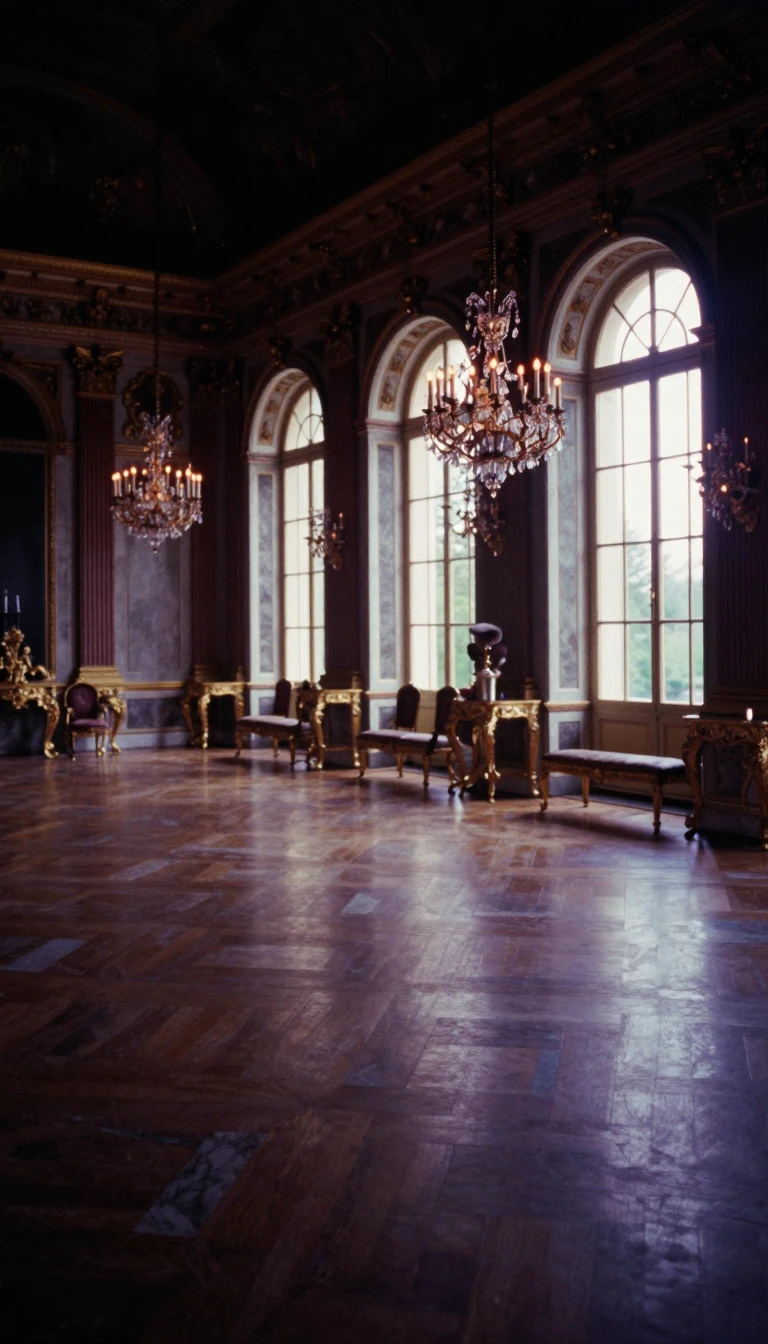 The Prussian King built a palace designed to die with himForget the grand displays of imperial power. In 1745, Frederick the Great began constructing Sanssouci—not as a seat of government, but as a private, single-storey escape. This 'c…
 Why are centuries of historical Sikh architecture vanishing under the guise of modern renovation?Sikh architecture, once defined by humble mud-brick construction and structural harmony, is facing an existential crisis. While the faith’s history is etched into gurdwaras and fo…
 Why a royal hunting lodge became the world's center for time and navigationPerched on a hill once used by Tudor monarchs, the Royal Observatory in Greenwich was built to solve the era's most pressing scientific puzzle: longitude. By mapping the heavens, …
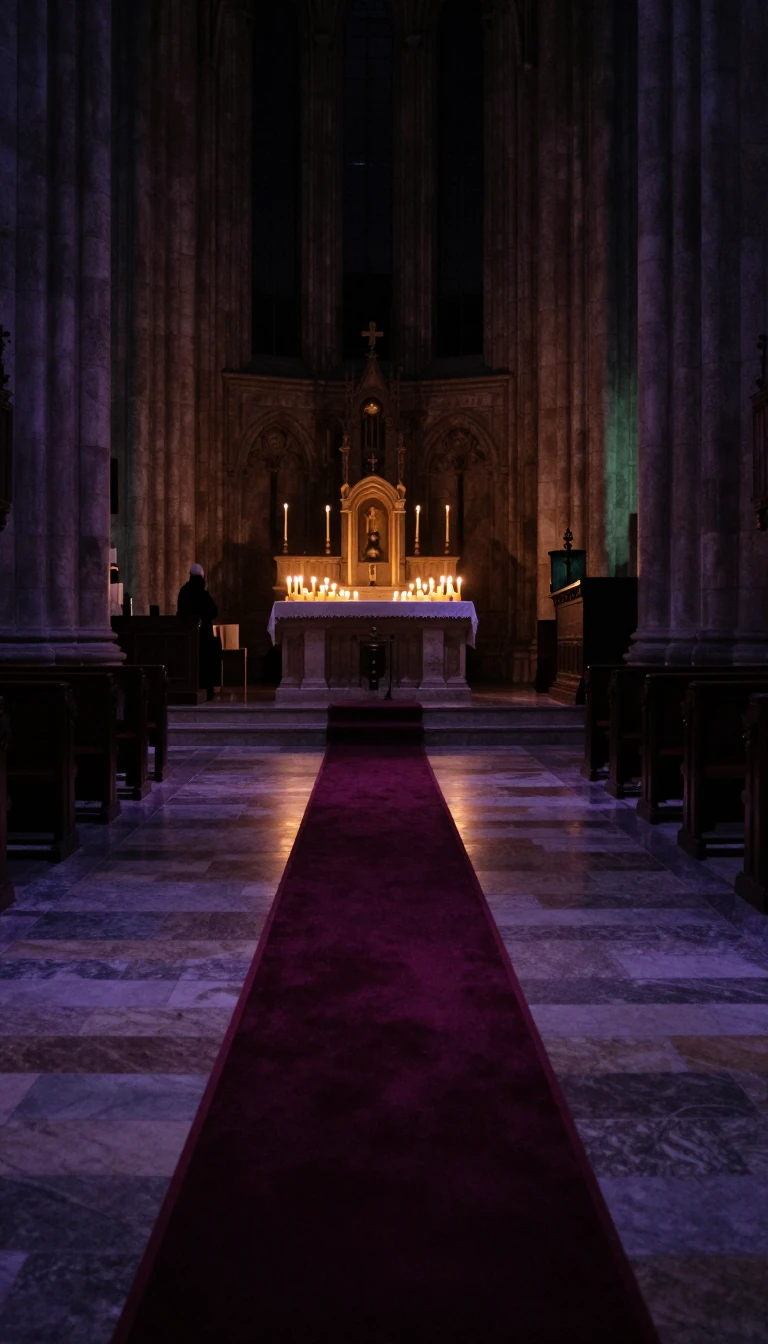 A Neo-Byzantine monument built to honor soldiers who died for Bulgarian liberationRising above Sofia, the Alexander Nevsky Cathedral is a massive architectural tribute to the Russian soldiers who fell during the Russo-Turkish War. Beyond its gold-plated domes a…
 Why ancient civilizations carved entire temples and cities directly into solid mountain rockRock-cut architecture is the art of excavating buildings and sculptures from natural stone rather than constructing them from blocks. From the tombs of ancient Egypt to the elabor…
 How a former garbage dump became one of the world's most visited religious shrines.In 1858, a peasant girl named Bernadette Soubirous claimed to see visions at a rocky grotto in Lourdes, France. Once a neglected site used for dumping trash, the area has since tr…
- Why architects once designed buildings specifically to ensure they would become beautiful ruinsRuins are typically seen as signs of collapse, yet some designers have intentionally crafted structures to age into aesthetic masterpieces. This concept, known as Ruinenwert, sugg…
- Is Saint Basil's Cathedral a masterpiece of Russian architecture or a mysterious foreign import?Rising from Moscow's Red Square like a bonfire, Saint Basil's Cathedral defies easy categorization. Built by order of Ivan the Terrible between 1555 and 1561, this iconic structur…
 The beautiful truth behind the name of Moscow's most famous squareToday, we call it Red Square, but the name was once a linguistic accident. Before it became a symbol of Soviet power, this vast expanse was known for a very different quality: its…
- How a defeated army's siege engines became a world wonderThe Colossus of Rhodes wasn't just an artistic feat; it was a trophy of war. To celebrate victory over Demetrius I of Macedon, the Rhodians repurposed his abandoned weapons into a…
 Why nations use ancient architecture to manufacture a sense of identityArchitecture has long celebrated the glory of kingdoms, but using specific historical styles to signal national character is a modern invention. From the mid-18th century, archite…
- Why 19th-century architects looked back to the Renaissance to define their modern worldRenaissance Revival architecture was not a simple copy of the past, but a complex, hybrid movement. By blending Italian, French, and Flemish influences, 19th-century designers cre…
- The architecture of Luxor was designed to manipulate your perception of spaceAncient Egyptian architects didn't just build for scale; they built for illusion. At the Luxor Temple, specific geometric tricks were used to make unequal obelisks appear identica…
- Prague Castle is the world's largest ancient fortress, spanning a millennium of architectural evolution.Spanning nearly 70,000 square metres, Prague Castle is more than a royal seat; it is a sprawling architectural timeline. From Romanesque foundations to Gothic cathedrals and Renai…
- Why China's Ming emperors built their final resting place in a geomantic fortressThe Ming tombs are not merely graves but a massive, 40-square-kilometer architectural machine designed to harmonize with the earth. By applying strict feng shui principles, the Yo…
- How a humble palm-trunk structure became a monumental feat of modern engineeringThe Prophet's Mosque in Medina began in 622 as a simple, open-air building constructed from mud and palm trunks. Over fourteen centuries, it evolved through successive expansions …