How a structural engineering crisis birthed the soaring Gothic style
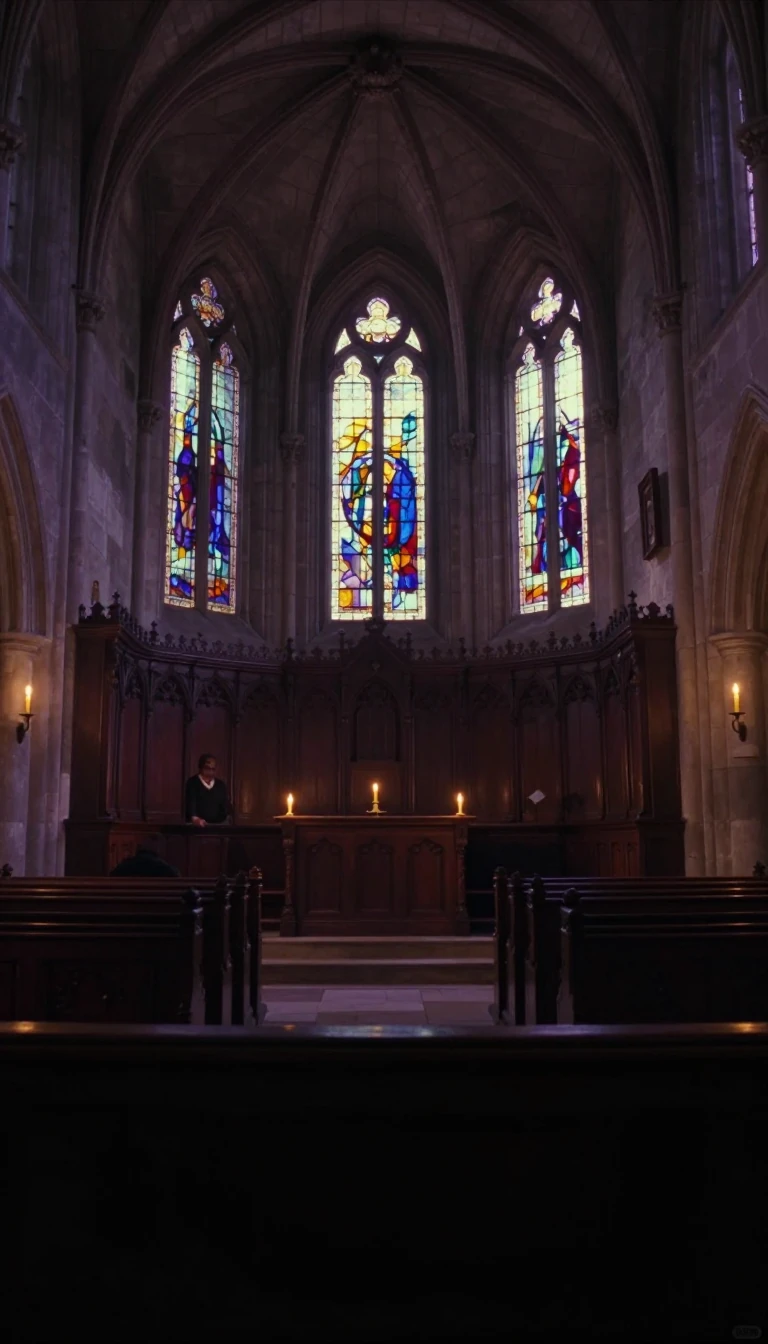
In short: Medieval builders faced a physical限界: masonry ceilings were becoming too heavy for traditional barrel vaults to support. The solution wasn't just aesthetic; it was a structural revolution. By redistributing weight through a new skeletal system, architects transformed heavy stone into light-filled, cavernous spaces that seemed to defy gravity.
The transition to Early Gothic architecture, which flourished between the 1130s and 1200, was driven by the need to solve a specific engineering problem. Traditional Romanesque designs relied on heavy arched barrel vaults that limited the height and openness of a building. To overcome this, builders developed the rib vault—a system of thin stone ribs that channeled the ceiling's weight outward and downward toward columns and exterior supports.
This innovation was paired with the flying buttress, an external support structure that allowed for much thinner walls and significantly greater heights. By moving the structural burden outside the main body of the building, architects could replace solid masonry with expansive stained-glass windows. This created the 'cavernous' interiors characteristic of the style, where natural light could flood the space, creating dramatic sun-dappled effects.
The movement originated in the Île-de-France region around Paris. A pivotal moment occurred at the Abbey of Saint-Denis (c. 1135–1144), where Abbot Suger commissioned a reconstruction that became a primary model for the new style. This architectural shift was also a political statement; under French kings like Louis VI, cathedrals served as visible symbols of the unity between the French state and the church.
While the style spread rapidly to England and Germany, it evolved into distinct regional variations. For instance, while French and Spanish styles eventually became 'flamboyant,' English architecture developed the Perpendicular style in the 14th century. Even modern recreations, like the 1:12 scale Thorne Rooms, highlight these nuances, capturing the specific transition between High Gothic and the later, more decorative periods.
Opens the Intellect+ feed with this card first. Swipe up for the next one.
Sources
- Source: Art Institute of Chicago — E29: English Roman Catholic Church in the Gothic Style, 1275–1300 · CC0 (data); description CC BY 4.0
- Also: Early Gothic architecture
- Also: Gothic architecture | Characteristics, Time Period, Interior, Terms, Style, Examples, & Facts | Britannica
To cite this card, link to https://intellectplus.co.uk/app/design-early-gothic-architecture.
How we source, check and correct cards: Editorial standards.
General information, not professional advice. Spotted an error? Flag the card or see corrections and complaints.
Intellect Plus is a visual educational discovery platform for exploring fascinating facts and ideas. Brain Food, Not Brain Rot. What is Intellect Plus?
Related
More in Gothic architecture · More in Design · Latest · A–Z · All topics
