In 2007, the world voted for seven new wonders, but not everyone was cheering.
In short: A Swiss foundation launched a global campaign in 2000 to update the ancient list of wonders. Over 100 million votes were cast, resulting in a diverse selection of architectural marvels. Yet, the project faced skepticism from experts and UNESCO, sparking a debate about how we define and value human heritage.
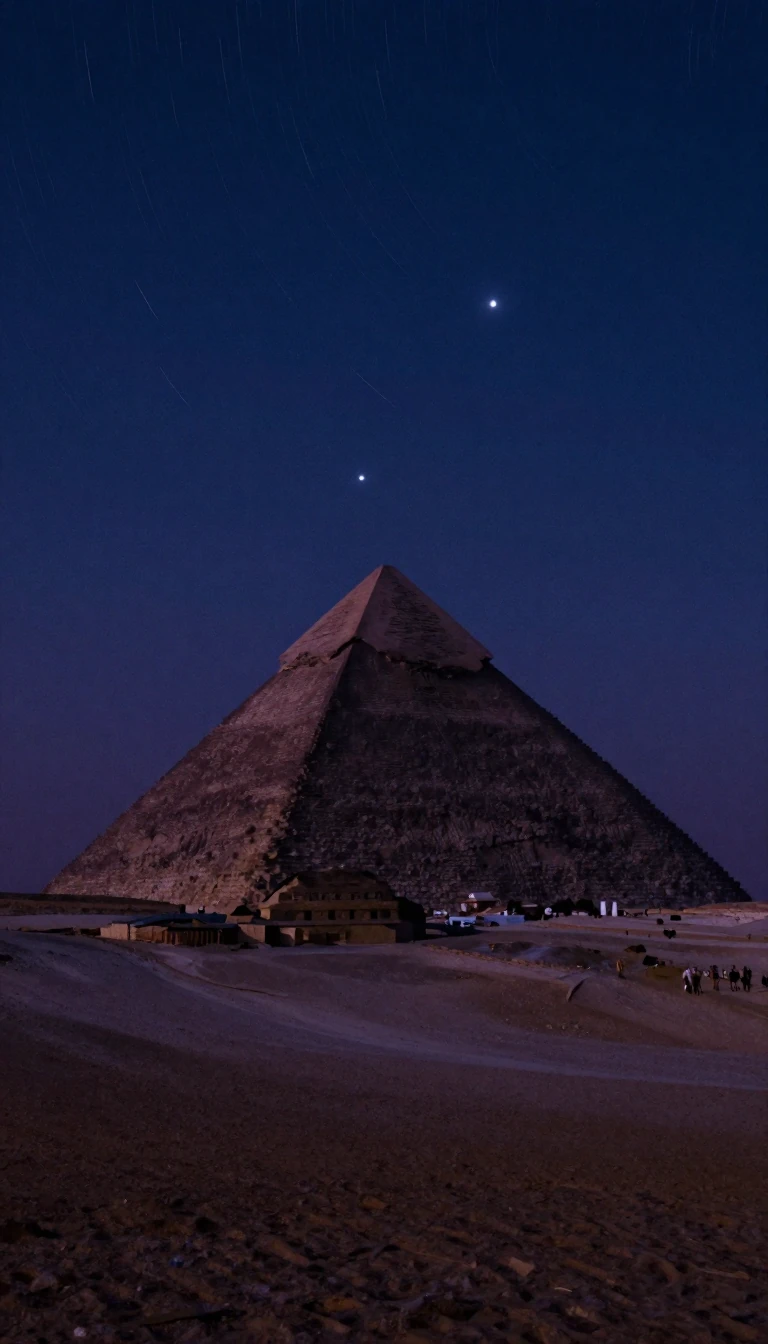
The original list of Seven Wonders was compiled in the 2nd century BCE, and today only the Pyramids of Giza remain. Seeking a modern successor, a Swiss foundation initiated a massive, internet-based poll that concluded in 2007. While the campaign engaged millions, it was not without controversy. UNESCO, which maintains its own list of World Heritage Sites, distanced itself from the project, and critics argued the voting process was unscientific because participants could vote multiple times.
The final list includes sites ranging from the Great Wall of China—a structure spanning thousands of miles that served as political propaganda—to the Mayan city of Chichén Itzá, known for its astronomical precision. Other winners include the sandstone city of Petra, the Incan retreat of Machu Picchu, and the Colosseum in Rome, where an estimated 500,000 people perished in brutal spectacles. The list also features the Taj Mahal, a 17th-century mausoleum built by Shah Jahan, and Christ the Redeemer, a colossal Art Deco statue in Rio de Janeiro.
Beyond the architecture, the stories behind these sites reveal the complexities of history. Machu Picchu, for instance, was long misunderstood as a secret Incan stronghold, while the Colosseum’s reputation for Christian martyrdom remains a subject of academic debate. The campaign itself was managed by a foundation that relied on private funding and broadcast rights, highlighting the tension between public interest and commercial enterprise in the preservation of global monuments. Ultimately, the New Seven Wonders serve as a reminder that our collective history is as much about the stories we choose to tell as the stones we leave behind.
Opens the Intellect+ feed with this card first. Swipe up for the next one.
Sources
- Summary by Intellect · source: New Seven Wonders of the World | List, Map, Old, & Facts | Britannica
- Also: New 7 Wonders of the World
To cite this card, link to https://intellectplus.co.uk/app/design-new-7-wonders-of-the-world.
How we source, check and correct cards: Editorial standards.
General information, not professional advice. Spotted an error? Flag the card or see corrections and complaints.
Intellect Plus is a visual educational discovery platform for exploring fascinating facts and ideas. Brain Food, Not Brain Rot. What is Intellect Plus?
Related
More in Architecture · More in Design · Latest · A–Z · All topics
