The Temple of Confucius: A Two-Millennium Architectural Evolution in Qufu
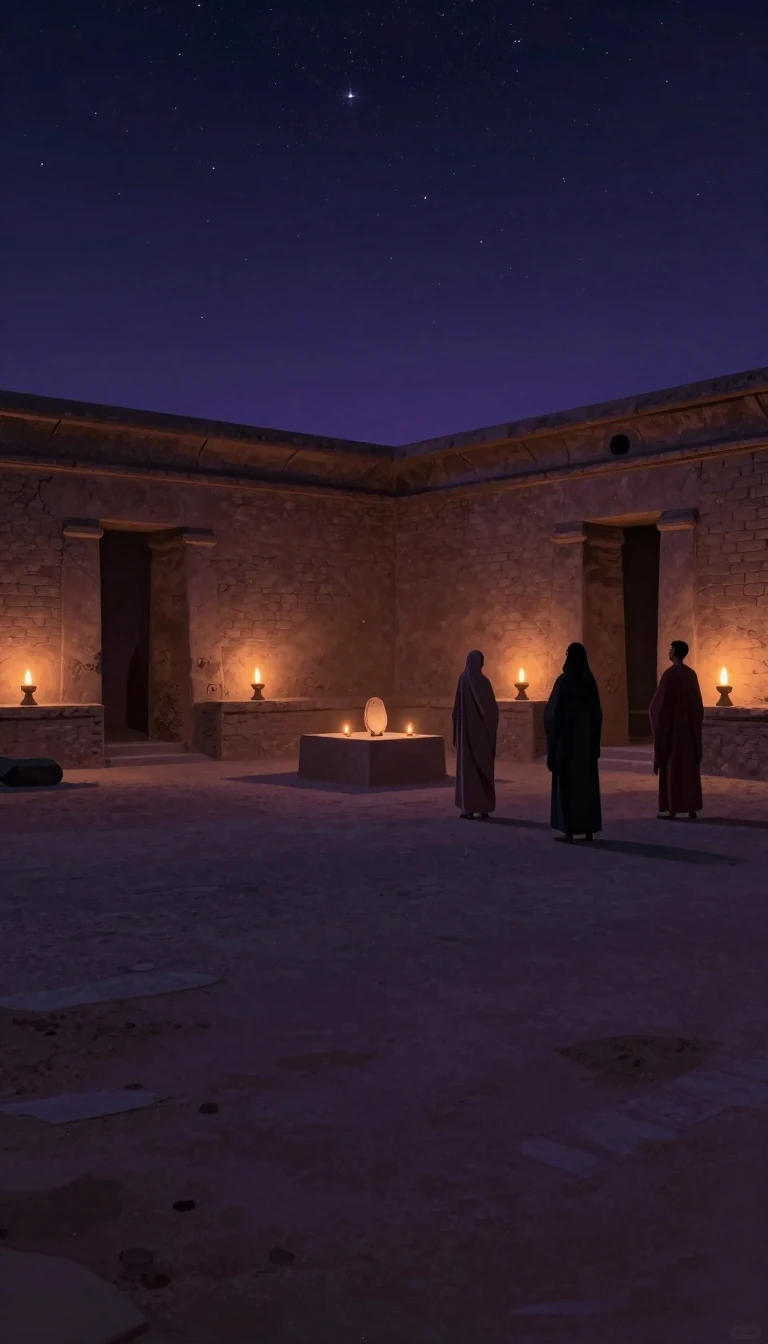
In short: In the birthplace of China's most influential philosopher, a sprawling complex has evolved over 2,000 years. From a humble family home to a monumental imperial-style site, this architectural masterpiece serves as the prototype for Confucian temples across East Asia, preserving the legacy of the Sacred Model Teacher.
Established in 478 BC, one year after the death of Confucius, the temple complex in Qufu began as a modest site for sacrifice. Over the following two millennia, it underwent repeated destruction and reconstruction, eventually expanding into a massive 14-hectare ensemble. Today, it stands as a testament to the enduring reverence held by Chinese emperors, who consistently commissioned the finest craftsmen to maintain and expand the site, ensuring its status as the ultimate model for Confucian architecture.
The layout of the complex is deeply rooted in Confucian principles, emphasizing hierarchy and order. The site features nine courtyards and iconic structures like the Dacheng Hall, the Kuiwen Pavilion, and the Xing Altar. Unlike many other Confucian temples that transitioned to using spirit tablets to avoid Buddhist-style imagery, the Qufu site—managed by the philosopher's own descendants—retains statues of the sage, reflecting a unique lineage-based tradition that has persisted through the Ming and Qing dynasties.
Beyond the temple, the broader heritage site includes the Kong Family Mansion and the Cemetery of Confucius. The mansion, which grew from a small residence into an aristocratic office and home, houses over 100,000 artifacts, including ancient ceremonial utensils and extensive archives. These documents provide a rare, continuous record of the Kong family’s activities for over 400 years, offering invaluable insights into the social and political history of the Ming and Qing periods.
The site’s authenticity is preserved through traditional conservation methods and the continued presence of Confucius's descendants in the surrounding area. Designated a UNESCO World Heritage site in 1994, the ensemble remains a vital link to the past. It serves not only as a monument to a singular thinker but as a physical manifestation of the philosophical and political doctrines that shaped the governance and culture of East Asia for centuries.
Opens the Intellect+ feed with this card first. Swipe up for the next one.
Sources
- Summary by Intellect · source: Temple and Cemetery of Confucius and the Kong Family Mansion in Qufu
- Also: Great Temple of Confucius | temple, Qufu, China | Britannica
- Also: Temple of Confucius
To cite this card, link to https://intellectplus.co.uk/app/design-temple-of-confucius.
How we source, check and correct cards: Editorial standards.
General information, not professional advice. Spotted an error? Flag the card or see corrections and complaints.
Intellect Plus is a visual educational discovery platform for exploring fascinating facts and ideas. Brain Food, Not Brain Rot. What is Intellect Plus?
Related
More in Architecture · More in Design · Latest · A–Z · All topics
