From ancient temples to modern rooftops, the terrace remains architecture's most versatile outdoor stage.
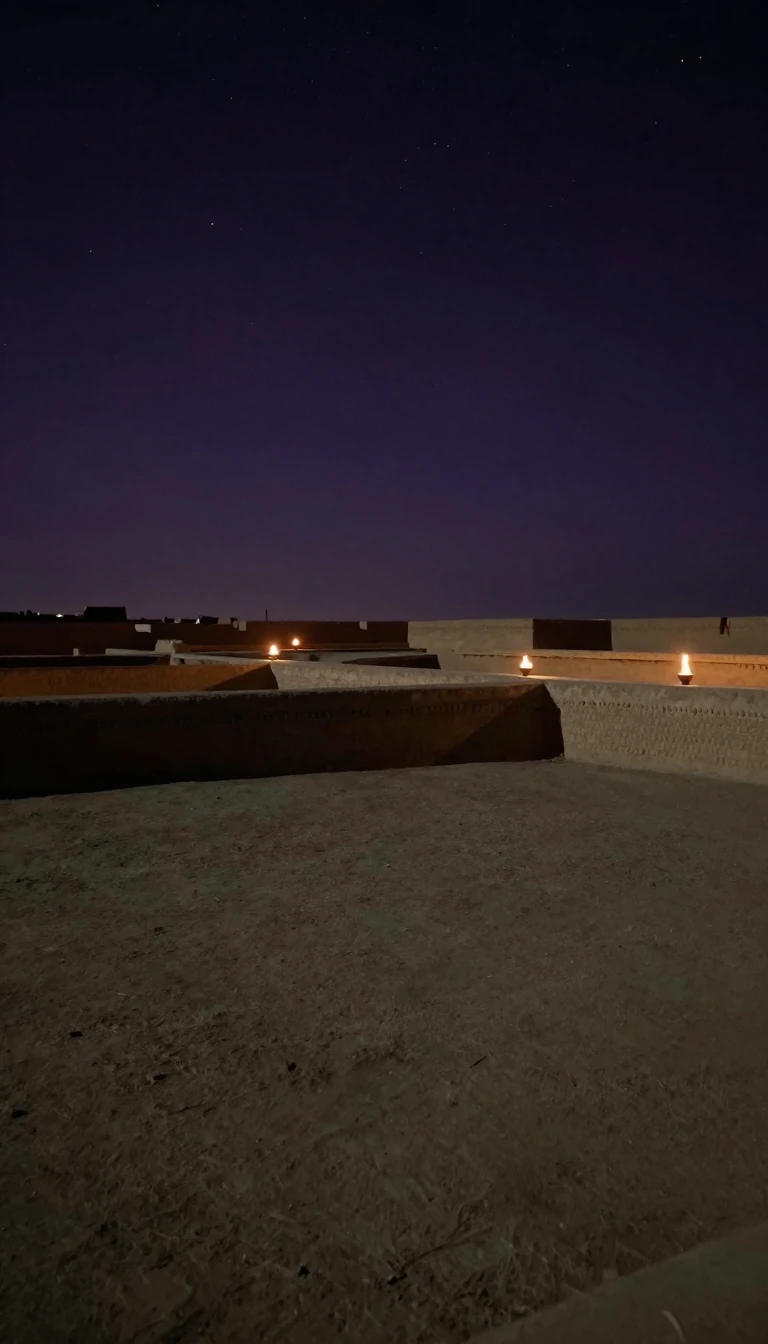
In short: Defined as an open, flat, and raised space, the terrace has evolved from prehistoric agricultural necessity to a sophisticated architectural tool. Whether serving as a monumental base for temples or an intimate extension of a private home, this enduring structure bridges the gap between our indoor lives and the landscape.
Architectural terracing is a global phenomenon with roots stretching back thousands of years. Early examples appear at the Natufian site of Nahal Oren, occupied between 13000 and 9834 BCE, and later at Tel Yarmut and Tel el-'Umeiri. While agricultural terracing is ancient, the architectural application was equally widespread, appearing in diverse locations ranging from the Roman Empire to the island of Babeldaob in the Pacific. By 881 CE, the practice had reached Cambodia, where the temple at Bakong became the first stone structure to utilize this terraced form.
The design philosophy of the terrace has shifted significantly over time. In the early 20th century, Henry and Theodore Hubbard argued that a terrace should serve as a simple, unobtrusive base for a building, designed primarily to command a view. Modern perspectives, such as those from architect Catherine Dee, emphasize the terrace as a vital link between a structure and its surrounding environment, effectively expanding the home's living space. Today, experts like Sophia Psarra identify the terrace as one of the most essential architectural forms, standing alongside fundamental elements like hallways and stairs.
The form itself is remarkably adaptable. In traditional Thai homes, the chaan serves as a central terrace, often featuring built-in bench seating and shade provided by trees. Conversely, the Venetian altana—a rooftop platform developed around 1500 CE—was originally designed for practical tasks like drying laundry, with gaps between floorboards to allow water drainage. Today, these spaces are primarily social. Whether it is a grand stone platform in front of a temple or a modest wooden deck in a city center, the terrace remains a constant, flexible stage for human leisure and connection.
Opens the Intellect+ feed with this card first. Swipe up for the next one.
Sources
- Summary by Intellect · source: Terrace (building)
- Also: Art Institute of Chicago — The Terrace · CC0 (data); description CC BY 4.0
To cite this card, link to https://intellectplus.co.uk/app/design-terrace-building.
How we source, check and correct cards: Editorial standards.
General information, not professional advice. Spotted an error? Flag the card or see corrections and complaints.
Intellect Plus is a visual educational discovery platform for exploring fascinating facts and ideas. Brain Food, Not Brain Rot. What is Intellect Plus?
Related
More in Architecture · More in Design · Latest · A–Z · All topics
