How a horror franchise returned to its roots using modern smartphone technology and history
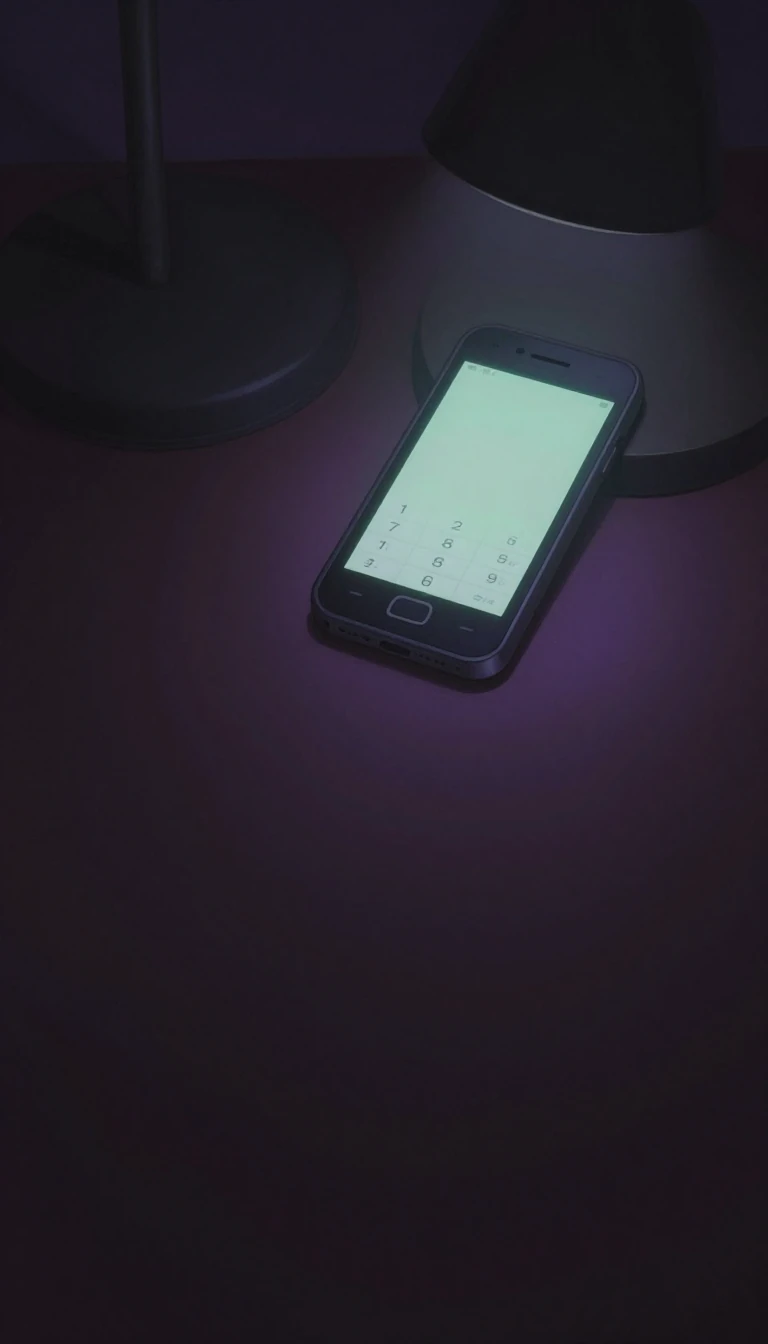
In short: Danny Boyle’s 2025 horror sequel, 28 Years Later, revitalized a dormant series by embracing minimalist production. Shot primarily on an iPhone 15 Pro Max, the film captures a post-apocalyptic Britain through a wide, cinematic lens, blending contemporary social anxieties with a haunting, reconstructed mythology of the nation’s fractured past.
The production of 28 Years Later was defined by a commitment to technical agility. Director Danny Boyle and cinematographer Anthony Dod Mantle utilized the iPhone 15 Pro Max to navigate rural landscapes in the north of England, including locations like Lindisfarne and Kielder Forest. This choice mirrored the original 2002 film’s reliance on the Canon XL-1, allowing the crew to maintain a small footprint while capturing high-resolution footage at 60 frames per second. To achieve a sweeping, immersive visual style, the team employed a 2.76:1 aspect ratio, a format reminiscent of Ultra Panavision 70 that forces viewers to constantly scan the frame for threats.
Beyond its technical execution, the film serves as a meditation on cultural decay. The narrative centers on a community that attempts to rebuild a sense of identity by piecing together fragmented historical artifacts, such as wartime footage and poetry. This process of myth-making, which the filmmakers suggest is a response to the isolationism following Brexit and the COVID-19 pandemic, illustrates how collective memory can become distorted over time. The inclusion of Rudyard Kipling’s 1903 poem Boots, featured in the film's viral trailer, underscores this theme of historical transmission and the reconstruction of national narratives.
The film’s commercial and critical reception marked a high point for the franchise. Released in June 2025, it grossed $151.3 million worldwide against a $60 million budget, securing its place as the series' most successful entry. Critics praised its ability to tap into modern fears, with an 88% approval rating on Rotten Tomatoes. While the story explores dark themes of terminal illness and survival, it also establishes a new trajectory for the series, with plans for a trilogy of sequels written by Alex Garland, including the 2026 follow-up directed by Nia DaCosta.
Opens the Intellect+ feed with this card first. Swipe up for the next one.
Sources
- Summary by Intellect · source: 28 Years Later
- Also: Wikidata — 28 Years Later · CC0
- Also: Wikidata — 28 Years Later: The Bone Temple · CC0
To cite this card, link to https://intellectplus.co.uk/app/entertainment-28-years-later.
How we source, check and correct cards: Editorial standards.
General information, not professional advice. Spotted an error? Flag the card or see corrections and complaints.
Intellect Plus is a visual educational discovery platform for exploring fascinating facts and ideas. Brain Food, Not Brain Rot. What is Intellect Plus?
Related
More in Films · More in Entertainment · Latest · A–Z · All topics
