How a psychological thriller shot entirely on an iPhone became a box office success
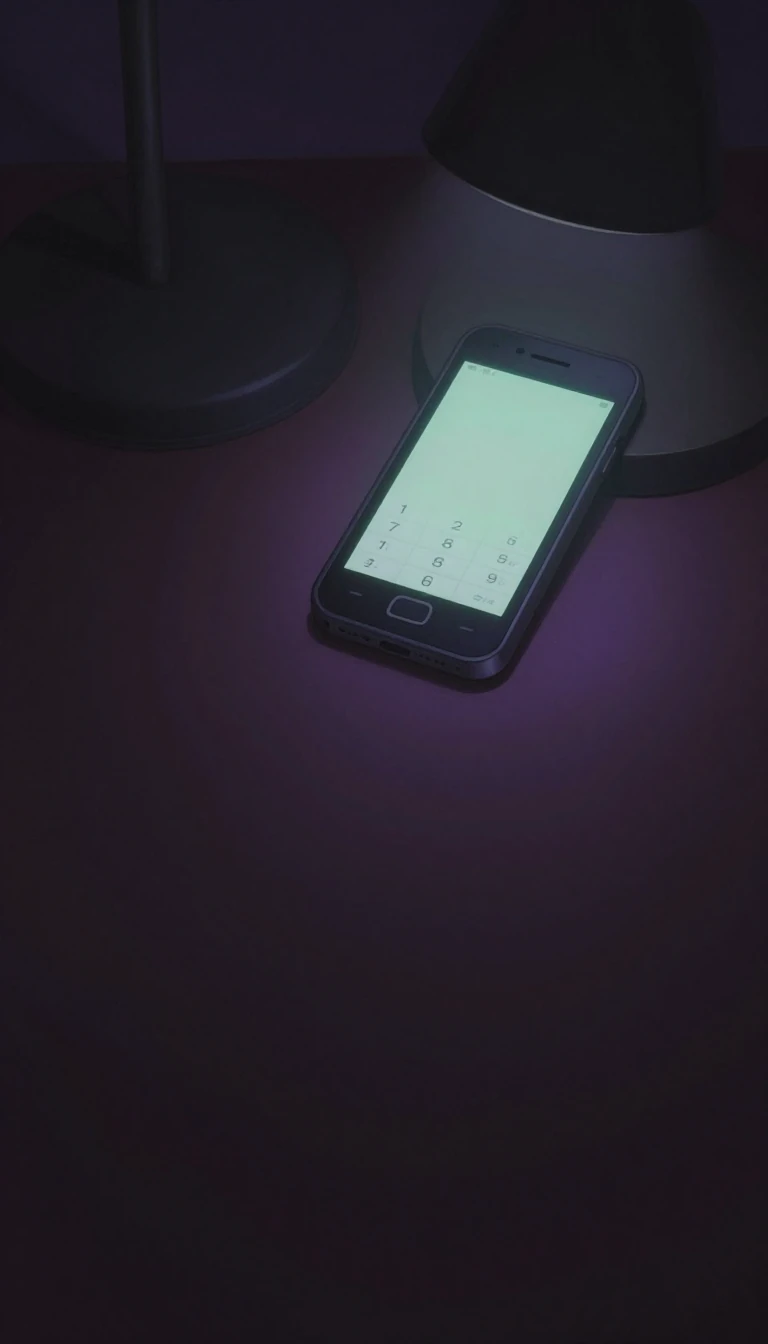
In short: Steven Soderbergh’s 2018 thriller Unsane is more than a genre exercise. By filming the entire production on an iPhone 7 Plus, the director turned a modest $1.5 million budget into a $14.2 million global hit, proving that high-tech minimalism can redefine the aesthetic of modern psychological horror.
The film follows Sawyer Valentini, a woman who relocates to Boston to escape a stalker, only to be trapped in a psychiatric facility through a predatory insurance scheme. The plot centers on the Highland Creek Behavioral Center, where administrators exploit patients for profit, releasing them only when their insurance coverage expires. Sawyer’s nightmare intensifies when she discovers her stalker, David Strine, has infiltrated the facility as an orderly under a pseudonym.
Soderbergh’s production was shrouded in secrecy until its announcement in July 2017. Shot in June 2017 using an iPhone 7 Plus and the FiLMiC Pro app, the film represents a bold experiment in digital cinematography. Critics noted that the high-tech, mobile-first approach lent the film a unique, lurid, and lucid visual quality that enhanced its B-movie sensibilities. The project was distributed through Soderbergh’s own Fingerprint Releasing banner, bypassing traditional studio constraints.
Commercially, the film outperformed expectations. Despite a modest opening weekend of $3.7 million, it ultimately grossed $14.2 million worldwide. Reviews were generally positive, with Rotten Tomatoes awarding it an 80% approval rating. While some critics debated the depth of its narrative, many praised the performances of Claire Foy and Juno Temple, as well as the director’s ability to inject incisive, smart ideas into a seemingly disposable genre framework.
The film’s legacy is tied to its technical audacity. By utilizing consumer technology to achieve professional-grade production values, Soderbergh demonstrated that the barrier to entry for high-quality filmmaking is shifting. The film remains a case study in how creative constraints—such as a limited budget and a smartphone camera—can force a director to innovate, resulting in a work that signifies the irrepressible vitality of cinema.
Opens the Intellect+ feed with this card first. Swipe up for the next one.
Sources
- Summary by Intellect · source: Unsane
- Also: Wikidata — Unsane · CC0
To cite this card, link to https://intellectplus.co.uk/app/entertainment-unsane.
How we source, check and correct cards: Editorial standards.
General information, not professional advice. Spotted an error? Flag the card or see corrections and complaints.
Intellect Plus is a visual educational discovery platform for exploring fascinating facts and ideas. Brain Food, Not Brain Rot. What is Intellect Plus?
Related
More in Films · More in Entertainment · Latest · A–Z · All topics
