When technology becomes a portal for spirits, the only safe zone is offline.
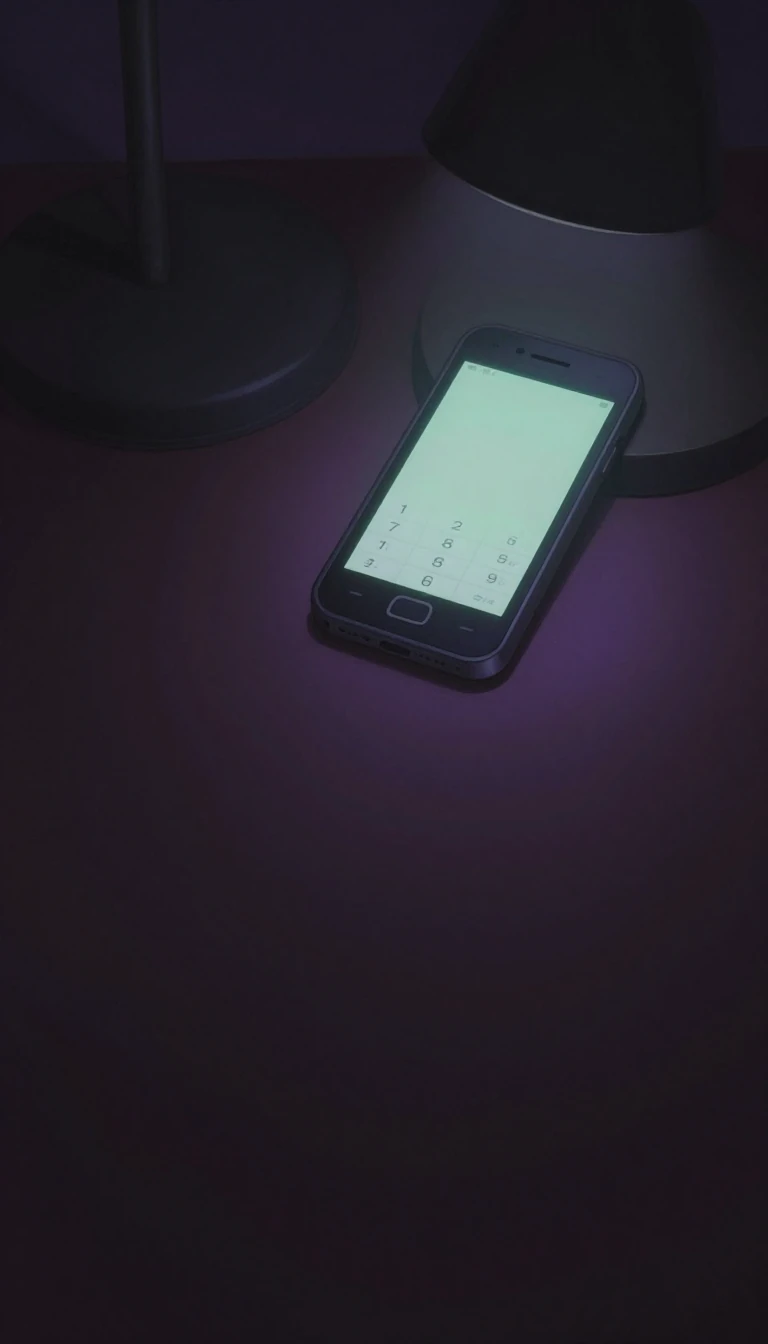
In short: The 2006 techno-horror film Pulse explores a terrifying premise: what if our digital connections were actually conduits for the afterlife? Directed by Jim Sonzero, this American adaptation of a Japanese original follows a group of friends struggling to survive as a mysterious virus unleashes spectral entities into the modern world.
The narrative centers on Mattie Webber and Dex McCarthy, who discover that a computer virus has breached the barrier between the living and the dead. The infection originated from a project by Douglas Ziegler, who inadvertently tapped into unknown frequencies that allowed spirits to cross over. These entities, described as life-force-draining beings, begin to haunt the city, forcing the protagonists to seek refuge in designated safe zones devoid of all modern technology, including cell phones, televisions, and internet access. The film concludes with an apocalyptic vision of abandoned cities, suggesting that the very tools meant to connect humanity have instead facilitated its downfall.
The production history of Pulse was notably turbulent. Originally, Wes Craven was attached to the project, collaborating on scripts with Vince Gilligan as early as 2002. However, studio executives at Dimension Films eventually pulled the plug on the production to steer Craven toward the film Cursed. The project was later revived in 2004, with Jim Sonzero taking the helm. Principal photography took place in Bucharest, Romania, between June and September 2005. Despite the involvement of a recognizable cast including Kristen Bell and Ian Somerhalder, the film struggled to find critical favor upon its August 11, 2006 release.
Critics largely panned the film, often comparing it unfavorably to the 2001 Japanese original. Reviewers on Rotten Tomatoes gave it an 11% approval rating, while Metacritic assigned it a score of 29 out of 100. Critics such as Robert Koehler of Variety argued that the remake lacked the atmospheric dread of the original, opting instead for literal interpretations and horror clichés. Despite this, the film achieved moderate financial results, grossing nearly $28 million worldwide against a $20.5 million budget, and later generated an additional $25 million in DVD rentals. Its legacy includes two direct-to-video sequels released in 2008, and a 2011 inclusion on a list of the least scary movies of all time by The Hollywood Reporter.
Opens the Intellect+ feed with this card first. Swipe up for the next one.
Sources
- Summary by Intellect · source: Pulse (2006 film)
To cite this card, link to https://intellectplus.co.uk/app/entertainment-pulse-2006-film.
How we source, check and correct cards: Editorial standards.
General information, not professional advice. Spotted an error? Flag the card or see corrections and complaints.
Intellect Plus is a visual educational discovery platform for exploring fascinating facts and ideas. Brain Food, Not Brain Rot. What is Intellect Plus?
Related
More in Films · More in Entertainment · Latest · A–Z · All topics
