Can an unheralded life of quiet moral resistance change the course of history?
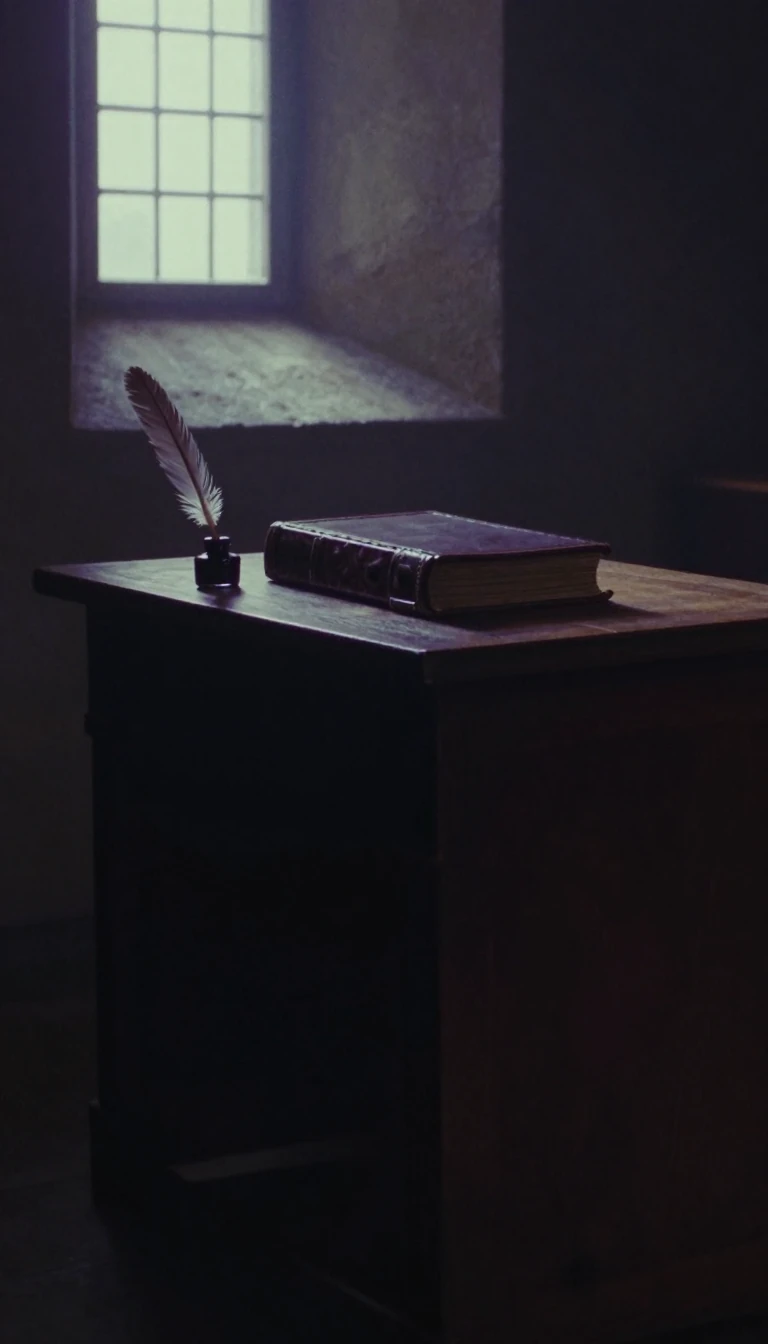
In short: Terrence Malick’s 2019 drama, A Hidden Life, explores the true story of Franz Jägerstätter, an Austrian farmer who defied the Nazi regime. By refusing to swear allegiance to Hitler, he faced ostracization and death, leaving behind a legacy of faith and quiet courage that resonates far beyond his small village.
The film draws its title from George Eliot’s Middlemarch, which suggests that the world’s progress relies on the countless individuals who live faithfully without seeking recognition. Malick depicts the life of Franz Jägerstätter, a devout Catholic from St. Radegund who, alongside his wife Franziska, raised three daughters while navigating the mounting pressures of World War II. When called to serve in the German army, Jägerstätter refused to swear an oath to Adolf Hitler, a decision that led to his imprisonment in Enns and Berlin and his eventual execution on August 9, 1943.
Malick’s production marked a departure from his recent experimental style, returning to a structured, linear narrative for the first time since 2005. To ensure authenticity, the director secured the rights to Jägerstätter’s prison correspondence, edited by Erna Putz. The film was shot on location across South Tyrol and Germany, utilizing a 40-piece string section for a score that composer James Newton Howard described as capturing the inherent suffering of love. The production process was notably long, with over two years spent in post-production.
Following its premiere at the 2019 Cannes Film Festival, the film earned critical acclaim, holding an 82% approval rating on Rotten Tomatoes. Beyond its historical focus, critics noted the film’s contemporary relevance, with some viewing it as a commentary on modern political compromises. Jägerstätter himself was later recognized by the Catholic Church as a martyr and beatified, cementing his status as a figure whose private moral stand against tyranny continues to inspire reflection on the power of individual conscience.
The film’s release involved a competitive bidding war, with Fox Searchlight Pictures acquiring rights for $12–14 million. Malick, known for his reclusive nature, made a rare appearance to introduce the film at the Vatican Film Library in December 2019. By focusing on the intimate, often painful correspondence between Franz and Franziska, the work serves as a universal meditation on the strength required to remain true to one's values when faced with overwhelming social hostility.
Opens the Intellect+ feed with this card first. Swipe up for the next one.
Sources
- Summary by Intellect · source: A Hidden Life (2019 film)
To cite this card, link to https://intellectplus.co.uk/app/entertainment-a-hidden-life-2019-film.
How we source, check and correct cards: Editorial standards.
General information, not professional advice. Spotted an error? Flag the card or see corrections and complaints.
Intellect Plus is a visual educational discovery platform for exploring fascinating facts and ideas. Brain Food, Not Brain Rot. What is Intellect Plus?
Related
More in Films · More in Entertainment · Latest · A–Z · All topics
