How a failed film project led Martin Scorsese to a cult classic nightmare
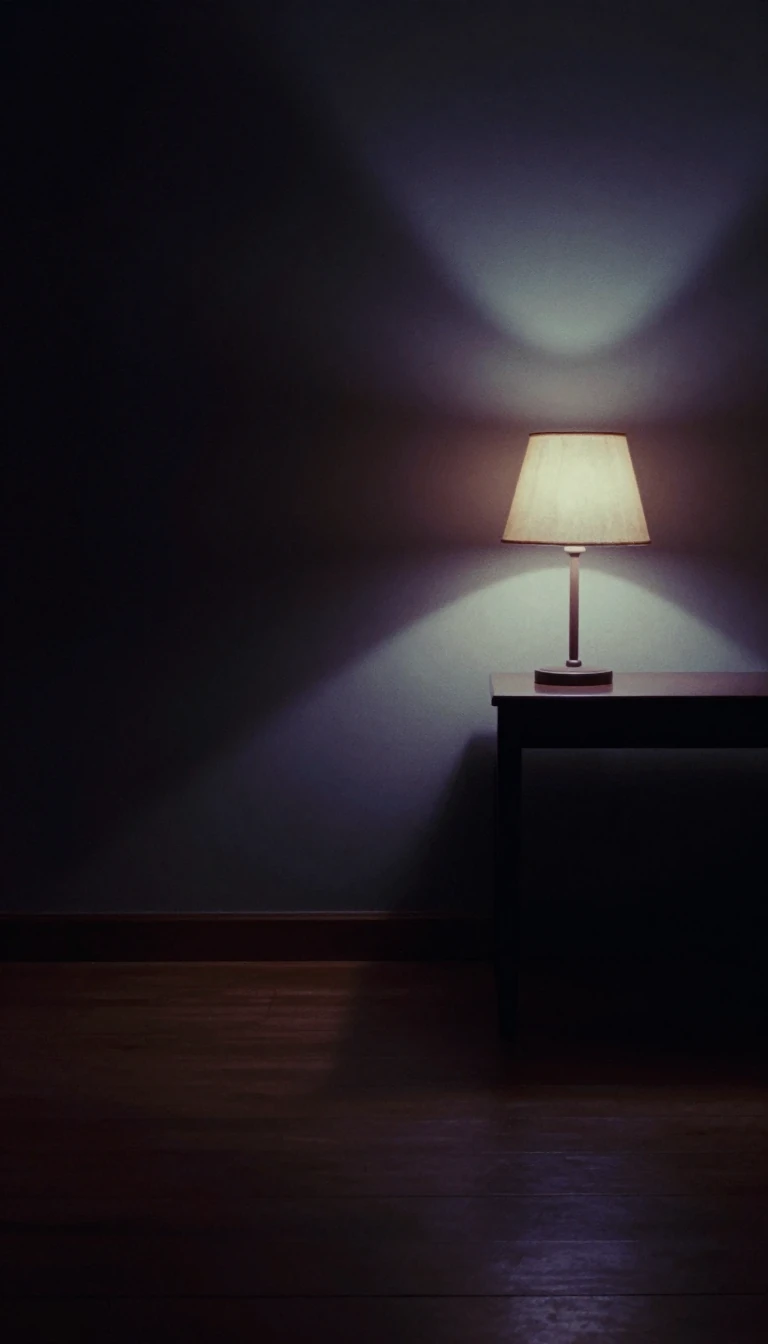
In short: After the collapse of a major production, Martin Scorsese pivoted to a low-budget, frantic black comedy about a man trapped in a nocturnal Manhattan labyrinth. This 1985 film, born from a student screenplay, became a masterclass in paranoia and remains one of the director's most distinct, underrated cinematic detours.
In the mid-1980s, Martin Scorsese faced professional frustration following the cancellation of his passion project, The Last Temptation of Christ, and the poor box office performance of The King of Comedy. Seeking a smaller project, he accepted an offer from his lawyer to direct a script titled One Night in Soho. Written by 26-year-old Joseph Minion for a Columbia University film course, the screenplay was inspired by a 1982 monologue from Joe Frank. Scorsese, needing to earn money, embraced the project, which eventually became After Hours.
The film follows Paul Hackett, a computer clerk whose attempt to visit a woman in SoHo spirals into a nightmarish series of events. Critics often categorize the film within the yuppie nightmare cycle, a subgenre blending screwball comedy with film noir. Scholars have analyzed the narrative through a psychoanalytic lens, noting recurring themes of emasculation and castration anxiety. Others, such as Michael Rabiger, interpret the film as a mythological journey, comparing Paul to a rat navigating a labyrinth where every destination offers only illusory promises.
The production was marked by creative improvisation. The ending, which sees Paul returning to his office desk at dawn, was suggested by director Michael Powell after several other conclusions were tested and rejected. Scorsese also infused the dialogue with existential dread, drawing inspiration from Franz Kafka's Before the Law to reflect his own frustrations. Despite a modest $10.6 million gross against a $4.5 million budget, the film earned Scorsese the top directing honor at the 1986 Cannes Film Festival and has since achieved status as a cult classic, influencing works ranging from music albums to television episodes.
The film's reception was largely positive, with Roger Ebert awarding it four stars and praising its relentless pressure. While some critics, like Vincent Canby, felt the film's episodic nature was an entertaining but ultimately hollow tease, it maintains high approval ratings on platforms like Rotten Tomatoes. By stepping away from his usual collaborator Robert De Niro, Scorsese crafted a unique, frantic experience that remains a singular entry in his extensive filmography.
Opens the Intellect+ feed with this card first. Swipe up for the next one.
Sources
- Summary by Intellect · source: After Hours (film)
- Also: Wikidata — After Hours · CC0
To cite this card, link to https://intellectplus.co.uk/app/entertainment-after-hours-film.
How we source, check and correct cards: Editorial standards.
General information, not professional advice. Spotted an error? Flag the card or see corrections and complaints.
Intellect Plus is a visual educational discovery platform for exploring fascinating facts and ideas. Brain Food, Not Brain Rot. What is Intellect Plus?
Related
More in Films · More in Entertainment · Latest · A–Z · All topics
