A 1966 documentary captured the brutal end of colonial rule, sparking global outrage and debate.
In short: Africa Addio, a controversial mondo documentary, filmed the chaotic transition of African nations during the 1960s. While praised for its unique, high-stakes footage of massacres and wildlife poaching, it faced intense accusations of racism, staging, and exploitation, ultimately becoming a lightning rod for debates on colonial legacy and cinematic ethics.
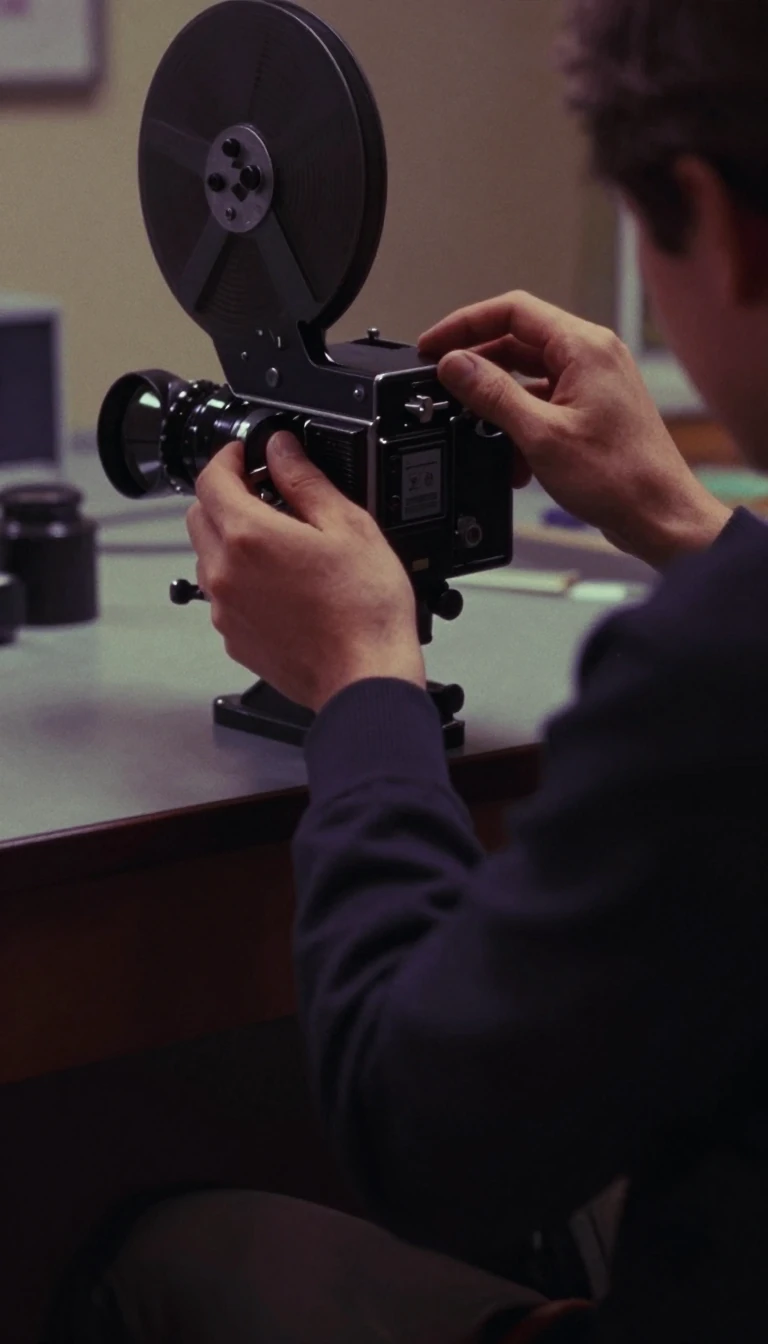
Released in 1966, Africa Addio was directed by Gualtiero Jacopetti and Franco E. Prosperi. The film documented the withdrawal of European powers from Africa, capturing scenes of violence, revolution, and environmental destruction across countries including Congo, Zanzibar, Rwanda, and Kenya. Using 35mm Techniscope film—a rarity for documentaries at the time—the filmmakers achieved a wide 2.35:1 aspect ratio, providing a cinematic scale to their footage of events like the 1964 Zanzibar Revolution and the Simba rebellion in Congo.
The film’s production was notoriously dangerous. In Zanzibar, the crew’s plane was shot at, and in Dar es Salaam, they were nearly executed by soldiers before being spared because their Italian passports identified them as non-British. Despite the filmmakers' insistence that they never staged scenes, the film faced severe backlash. Critics, including film director Roger Ebert and US Ambassador to the UN Arthur Goldberg, condemned the work as racist and distorted. In West Germany, protests led to the cancellation of screenings, while in Zanzibar, the film remains a contentious reference point for the 1964 genocide.
The controversy reached a legal peak when Jacopetti was arrested on charges of snuff filming, specifically regarding a scene showing the execution of a Congolese rebel. He was acquitted after providing documentation that the crew arrived just before the event occurred. Today, the film is recognized for its unique historical record, including the only known visual evidence of the Zanzibar genocide and combat footage of mercenaries in the Congo. While the directors maintained that the film was a condemnation of the miserable conditions left behind by colonial powers, it remains a polarizing artifact of 1960s cinema.
Opens the Intellect+ feed with this card first. Swipe up for the next one.
Sources
- Summary by Intellect · source: Africa Addio
- Also: Africa Addio
To cite this card, link to https://intellectplus.co.uk/app/entertainment-africa-addio.
How we source, check and correct cards: Editorial standards.
General information, not professional advice. Spotted an error? Flag the card or see corrections and complaints.
Intellect Plus is a visual educational discovery platform for exploring fascinating facts and ideas. Brain Food, Not Brain Rot. What is Intellect Plus?
Related
More in Films · More in Entertainment · Latest · A–Z · All topics
