Is a film about shared psychosis a horror movie, a love story, or both?
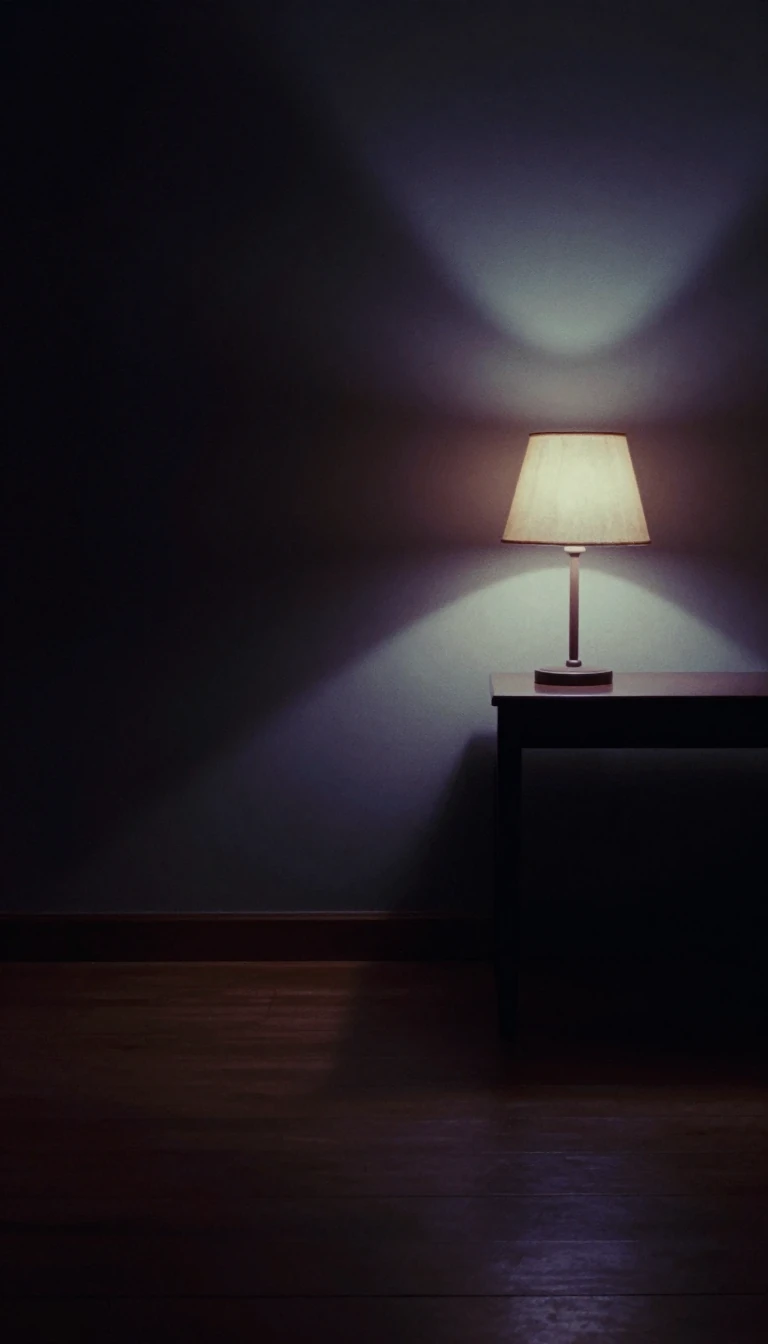
In short: William Friedkin’s 2006 psychological thriller Bug follows an isolated woman and a paranoid Gulf War veteran who spiral into a shared, claustrophobic delusion. While marketed as horror, the director insisted it was a black comedy love story. The film’s intense, unsettling portrayal of mental illness left audiences deeply divided.
Adapted by Tracy Letts from his 1996 stage play, the film centers on Agnes White, a lonely waitress living in a run-down Oklahoma motel. Her life changes when she meets Peter Evans, a drifter who claims the U.S. government subjected him to biological experiments. Peter becomes convinced that invisible insects are infesting his body and the motel room. As their bond deepens, Agnes begins to share his erratic behavior, eventually isolating themselves in a room covered in aluminum foil and flypaper to fend off their perceived persecutors.
The film explores themes of paranoia, psychosis, and substance abuse. While the characters are not explicitly shown using drugs, critics have noted the film serves as a frightening allegory for the psychological effects of chronic methamphetamine addiction. Benjamin Radford, a psychologist, praised the film for providing a realistic look at delusional parasitosis, a condition where individuals falsely believe they are infested with parasites. The production itself was physically demanding, with filming completed in just 21 days on a soundstage in Metairie, Louisiana, designed to reflect the characters' narrowing world.
Upon its 2007 U.S. release, Bug polarized audiences and critics. While reviewers lauded the manic intensity of leads Ashley Judd and Michael Shannon, the film’s ambiguous ending and genre-defying nature caused significant friction. Audiences surveyed by CinemaScore famously awarded the film an 'F' grade, a rare reaction that highlights the discomfort it provoked. Friedkin, however, rejected the horror label, arguing that marketing departments simply struggle to categorize films that blend melodrama, comedy, and tragedy. Ultimately, the film remains a study in how paranoia can act as a desperate, shared focus, trapping two people in a reality that may exist only within their own minds.
Opens the Intellect+ feed with this card first. Swipe up for the next one.
Sources
- Summary by Intellect · source: Bug (2006 film)
To cite this card, link to https://intellectplus.co.uk/app/entertainment-bug-2006-film.
How we source, check and correct cards: Editorial standards.
General information, not professional advice. Spotted an error? Flag the card or see corrections and complaints.
Intellect Plus is a visual educational discovery platform for exploring fascinating facts and ideas. Brain Food, Not Brain Rot. What is Intellect Plus?
Related
More in Films · More in Entertainment · Latest · A–Z · All topics
