Why the 1967 film Camelot marked the end of an era for Hollywood sets
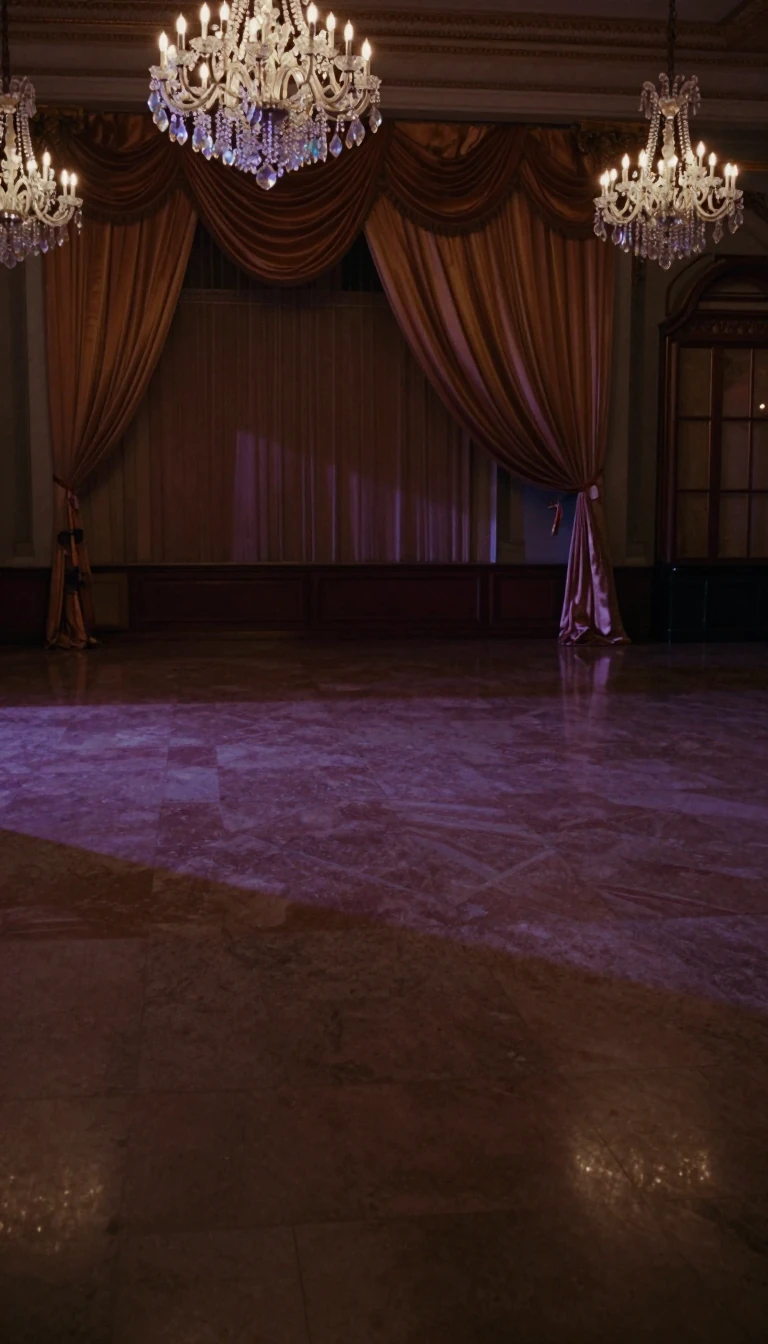
In short: The 1967 musical Camelot was a commercial success, yet it remains a symbol of a dying tradition. By attempting to build a massive, full-scale medieval castle on a Burbank studio lot, the production became one of the final big-budget American films to rely on such elaborate, physical backlot construction.
Directed by Joshua Logan, the film adaptation of the 1960 stage musical faced a turbulent production history. After Warner Bros. acquired the rights in 1961, development stalled while the studio prioritized My Fair Lady. When production finally resumed in 1966, the studio struggled to cast its leads. Richard Harris, who aggressively campaigned for the role of King Arthur, eventually secured the part after paying for his own screen test, while Vanessa Redgrave was cast as Guenevere despite studio concerns regarding her political activism.
The film’s visual identity was defined by production designer John Truscott, who aimed for a legendary, non-specific historical aesthetic. The centerpiece was a massive castle set constructed in Burbank, measuring 400 by 300 feet and nearly 100 feet tall. Costing half a million dollars, it was the largest set ever built at the time. However, the result was widely criticized for looking artificial and cheap, failing to capture the authentic atmosphere of medieval England. This failure signaled a shift in the industry; subsequent filmmakers largely abandoned such large-scale studio constructions in favor of location shooting.
Upon its October 25, 1967 release, Camelot received mixed reviews. While it grossed $31.5 million against a $13 million budget, critics like Charles Champlin and Brendan Gill lamented its static pace and lack of cinematic imagination. Some commentators, such as William Johnson, noted that Arthur’s speeches about 'might for right' resonated with the contemporary disillusionment of the Vietnam War. Today, the film is remembered as a lavish, polarizing artifact that bridged the gap between the grand, studio-bound musicals of the past and the more location-driven realism that would define the coming decades of American cinema.
Opens the Intellect+ feed with this card first. Swipe up for the next one.
Sources
- Summary by Intellect · source: Camelot (film)
To cite this card, link to https://intellectplus.co.uk/app/entertainment-camelot-film.
How we source, check and correct cards: Editorial standards.
General information, not professional advice. Spotted an error? Flag the card or see corrections and complaints.
Intellect Plus is a visual educational discovery platform for exploring fascinating facts and ideas. Brain Food, Not Brain Rot. What is Intellect Plus?
Related
More in Films · More in Entertainment · Latest · A–Z · All topics
