The 1988 biographical drama that immortalized the turbulent life of sculptor Camille Claudel
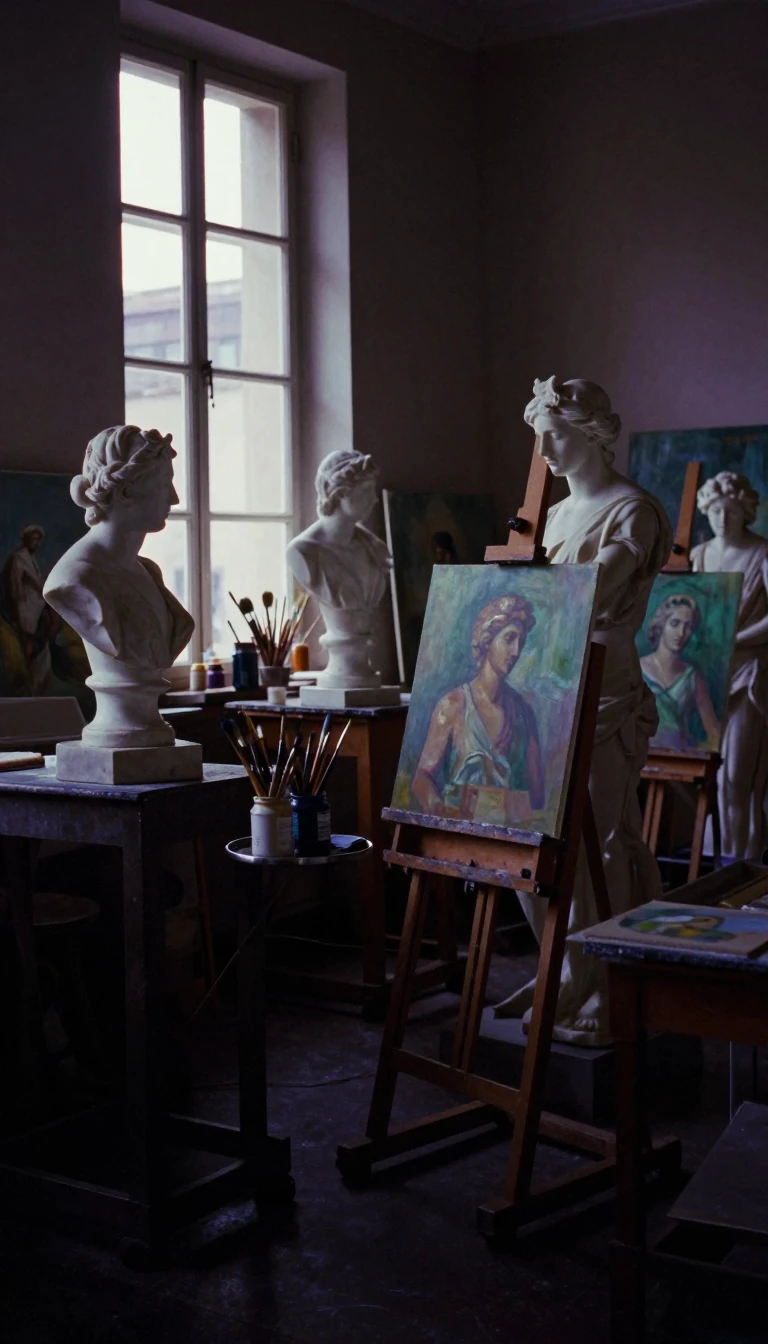
In short: Camille Claudel is more than a portrait of a 19th-century artist; it is a visceral exploration of genius, betrayal, and institutional erasure. Starring Isabelle Adjani and Gérard Depardieu, this French masterpiece captures the intense, crumbling bond between Claudel and Auguste Rodin, revealing the heavy price of defying societal expectations.
Released in 1988 and directed by Bruno Nuytten, the film chronicles the life of Camille Claudel, a sculptor whose career was defined by both immense talent and profound personal tragedy. The screenplay draws from a book by Reine-Marie Paris, the granddaughter of Claudel’s brother, Paul. It traces the trajectory of Claudel’s life starting in the 1880s, when she first encountered the established sculptor Auguste Rodin. Their relationship, which functioned as a common-law marriage, was marked by a volatile mix of artistic collaboration and romantic obsession.
The narrative highlights the systemic barriers Claudel faced as a female artist in a male-dominated field. While her father initially supported her iconoclastic, secular work, her mother—a devout socialite—harbored deep resentment toward her daughter’s choices and artistic output. As Rodin’s fame grew and his affections shifted toward another woman, the film depicts the slow disintegration of Claudel’s professional and emotional stability. Following her father’s death, her mother gained control over her inheritance, effectively cutting off her financial independence and ability to secure commissions.
The film serves as a harrowing look at the intersection of mental health and familial control. As Claudel’s confidence in her own work wavered, she spiraled into emotional tumult. The story juxtaposes the efforts of her brother, Paul, who attempted to promote her art, against the cold determination of her mother, who sought to have her institutionalized. With over 2.7 million admissions in France and critical acclaim—including a 92% score on Rotten Tomatoes and multiple César Awards—the film remains a definitive, if painful, examination of a brilliant life stifled by the prejudices of its time.
The production itself was a significant undertaking, with principal photography commencing on 14 September 1987. Isabelle Adjani, who co-produced the film, delivered a performance that earned her a Silver Bear at the Berlin International Film Festival and an Academy Award nomination for Best Actress. By centering Claudel’s perspective, the film forces a confrontation with the historical erasure of women whose contributions were often overshadowed by the men they worked alongside.
Opens the Intellect+ feed with this card first. Swipe up for the next one.
Sources
- Summary by Intellect · source: Camille Claudel (film)
To cite this card, link to https://intellectplus.co.uk/app/entertainment-camille-claudel-film.
How we source, check and correct cards: Editorial standards.
General information, not professional advice. Spotted an error? Flag the card or see corrections and complaints.
Intellect Plus is a visual educational discovery platform for exploring fascinating facts and ideas. Brain Food, Not Brain Rot. What is Intellect Plus?
Related
More in Films · More in Entertainment · Latest · A–Z · All topics
