How Michael Haneke’s Code Unknown captures the messy, intersecting reality of modern urban life
In short: In his 2000 masterpiece, director Michael Haneke weaves together the disparate lives of Parisians through a series of unedited long takes. By focusing on misunderstandings and the friction of human connection, the film challenges viewers to confront the ambiguity of reality, communication, and the barriers we build between ourselves.
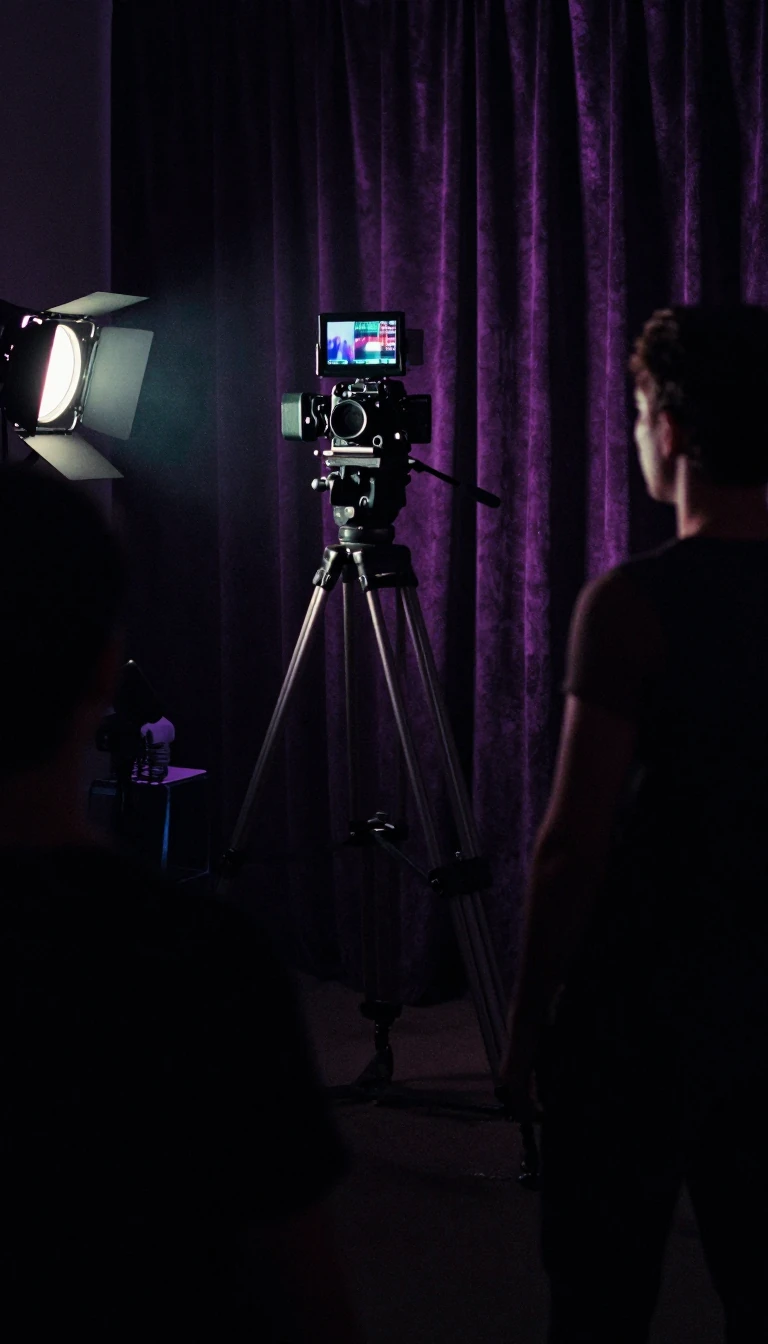
Code Unknown, or Code inconnu: Récit incomplet de divers voyages, is a 2000 co-production between France, Germany, and Romania. Directed by Michael Haneke and inspired by the life of novelist and war reporter Olivier Weber, the film eschews traditional narrative structure. Instead, it utilizes unedited long takes filmed in real time, only cutting when the perspective shifts between characters during a scene. This stylistic choice forces the audience to inhabit the same temporal space as the subjects, heightening the sense of immediacy and discomfort.
The narrative centers on the intersection of several lives in Paris, often triggered by small, seemingly inconsequential acts of cruelty or misunderstanding. When Jean, the brother of Anne’s boyfriend Georges, throws pastry remnants at a homeless Romanian woman named Maria, the resulting altercation leads to the arrest of a bystander, Amadou, and Maria’s eventual deportation. These threads continue to fray as characters grapple with personal trauma, such as Georges’s struggle to reintegrate into civilian life after his time in Kosovo, and Anne’s haunting, unresolved encounters with the sounds of domestic abuse in her apartment building.
The film is deeply concerned with the limits of communication. This is visually represented by a recurring motif involving deaf children playing charades, struggling to convey fear and vulnerability through sign language. The film’s final shot, an untranslated gesture from a child, underscores the central theme: that some codes of human experience remain fundamentally inaccessible. Whether exploring the apathy of bystanders or the stark contrast between the lives of the privileged and the displaced, Haneke refuses to provide easy answers, leaving the viewer to navigate the cryptic, incomplete accounts of his characters' journeys.
Critical reception has been largely positive, with the film holding a 75% approval rating on Rotten Tomatoes and a 74/100 on Metacritic. It competed at the 2000 Cannes Film Festival and was recognized in the 2012 Sight & Sound polls by directors including Ruben Östlund. By blurring the lines between fiction and reality, the film remains a challenging, resonant meditation on the difficulty of truly knowing one another.
Opens the Intellect+ feed with this card first. Swipe up for the next one.
Sources
- Summary by Intellect · source: Code Unknown
- Also: Wikidata — Code Unknown · CC0
To cite this card, link to https://intellectplus.co.uk/app/entertainment-code-unknown.
How we source, check and correct cards: Editorial standards.
General information, not professional advice. Spotted an error? Flag the card or see corrections and complaints.
Intellect Plus is a visual educational discovery platform for exploring fascinating facts and ideas. Brain Food, Not Brain Rot. What is Intellect Plus?
Related
More in Films · More in Entertainment · Latest · A–Z · All topics
