A bridge of no strategic value became the site of a tragic, forgotten sacrifice.
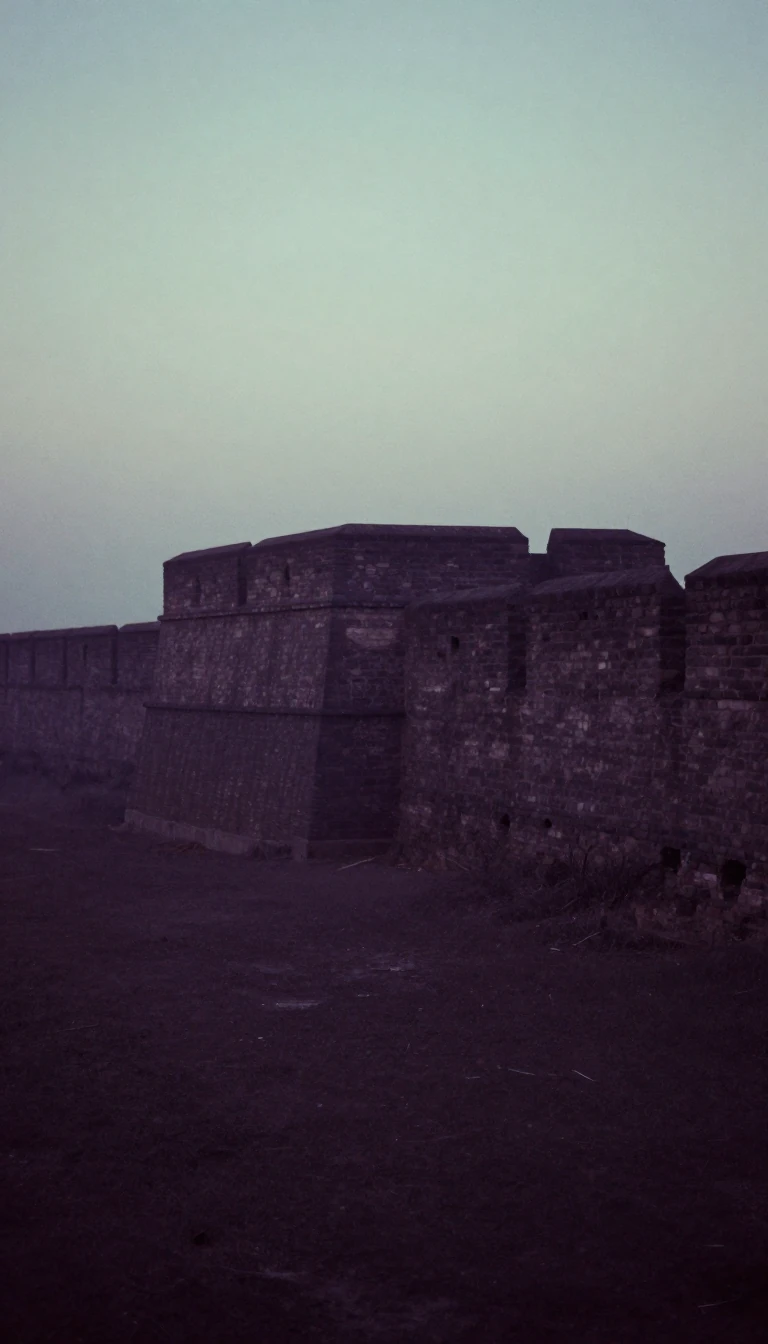
In short: In the final days of World War II, seven German schoolboys were tasked with defending a bridge that was slated for demolition. Their naive commitment to duty, fueled by propaganda, led to a senseless slaughter that was deemed so unimportant it never appeared in any official war communique.
Directed by Bernhard Wicki and released in 1959, Die Brücke is a seminal anti-war film based on the 1958 novel by Gregor Dorfmeister. The narrative follows seven 16-year-old boys who, despite their personal adolescent struggles, are swept into the chaos of the closing days of World War II. After being recruited into a local unit, they are left to guard a bridge that their commanders intended to destroy anyway. When their supervising officer is killed by mistake, the boys remain at their post, clinging to the fanatical belief that defending a single square meter of ground is equivalent to defending Germany itself.
The film’s power lies in its unflinching portrayal of the transition from youthful innocence to the visceral horrors of combat. As American forces approach, the boys face a trio of tanks and infantry support. Their resistance, while militarily futile, results in the death of almost every member of the group. The tragedy is compounded by the arrival of a German demolition squad, whose commander mocks the boys' sacrifice as the work of 'nincompoops' rather than heroes. This stark contrast between the boys' perceived duty and the cold indifference of their own military leadership underscores the film's anti-war message.
Die Brücke was a timely production for West Germany, arriving just years after the 1955 creation of the Bundeswehr and the 1956 introduction of conscription. Its impact was immediate, earning international acclaim including a Golden Globe for Best Foreign Language Film and an Academy Award nomination. The film’s legacy remains significant, influencing director Bernhard Wicki’s later work on The Longest Day and continuing to be studied for its raw intensity. A 2008 television remake failed to capture the original's gravity, further cementing the 1959 version as a definitive cinematic exploration of the futility of war.
Opens the Intellect+ feed with this card first. Swipe up for the next one.
Sources
- Summary by Intellect · source: Die Brücke (film)
To cite this card, link to https://intellectplus.co.uk/app/entertainment-die-br-cke-film.
How we source, check and correct cards: Editorial standards.
General information, not professional advice. Spotted an error? Flag the card or see corrections and complaints.
Intellect Plus is a visual educational discovery platform for exploring fascinating facts and ideas. Brain Food, Not Brain Rot. What is Intellect Plus?
Related
More in Films · More in Entertainment · Latest · A–Z · All topics
