How a legendary Western director built a masterpiece by ignoring the need for plot
In short: Howard Hawks famously told Robert Mitchum there was no story in El Dorado, only characters. This approach resulted in a 1966 Western that critics praised for its effortless, laconic charm. Despite a production process that felt like revisiting past work, the film remains a definitive pairing of Hollywood icons.
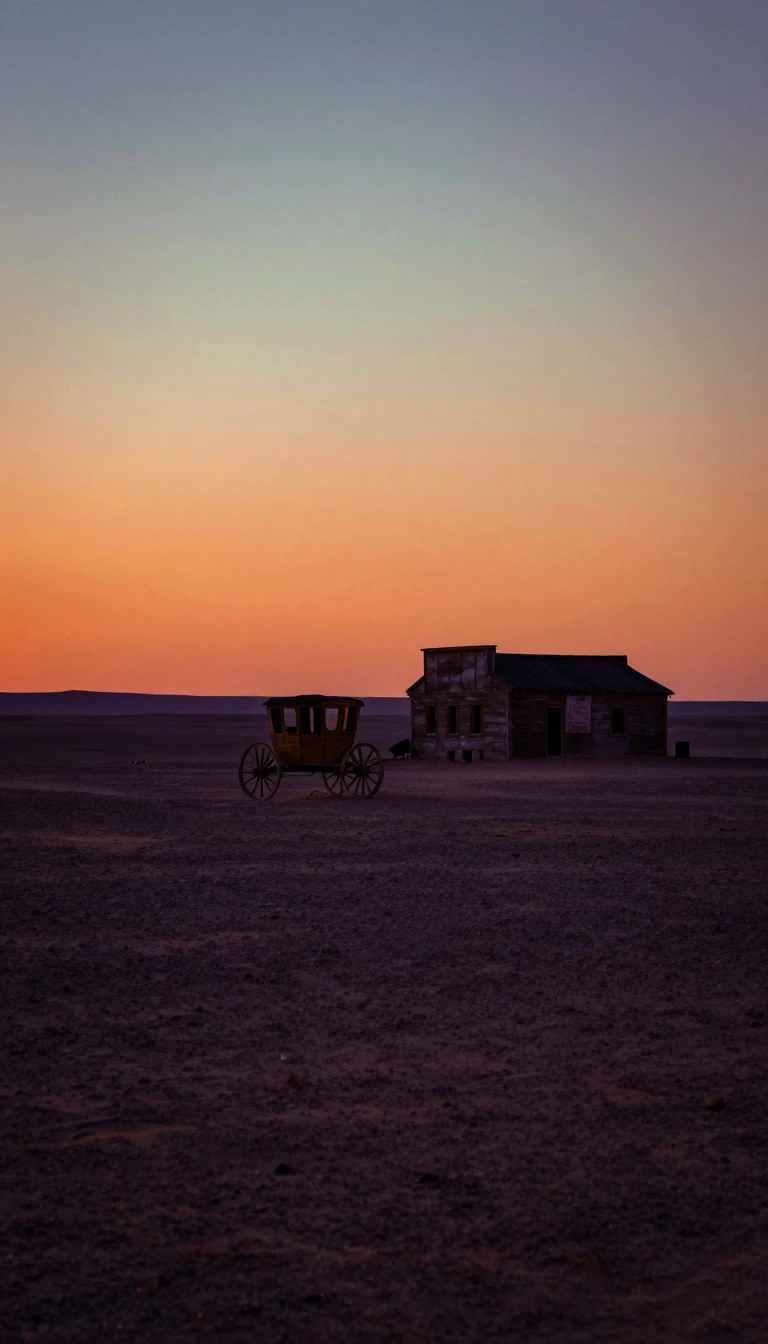
Directed by Howard Hawks, El Dorado (1966) serves as the second installment in a thematic trilogy—sandwiched between Rio Bravo (1959) and Rio Lobo (1970)—centered on a sheriff defending his office against outlaws. The film stars John Wayne as gunfighter Cole Thornton and Robert Mitchum as J.P. Harrah, a sheriff struggling with alcoholism. Their dynamic, described by Mitchum as a series of isolated scenes rather than a cohesive narrative, was captured at Old Tucson Studios and Kanab, Utah, between October 1965 and January 1966.
The production was marked by a sense of repetition. Screenwriter Leigh Brackett initially penned a script where Wayne’s character died, but Hawks insisted on revisiting the spirit of Rio Bravo. This creative friction frustrated Brackett, yet the resulting film was a commercial success, earning $5,950,000 in North American rentals. The release was strategically delayed until June 1967 to avoid box-office competition with another Wayne film, The War Wagon, which had opened just a month prior.
Beyond the star power, the film is noted for its technical and artistic contributions. Cinematographer Harold Rosson, who had retired in 1958, was coaxed back for this final project before returning to retirement. The film also features the artwork of Olaf Wieghorst and a score by Nelson Riddle. Its enduring legacy is cemented by its 96% approval rating on Rotten Tomatoes and its inclusion in the Western Writers of America’s top-100 Western songs list, thanks to its theme song, which paraphrases Edgar Allan Poe’s poem, "Eldorado."
The film’s influence extends even to the end of Wayne’s career. Footage from El Dorado was repurposed for the opening montage of The Shootist (1976), Wayne’s final film, to provide historical context for his character. Whether viewed as a "tough, laconic" Western or a masterclass in character-driven filmmaking, El Dorado stands as a testament to the collaborative chemistry of three industry veterans: Hawks, Wayne, and Mitchum.
Opens the Intellect+ feed with this card first. Swipe up for the next one.
Sources
- Summary by Intellect · source: El Dorado (1966 film)
To cite this card, link to https://intellectplus.co.uk/app/entertainment-el-dorado-1966-film.
How we source, check and correct cards: Editorial standards.
General information, not professional advice. Spotted an error? Flag the card or see corrections and complaints.
Intellect Plus is a visual educational discovery platform for exploring fascinating facts and ideas. Brain Food, Not Brain Rot. What is Intellect Plus?
Related
More in Films · More in Entertainment · Latest · A–Z · All topics
