How a 2015 survival film recreated the brutal reality of the 1996 Everest disaster
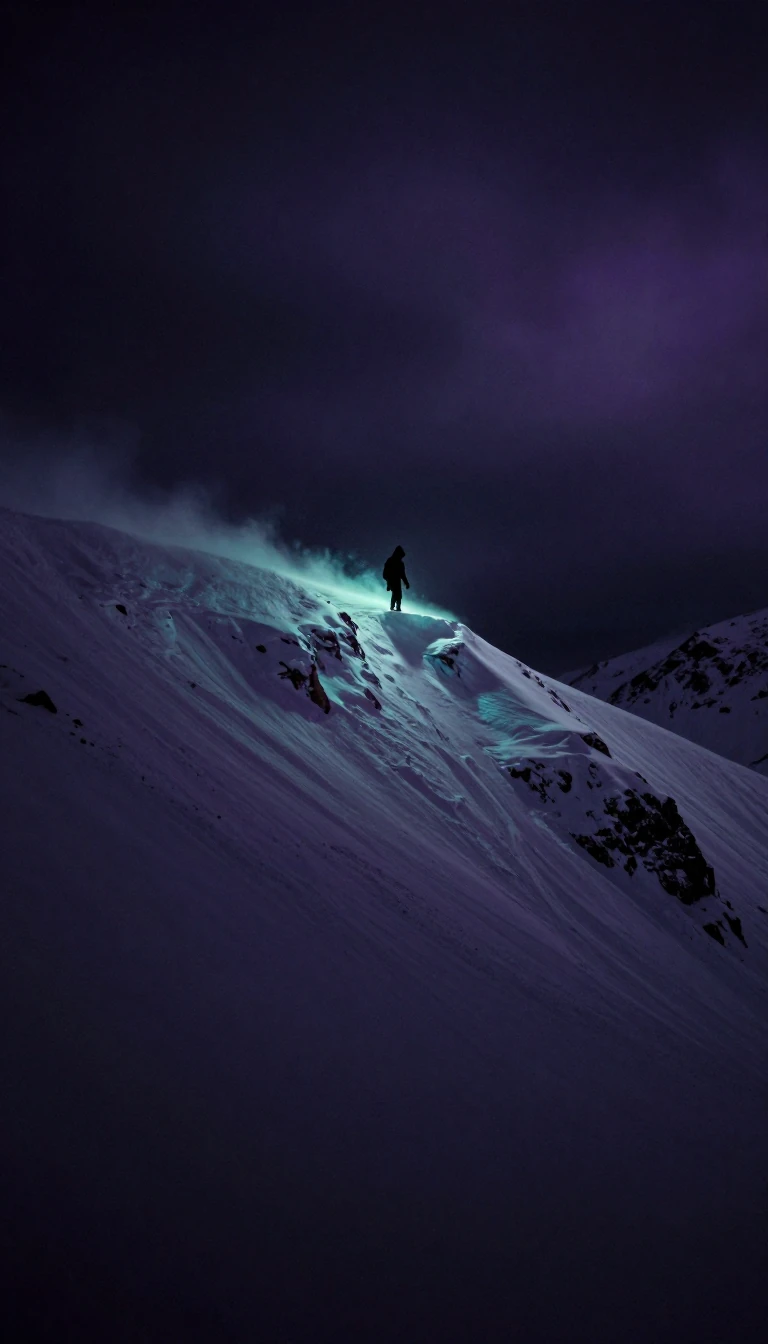
In short: To capture the lethal conditions of the 1996 Mount Everest tragedy, the production of Everest went to extreme lengths. From filming in the Italian Alps to constructing massive, refrigerated sets at Pinewood Studios, the team used 100,000-watt lights and sub-zero temperatures to force actors to feel the mountain's unforgiving, frozen reality.
Directed by Baltasar Kormákur, the 2015 film Everest dramatizes the 1996 disaster that claimed the lives of eight climbers, including expedition leaders Rob Hall and Scott Fischer. The narrative follows two commercial groups as they attempt to summit the mountain, only to be trapped by a catastrophic blizzard. The film highlights the logistical failures and human errors that turned a commercial dream into a struggle for survival, ultimately focusing on the harrowing experiences of climbers like Beck Weathers and the tragic loss of those who perished in the storm.
The production was a massive undertaking that spanned multiple continents, including shoots in Nepal, Iceland, and Italy. To achieve the necessary visual authenticity, the crew built elaborate sets at Pinewood Studios in England, including the Hillary Step and Camp IV. Cinematographer Salvatore Totino utilized giant SoftSun lights to replicate the intense, crisp sunlight found at high altitudes. In a bid to elicit genuine performances, the team refrigerated portions of the set to roughly 26 to 28 degrees Fahrenheit, allowing actors to experience the physical toll of the freezing environment.
The film was a commercial success, grossing $203.4 million worldwide against a $55 million budget. Despite its box office performance and generally positive critical reception, the film faced controversy. Jon Krakauer, author of the book Into Thin Air, publicly denounced the movie, claiming that certain details were fabricated and defamatory. Director Kormákur countered these criticisms by asserting that the film did not rely on Krakauer’s account as primary source material, arguing that the author’s version of events conflicted with other records of the disaster. This tension highlights the ongoing difficulty of adapting complex, real-world tragedies into cinematic narratives while balancing historical accuracy with dramatic storytelling.
Opens the Intellect+ feed with this card first. Swipe up for the next one.
Sources
- Summary by Intellect · source: Everest (2015 film)
To cite this card, link to https://intellectplus.co.uk/app/entertainment-everest-2015-film.
How we source, check and correct cards: Editorial standards.
General information, not professional advice. Spotted an error? Flag the card or see corrections and complaints.
Intellect Plus is a visual educational discovery platform for exploring fascinating facts and ideas. Brain Food, Not Brain Rot. What is Intellect Plus?
Related
More in Films · More in Entertainment · Latest · A–Z · All topics
