Can a film about a soul-selling scholar capture the essence of the Russian mentality?
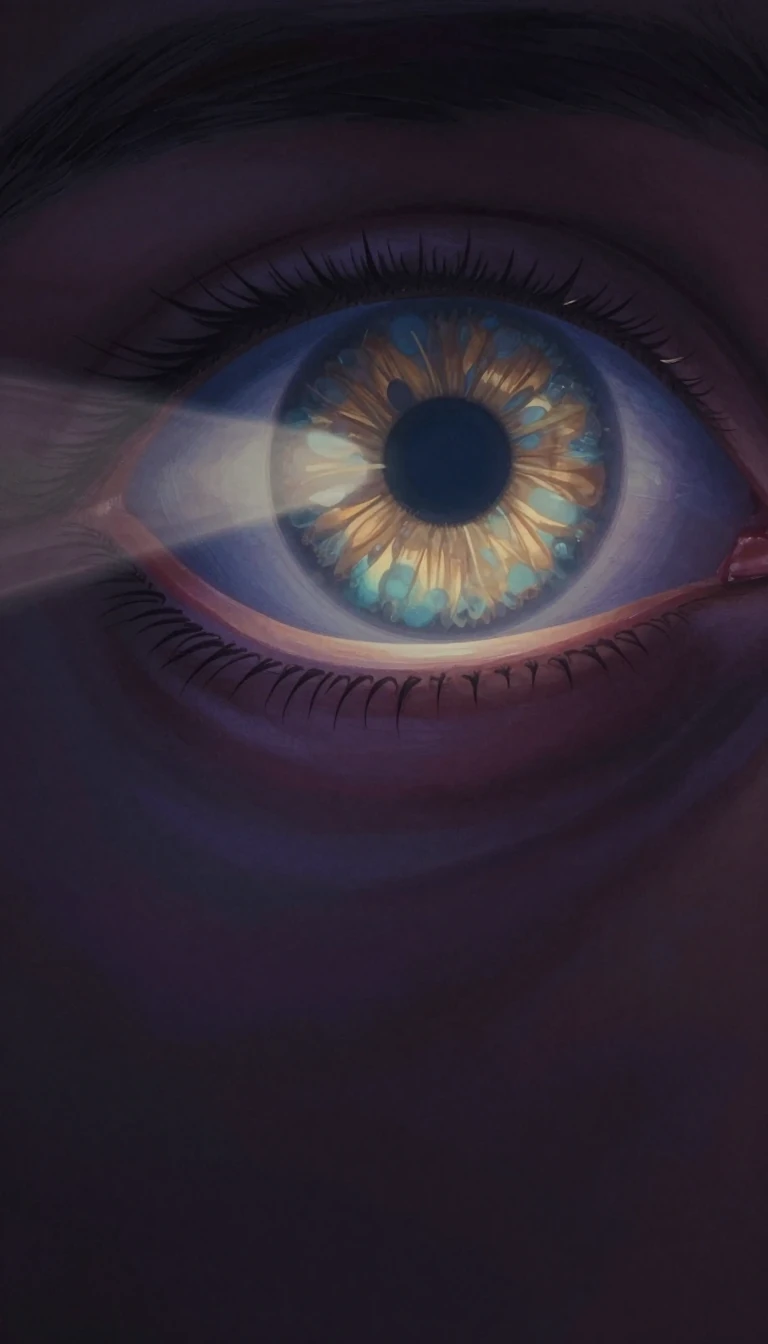
In short: Alexander Sokurov’s 2011 masterpiece reimagines the classic legend of Heinrich Faust, a scholar obsessed with uncovering the secrets of existence. By trading his soul for a night of desire, Faust descends into a dark, visceral world. This visually striking film explores the corrupting nature of power and human ambition.
Directed by Alexander Sokurov, this 2011 production serves as the final installment in a quartet examining the corrosive influence of power. While previous entries focused on historical figures like Adolf Hitler, Vladimir Lenin, and Hirohito, this film shifts toward a free interpretation of the Faustian myth. Drawing inspiration from Johann Wolfgang von Goethe and Thomas Mann, the narrative follows Heinrich Faust, played by Johannes Zeiler, as he navigates a grotesque 19th-century landscape alongside the moneylender Mauricius, a physical manifestation of Mephistopheles.
The production was a significant cultural undertaking for Russia, intended to bridge the gap between Russian and European sensibilities. Filmed across the Czech Republic, Germany, and Iceland, the project utilized a budget of eight million euros. Visually, the film draws heavily from Flemish and Dutch painting traditions, particularly the works of David Teniers and Herri met de Bles, resulting in a distinct aesthetic of mottled gray tones that critics have described as both mesmerizing and bewildering.
Upon its release, the film received critical acclaim, notably securing the top honor at the 68th Venice International Film Festival. Jury president Darren Aronofsky praised the work for its transformative impact on the viewer. Despite its success, some critics suggest that the film's idiosyncratic nature and departure from traditional literary adaptations may prove challenging for audiences unfamiliar with Sokurov’s unique cinematic language. Ultimately, the film remains a profound meditation on the human condition, driven by Faust's desperate search for the soul's location and his eventual confrontation with the nihilism of his companion.
Opens the Intellect+ feed with this card first. Swipe up for the next one.
Sources
- Summary by Intellect · source: Faust (2011 film)
- Also: Wikidata — Faust (2011 film) · CC0
To cite this card, link to https://intellectplus.co.uk/app/entertainment-faust-2011-film.
How we source, check and correct cards: Editorial standards.
General information, not professional advice. Spotted an error? Flag the card or see corrections and complaints.
Intellect Plus is a visual educational discovery platform for exploring fascinating facts and ideas. Brain Food, Not Brain Rot. What is Intellect Plus?
Related
More in Films · More in Entertainment · Latest · A–Z · All topics
