Federico Fellini’s 1976 portrait of Casanova reveals a man defined by his own emptiness
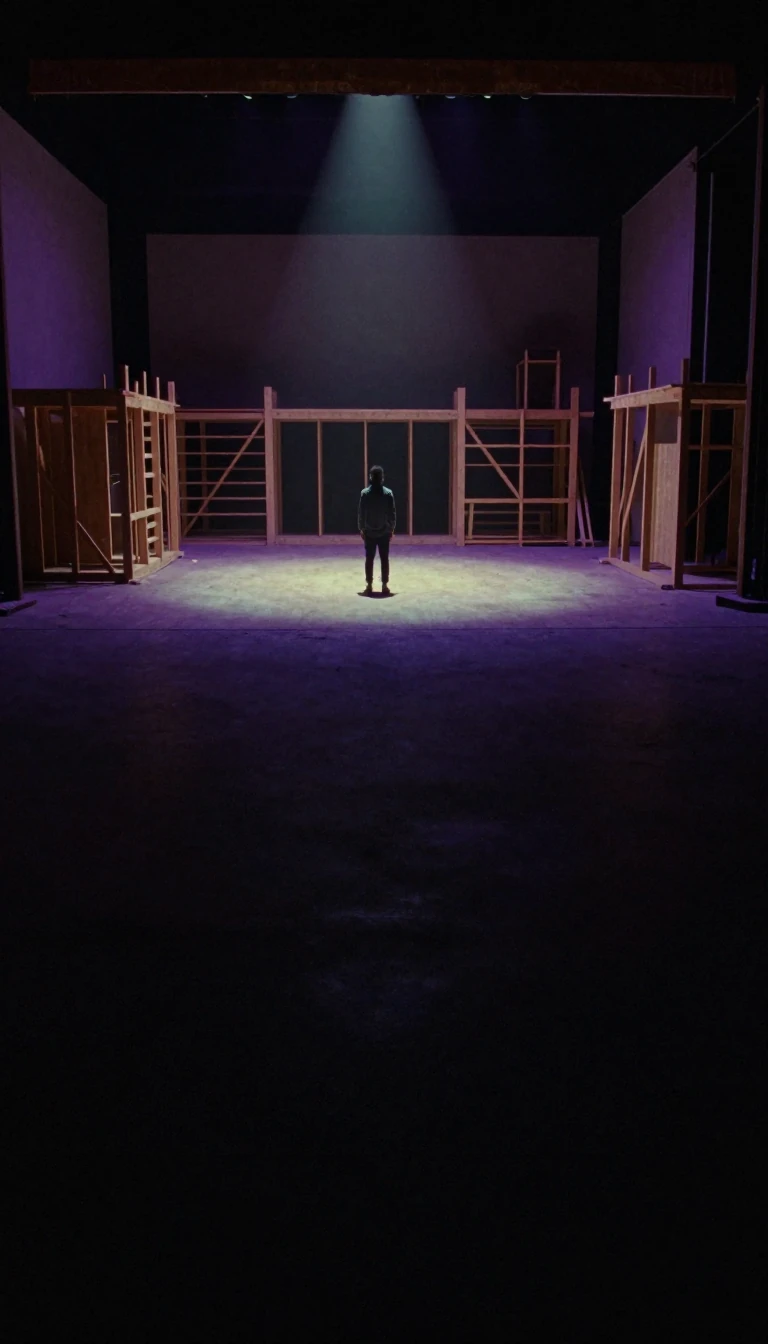
In short: Director Federico Fellini famously despised his subject, Giacomo Casanova, aiming to expose the void at the center of the legendary adventurer's life. By casting Donald Sutherland in a grotesque, prosthetic-heavy role, Fellini transformed a historical icon into a detached, methodical figure whose desperate search for respect is constantly thwarted by obsession.
Released in 1976, Fellini's Casanova was a departure for the director, marking his first English-language production. The film is a highly stylized, symbolic interpretation of the 18th-century Venetian adventurer's autobiography. Rather than a romanticized biopic, Fellini presents a series of disjointed, often bizarre encounters—from a voyeuristic island tryst to an arm-wrestling match with a giantess at a frost fair—that emphasize the protagonist's profound isolation. Throughout the narrative, Casanova’s intellectual ambitions, particularly his interest in alchemy and invention, are consistently ignored by the decadent, orgiastic courts he inhabits.
The production process was as turbulent as the film's surreal imagery. Shot entirely at Rome's Cinecittà studios, the project faced a major setback on August 27, 1975, when approximately seventy reels of film were stolen from the Technicolor labs in Tiburtino. This theft, which also targeted other films like Pier Paolo Pasolini's Salò, forced the production to reshoot elaborate sequences, including the Venice carnival. Fellini’s casting choices were equally deliberate; he rejected producer Dino De Laurentiis's suggestion of Robert Redford, opting instead for Donald Sutherland. To achieve the desired grotesque aesthetic, Fellini required Sutherland to shave his head and wear prosthetic nose and chin pieces.
The film’s visual and auditory language, crafted with frequent collaborator Nino Rota, earned significant critical recognition, including an Academy Award for Best Costume Design for Danilo Donati and BAFTA awards for costume and production design. Despite these accolades, the film remains a stark character study. In his final years, the elderly Casanova is reduced to a mocked librarian in Dux, clinging to dreams of past lovers and a mechanical doll named Rosalba. It is a haunting conclusion to a life that Fellini viewed not as a triumph of passion, but as a hollow performance of desire.
Opens the Intellect+ feed with this card first. Swipe up for the next one.
Sources
- Summary by Intellect · source: Fellini's Casanova
- Also: Fellini's Casanova
To cite this card, link to https://intellectplus.co.uk/app/entertainment-fellini-s-casanova.
How we source, check and correct cards: Editorial standards.
General information, not professional advice. Spotted an error? Flag the card or see corrections and complaints.
Intellect Plus is a visual educational discovery platform for exploring fascinating facts and ideas. Brain Food, Not Brain Rot. What is Intellect Plus?
Related
More in Films · More in Entertainment · Latest · A–Z · All topics
