When Godzilla faced his final meltdown, the world mourned a cinematic icon in 1995.
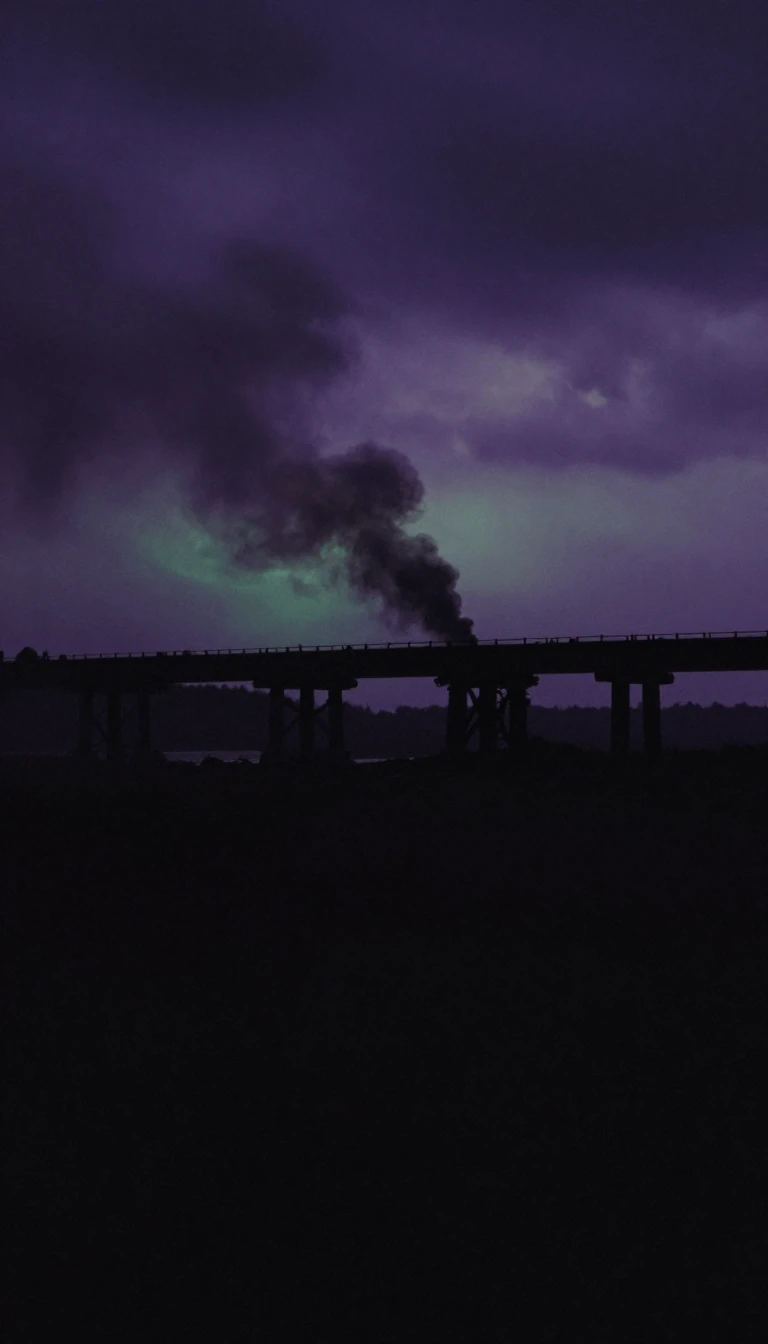
In short: Toho shocked audiences by announcing the death of their most famous monster. In this 1995 finale, Godzilla’s internal nuclear reactor begins to fail, threatening to incinerate the planet. As a lethal, mutated adversary emerges from the deep, the creature must confront his own mortality in a grand, tragic conclusion.
Released in December 1995, Godzilla vs. Destoroyah served as the dramatic conclusion to the franchise's Heisei period. The plot centers on Godzilla’s heart, which functions like a nuclear reactor, suffering a critical malfunction. Scientists warn that if his body temperature hits 1,200 °C, he will trigger a thermonuclear explosion capable of destroying all life on Earth. This existential threat is compounded by the appearance of Destoroyah, a creature born from the ancient, mutated remains of organisms exposed to the original 1954 Oxygen Destroyer weapon.
The production was marked by a sense of finality. Composer Akira Ifukube, who scored the original 1954 film, returned to write the music, approaching the score as if composing his own requiem. The film’s marketing leaned heavily into the gravity of the event, with promotional materials declaring that Godzilla would die. Fans even gathered at a bronze statue of the monster in Tokyo to leave coins and tobacco as offerings, reflecting the character's deep cultural resonance after four decades.
Behind the scenes, the production faced significant technical challenges. The suit used for Godzilla was embedded with 200 light bulbs and covered in vinyl, which proved hazardous for actor Kenpachiro Satsuma, who nearly suffocated multiple times due to gas emissions. While the film was a commercial success, selling approximately 4 million tickets in Japan, it also marked a transition point. Toho intended to pause the series to allow for international adaptations, though they eventually returned to the character in 1999 with the start of the Millennium era.
Critical reception remains varied. Some reviewers praise the film for its emotional weight and visual grandeur, noting that it treats the monster with a level of seriousness reminiscent of the 1954 original. Others, such as historian Steve Ryfle, have criticized the design of the antagonist, Destoroyah, as being less than menacing. Regardless of these critiques, the film remains a pivotal entry, remembered for its unique attempt to provide a definitive end to a legendary cinematic legacy.
Opens the Intellect+ feed with this card first. Swipe up for the next one.
Sources
- Summary by Intellect · source: Godzilla vs. Destoroyah
- Also: Wikidata — Godzilla vs. Destoroyah · CC0
To cite this card, link to https://intellectplus.co.uk/app/entertainment-godzilla-vs-destoroyah.
How we source, check and correct cards: Editorial standards.
General information, not professional advice. Spotted an error? Flag the card or see corrections and complaints.
Intellect Plus is a visual educational discovery platform for exploring fascinating facts and ideas. Brain Food, Not Brain Rot. What is Intellect Plus?
Related
More in Films · More in Entertainment · Latest · A–Z · All topics
