Godzilla: The Radioactive Metaphor That Evolved From Atomic Nightmare to Global Pop Icon
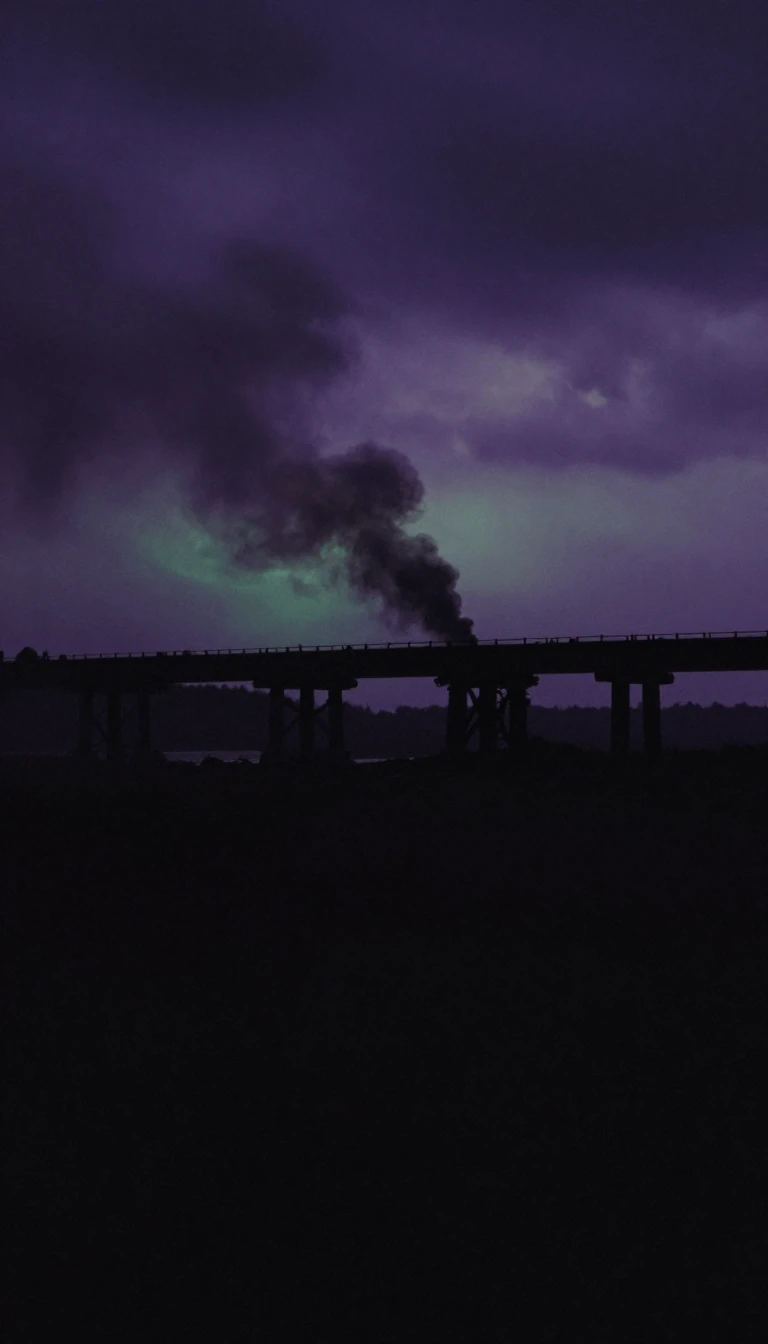
In short: Born from the trauma of nuclear testing, Godzilla began as a terrifying embodiment of atomic destruction. Over seven decades, this prehistoric monster has shape-shifted from a villainous force of nature into an anti-hero, a superhero, and a cultural touchstone that continues to dominate cinema, even winning an Academy Award.
First appearing in 1954, Godzilla was conceived as a visceral metaphor for the nuclear bombings of Hiroshima and Nagasaki. The creature’s design, featuring skin textures inspired by keloid scars, served as a grim reminder of the atomic age. Early films portrayed the monster as a violent, prehistoric sea creature awakened by nuclear testing, lacking moral agency and acting as a Shinto-style 'God of Destruction' that leveled cities before allowing for rebirth.
The character’s evolution reflects shifting societal anxieties. By the 1964 film Ghidorah, the monster transitioned from a villain to an anti-hero, eventually being labeled a 'superhero' by the 1970s. This shift was not without controversy; some original filmmakers lamented the loss of the monster’s destructive, fearful essence. Throughout its history, Godzilla’s size has fluctuated—from 50 meters in 1954 to 300 meters in 2017—to ensure it remained a towering threat against ever-growing city skylines.
Beyond the screen, Godzilla has become a fiercely protected corporate asset. Toho Co., Ltd. has aggressively litigated to prevent the character from becoming a generic trademark, targeting everything from unauthorized commercials to the naming of a French death metal band. Despite these legal battles, the monster’s cultural footprint is undeniable, influencing the tokusatsu genre and inspiring countless international imitations, from South Korea’s Yongary to the United Kingdom’s Gorgo.
The technical craft behind the icon has also transformed. Originally portrayed by actors in heavy, heat-trapping latex suits—a technique called suitmation—the character is now frequently rendered through CGI and motion capture. This technical progression culminated in 2024, when Godzilla Minus One secured the Academy Award for Best Visual Effects, marking the first time a film in the franchise has received such an honor.
Opens the Intellect+ feed with this card first. Swipe up for the next one.
Sources
- Summary by Intellect · source: Godzilla
To cite this card, link to https://intellectplus.co.uk/app/ideas-godzilla.
How we source, check and correct cards: Editorial standards.
General information, not professional advice. Spotted an error? Flag the card or see corrections and complaints.
Intellect Plus is a visual educational discovery platform for exploring fascinating facts and ideas. Brain Food, Not Brain Rot. What is Intellect Plus?
Related
More in Writers · More in Ideas & Philosophy · Latest · A–Z · All topics
