How a 1984 reboot brought Godzilla back to his terrifying, anti-nuclear roots
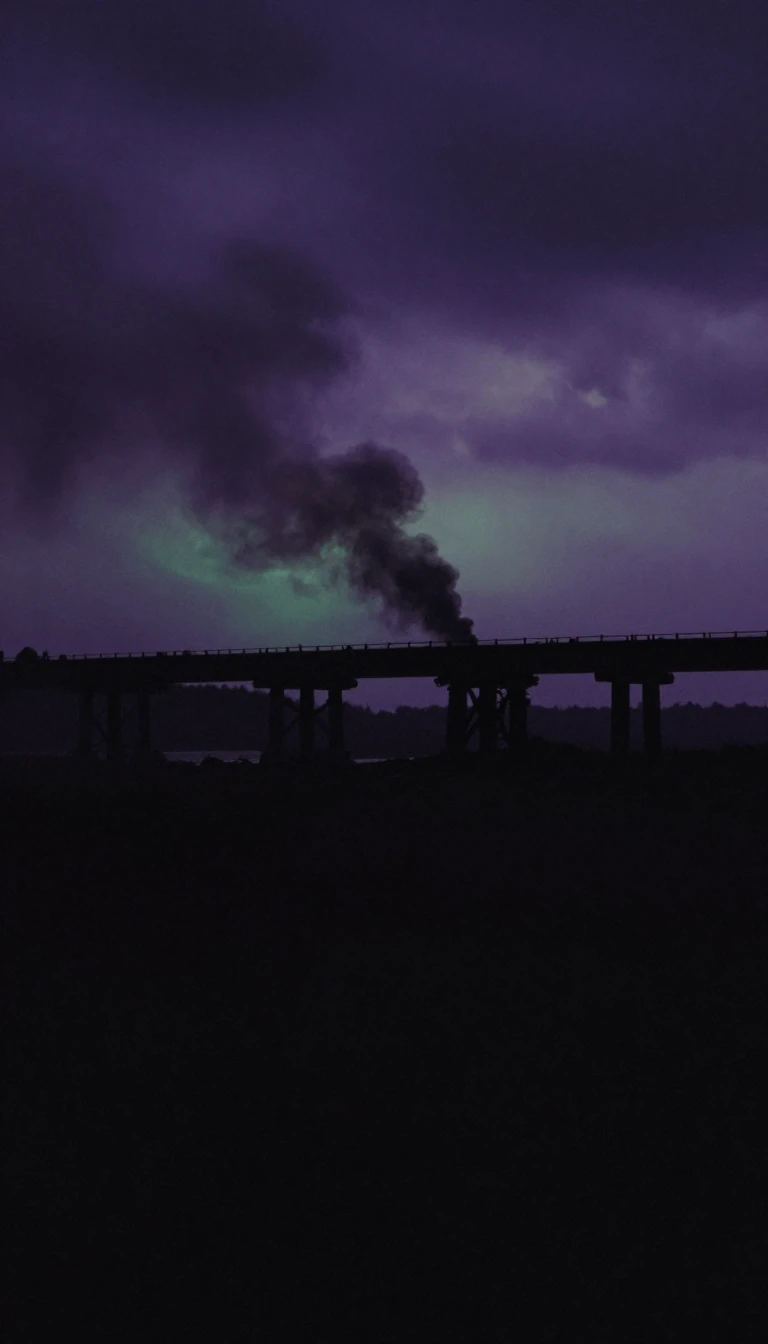
In short: After a decade of dormancy, Toho revived its iconic monster to reclaim the serious, somber tone of the 1954 original. By ignoring the franchise's increasingly heroic sequels, the 1984 film re-established Godzilla as a living, invincible nuclear weapon, sparking a new era of cinematic destruction and complex international political intrigue.
Following the commercial underperformance of 1975's Terror of Mechagodzilla, the Godzilla franchise entered a long hiatus. Producer Tomoyuki Tanaka, the character's creator, sought to revitalize the series by returning to the dark, anti-nuclear themes that defined the 1954 debut. Inspired by contemporary science-fiction hits like Alien and The Thing, as well as the Three Mile Island accident, Tanaka spent years navigating development hell. He ultimately rejected various Hollywood pitches, including a 3D project by Steve Miner, to ensure the revival remained a strictly domestic Japanese production.
The resulting film, The Return of Godzilla (1984), directed by Koji Hashimoto, featured a redesigned monster. To ensure Godzilla was not dwarfed by Tokyo's modern skyline, his height was increased from 50 to 80 meters. Special effects director Teruyoshi Nakano oversaw the construction of a new suit and a 16-foot robotic 'Cybot' for close-ups. The suit, weighing 110 kilograms, was worn by Kenpachiro Satsuma, who modeled the creature's movements on traditional Noh dance to avoid an overly human appearance. The production also marked a technical milestone as the second Japanese film to utilize computer-generated imagery.
The narrative centers on a new Godzilla emerging from a volcanic eruption, triggering a Cold War standoff between the Soviet Union and the United States. While the Japanese government attempts to contain the monster using a flying fortress called the Super X, the film maintains a grim atmosphere, culminating in Godzilla being lured into a volcanic trap. Despite mixed critical reviews, the film sold 3.2 million tickets in Japan. Its legacy was complicated by the 1985 American localization, Godzilla 1985, which re-edited the film to include Raymond Burr and altered the political subtext, reflecting the differing cultural anxieties surrounding nuclear power during the late Cold War.
Opens the Intellect+ feed with this card first. Swipe up for the next one.
Sources
- Summary by Intellect · source: The Return of Godzilla
- Also: Wikidata — The Return of Godzilla · CC0
To cite this card, link to https://intellectplus.co.uk/app/entertainment-the-return-of-godzilla.
How we source, check and correct cards: Editorial standards.
General information, not professional advice. Spotted an error? Flag the card or see corrections and complaints.
Intellect Plus is a visual educational discovery platform for exploring fascinating facts and ideas. Brain Food, Not Brain Rot. What is Intellect Plus?
Related
More in Films · More in Entertainment · Latest · A–Z · All topics
