How IMAX cameras turned deep space data into a cinematic journey for the masses
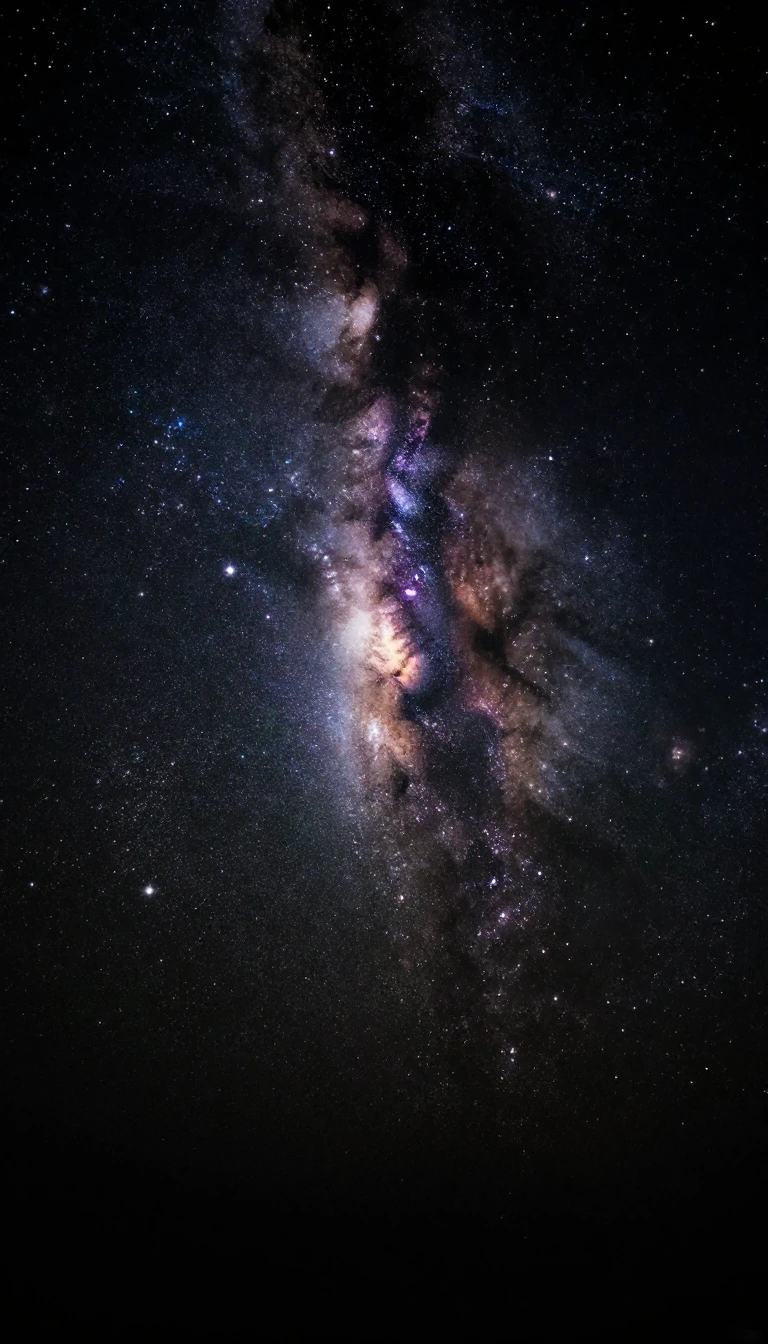
In short: The 2010 documentary Hubble 3D offers a rare, immersive look at the telescope that redefined our view of the cosmos. By blending actual footage from space shuttle missions with complex CGI fly-throughs, the film invites audiences to travel through nebulae and galaxies in a way previously reserved for scientists.
Released in 2010 and directed by Toni Myers, Hubble 3D serves as both a tribute to the Hubble Space Telescope and a technical marvel of documentary filmmaking. The production, a collaboration between IMAX, Warner Bros. Pictures, and NASA, reunites the team behind the 2002 film Space Station 3D. Narrated by Leonardo DiCaprio, the documentary aims to bring the vastness of space to IMAX and 3D theaters, though the narration itself has faced criticism for being overly formal and cliché.
The film’s visual impact relies on a sophisticated marriage of real-world capture and data-driven animation. IMAX cameras were transported into orbit during specific Space Shuttle servicing missions, including STS-61 in December 1993 and the final Hubble mission, STS-125, in May 2009. The latter mission utilized an IMAX 3D camera that carried a full mile of film, yet this massive physical setup yielded only eight minutes and thirty seconds of usable footage. This scarcity of physical film highlights the extreme logistical constraints of shooting in the vacuum of space.
To bridge the gaps between these rare shots, the production team utilized imagery from the Hubble Space Telescope itself. Experts from the Space Telescope Science Institute and the National Center for Supercomputing Applications transformed raw scientific data into CGI sequences. These fly-throughs allow viewers to navigate structures like the Orion Nebula, which spans 90 trillion miles, and witness stellar winds moving at a million miles per hour. The result is a highly acclaimed experience, holding an 86% approval rating on Rotten Tomatoes and a score of 79 on Metacritic, proving that when science is rendered with cinematic precision, it captures the public imagination like few other subjects can.
Opens the Intellect+ feed with this card first. Swipe up for the next one.
Sources
- Summary by Intellect · source: Hubble (film)
- Also: Hubble
To cite this card, link to https://intellectplus.co.uk/app/entertainment-hubble-film.
How we source, check and correct cards: Editorial standards.
General information, not professional advice. Spotted an error? Flag the card or see corrections and complaints.
Intellect Plus is a visual educational discovery platform for exploring fascinating facts and ideas. Brain Food, Not Brain Rot. What is Intellect Plus?
Related
More in Films · More in Entertainment · Latest · A–Z · All topics
