Why the 2011 Jane Eyre adaptation chose to embrace the story's inherent gothic horror
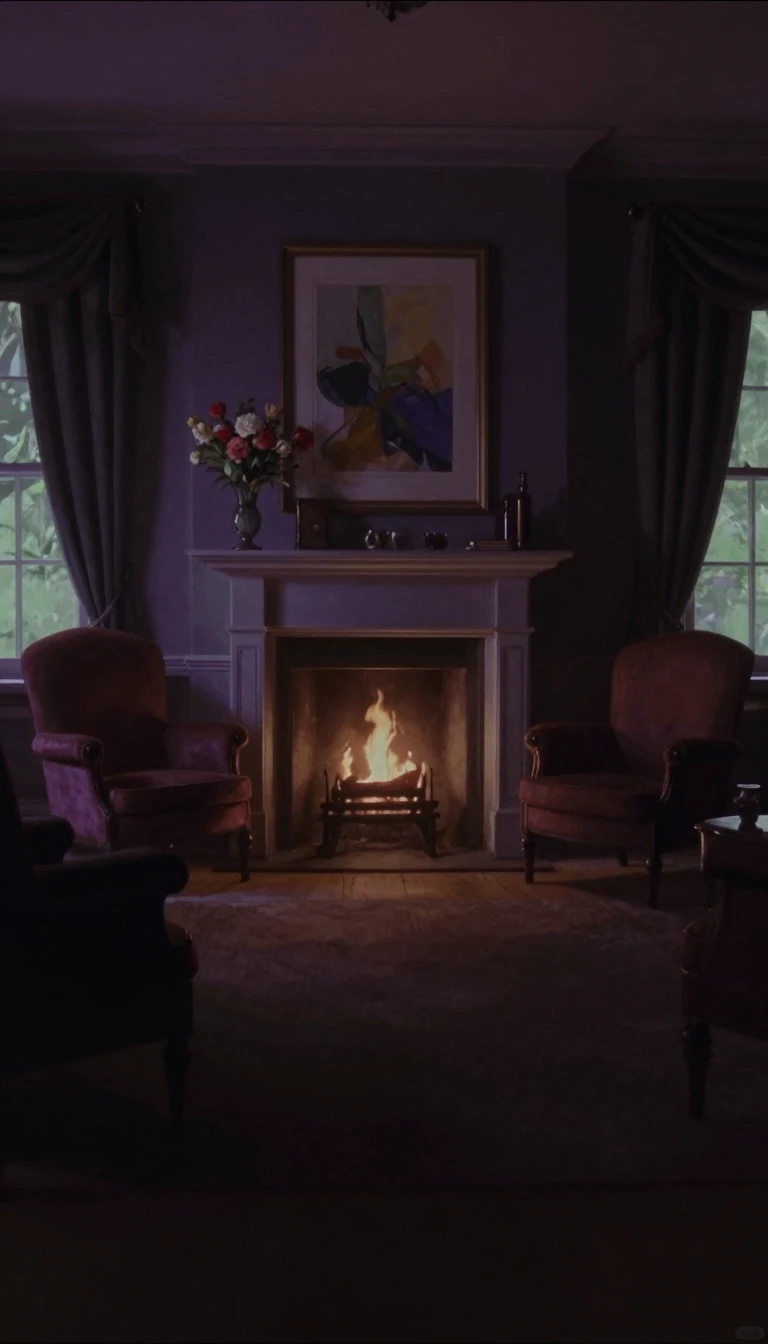
In short: Director Cary Joji Fukunaga rejected the standard period-romance treatment for his 2011 adaptation of Jane Eyre. Instead, he leaned into the source material's haunting, spectral atmosphere. By filming in the bleak, wind-swept landscapes of Northern England, he transformed a classic literary staple into a visceral, chilling, and deeply atmospheric experience.
While Charlotte Brontë’s 1847 novel has seen approximately 24 adaptations, Fukunaga felt most previous versions sanitized the story, treating it as a mere period romance. To capture the 'spookiness' he believed Brontë intended, the production team sought out locations that felt alive with history. They settled on Haddon Hall to represent Thornfield Hall, largely because the site had avoided extensive redecorating. The harsh, unpredictable weather of Derbyshire and the Yorkshire moors provided a natural, horror-inspired backdrop, with twisted trees and extreme conditions that nearly caused lead actress Mia Wasikowska to suffer hypothermia during a rain sequence.
The film’s structure relies heavily on flashbacks to bridge Jane’s traumatic childhood at Lowood School with her isolated adulthood as a governess. This narrative choice, paired with Moira Buffini’s script—which appeared on the 2008 Brit List of best unproduced screenplays—aimed to avoid the stiffness often associated with literary adaptations. Fukunaga specifically sought an actress close to the character's age in the book, choosing Wasikowska for her observational intensity and ability to convey inner turmoil without theatricality. Michael Fassbender was cast as Rochester not for his physical resemblance to the character, but for his ability to embody the master's complex spirit.
The production, supported by BBC Films and Focus Features, prioritized historical authenticity alongside its gothic tone. Costume designer Michael O'Connor, who received an Academy Award nomination for his work, shifted the setting from the 1830s to 1843 to avoid the 'awful' fashion trends of the earlier decade. The film’s critical reception was largely positive, with Rotten Tomatoes reporting an 85% approval rating. Critics praised the balance of emotional detail and vigor, with A. O. Scott noting that the film successfully avoided being a 'stiff exercise in middlebrow cultural respectability' while delivering a definitive portrayal of the title character.
Opens the Intellect+ feed with this card first. Swipe up for the next one.
Sources
- Summary by Intellect · source: Jane Eyre (2011 film)
To cite this card, link to https://intellectplus.co.uk/app/entertainment-jane-eyre-2011-film.
How we source, check and correct cards: Editorial standards.
General information, not professional advice. Spotted an error? Flag the card or see corrections and complaints.
Intellect Plus is a visual educational discovery platform for exploring fascinating facts and ideas. Brain Food, Not Brain Rot. What is Intellect Plus?
Related
More in Films · More in Entertainment · Latest · A–Z · All topics
