How a petty thief became the shadow warrior of a dying Japanese warlord
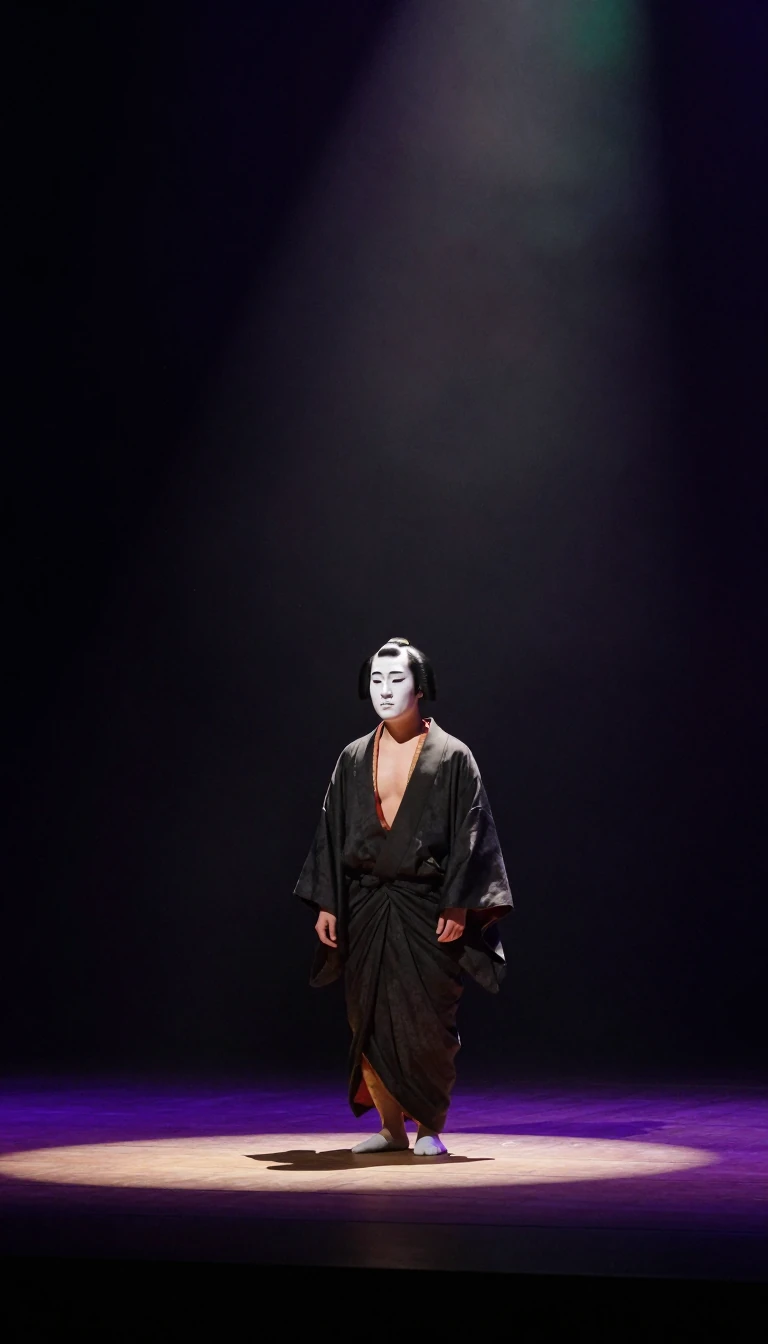
In short: In Akira Kurosawa’s 1980 epic, a condemned thief is spared from execution to serve as a political decoy for the Takeda clan. As he assumes the identity of the late daimyō Takeda Shingen, he must navigate a treacherous web of power, deception, and the inevitable collapse of a legendary dynasty.
Set during the Sengoku period, the film follows a thief recruited by the Takeda clan to impersonate their leader, Takeda Shingen. After Shingen is fatally wounded while listening to a flute in enemy territory, he commands his generals to conceal his death for three years. The thief, initially unaware of the warlord's demise, eventually discovers the body and is cast out, only to return as a willing double after witnessing enemy spies observing the clan's suspicious behavior. He successfully convinces the Takeda retinue by mastering the late lord's mannerisms and gestures, even managing to deceive the warlord's own son, Katsuyori, during a tense council meeting.
The production of Kagemusha was as dramatic as its plot. Akira Kurosawa originally cast Shintaro Katsu, but the actor left the project on the first day after allegedly bringing his own film crew to monitor Kurosawa’s process. He was replaced by Tatsuya Nakadai, who played both the thief and the lord. Financial struggles nearly derailed the film until George Lucas and Francis Ford Coppola stepped in as executive producers, securing international distribution rights for 20th Century-Fox in exchange for covering budget shortfalls. Kurosawa even appeared in Suntory whisky commercials alongside Coppola to help raise the necessary funds.
The film’s visual scale was immense; Kurosawa reportedly used 5,000 extras for the climactic 1575 Battle of Nagashino, though he famously condensed the sequence to just 90 seconds in the final cut. While the film earned critical acclaim, winning the Palme d'Or at the 1980 Cannes Film Festival, it also faced significant editing. The foreign release cut several scenes, including a performance by Kurosawa regular Takashi Shimura, though later home video releases restored these segments. Ultimately, the film serves as a meditation on reality and belief, capturing the tragic downfall of the Takeda clan as they are decimated by the superior firepower of Oda arquebusiers.
Opens the Intellect+ feed with this card first. Swipe up for the next one.
Sources
- Summary by Intellect · source: Kagemusha
- Also: Wikidata — Kagemusha · CC0
- Also: Wikidata — political decoy · CC0
To cite this card, link to https://intellectplus.co.uk/app/entertainment-kagemusha.
How we source, check and correct cards: Editorial standards.
General information, not professional advice. Spotted an error? Flag the card or see corrections and complaints.
Intellect Plus is a visual educational discovery platform for exploring fascinating facts and ideas. Brain Food, Not Brain Rot. What is Intellect Plus?
Related
More in Films · More in Entertainment · Latest · A–Z · All topics
