A half-striped zebra seeks his missing marks in this South African animated adventure film
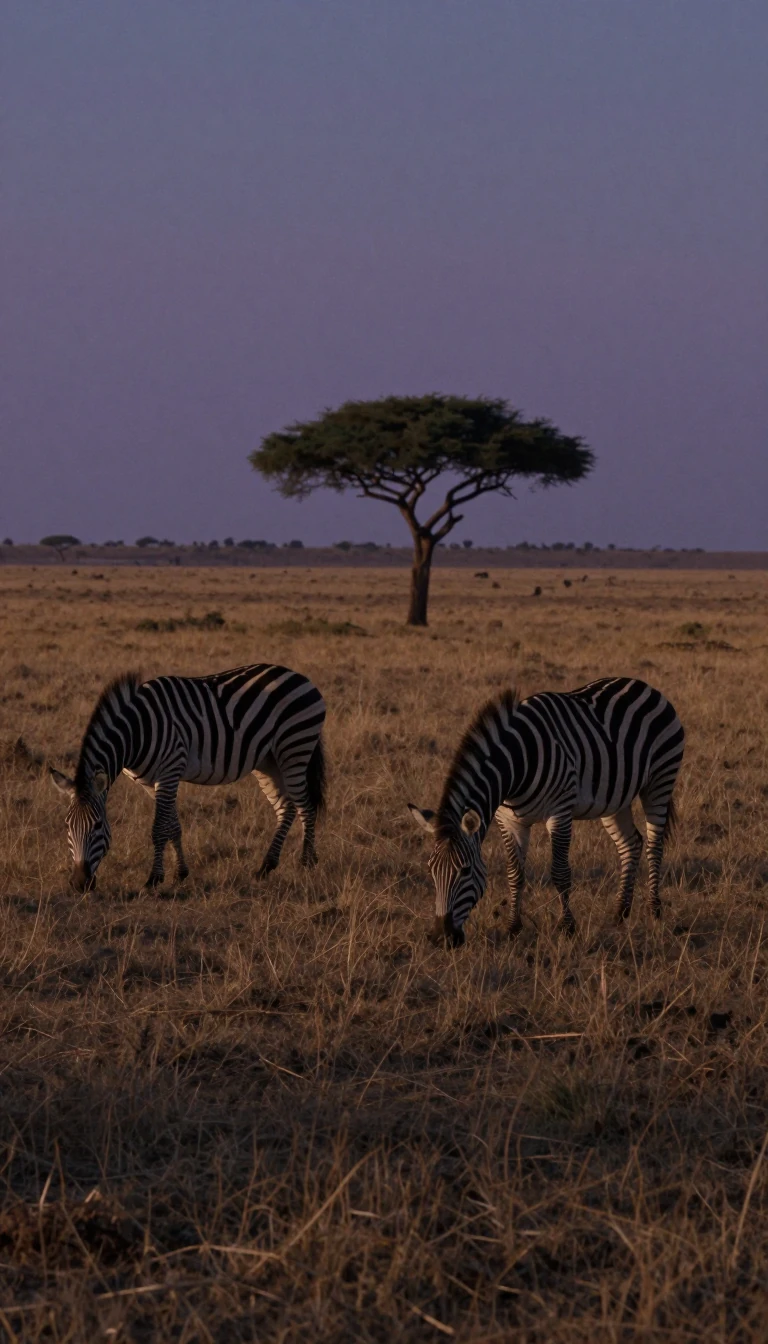
In short: Born with only half his stripes, a young zebra named Khumba is blamed for a devastating drought. Ostracized by his herd, he embarks on a perilous quest to find a legendary watering hole that promises to complete his coat, discovering that his unique difference might actually be his greatest strength.
Released in 2013, Khumba is the second feature film from South Africa's Triggerfish Animation Studios. Directed by Anthony Silverston, the story follows a young zebra who faces rejection from his community after a drought strikes his home in the Great Karoo. His journey is driven by a myth that the first zebras were plain white and only gained their iconic stripes after bathing in a magical watering hole. This quest brings him into contact with a diverse cast of animals, including a maternal wildebeest named Mama V, a neurotic ostrich named Bradley, and an opportunistic African wild dog named Skalk.
The film serves as a tribute to Reinhold Rau, the founder of the Quagga Breeding Project who passed away in 2006. Rau was dedicated to using selective breeding to recreate the extinct quagga, a relative of the plains zebra that was known for its partial striping. This scientific backdrop informs the film's central tension: the conflict between the herd's rigid expectations and the protagonist's physical anomaly. As Khumba traverses the landscape, he is hunted by Phango, a blind leopard who believes an ancient prophecy that consuming a half-striped zebra will grant him supreme power.
While the film features a star-studded voice cast including Liam Neeson, Laurence Fishburne, and Steve Buscemi, it faced a challenging reception. Critics provided mixed reviews, and the film struggled at the box office, grossing $28.4 million against a $20 million budget. Despite its commercial performance, the narrative emphasizes themes of diversity and survival, ultimately suggesting that the very traits that cause an individual to be ostracized can become essential assets for the collective good when faced with environmental collapse.
The production was a significant undertaking for the South African animation industry, premiering at the Toronto International Film Festival in September 2013 before its wider release. The soundtrack, composed by Bruce Retief, further grounds the film in its regional context, featuring local artists and choirs. By blending folklore, environmental struggle, and the legacy of real-world conservation efforts, the film attempts to weave a fable about finding one's place in a world that demands conformity.
Opens the Intellect+ feed with this card first. Swipe up for the next one.
Sources
- Summary by Intellect · source: Khumba
- Also: Khumba
- Also: Wikidata — Khumba · CC0
To cite this card, link to https://intellectplus.co.uk/app/entertainment-khumba.
How we source, check and correct cards: Editorial standards.
General information, not professional advice. Spotted an error? Flag the card or see corrections and complaints.
Intellect Plus is a visual educational discovery platform for exploring fascinating facts and ideas. Brain Food, Not Brain Rot. What is Intellect Plus?
Related
More in Animated series & cartoons · More in Entertainment · Latest · A–Z · All topics
