How a derelict medieval castle became the iconic Shaolin monastery of Kung Fu
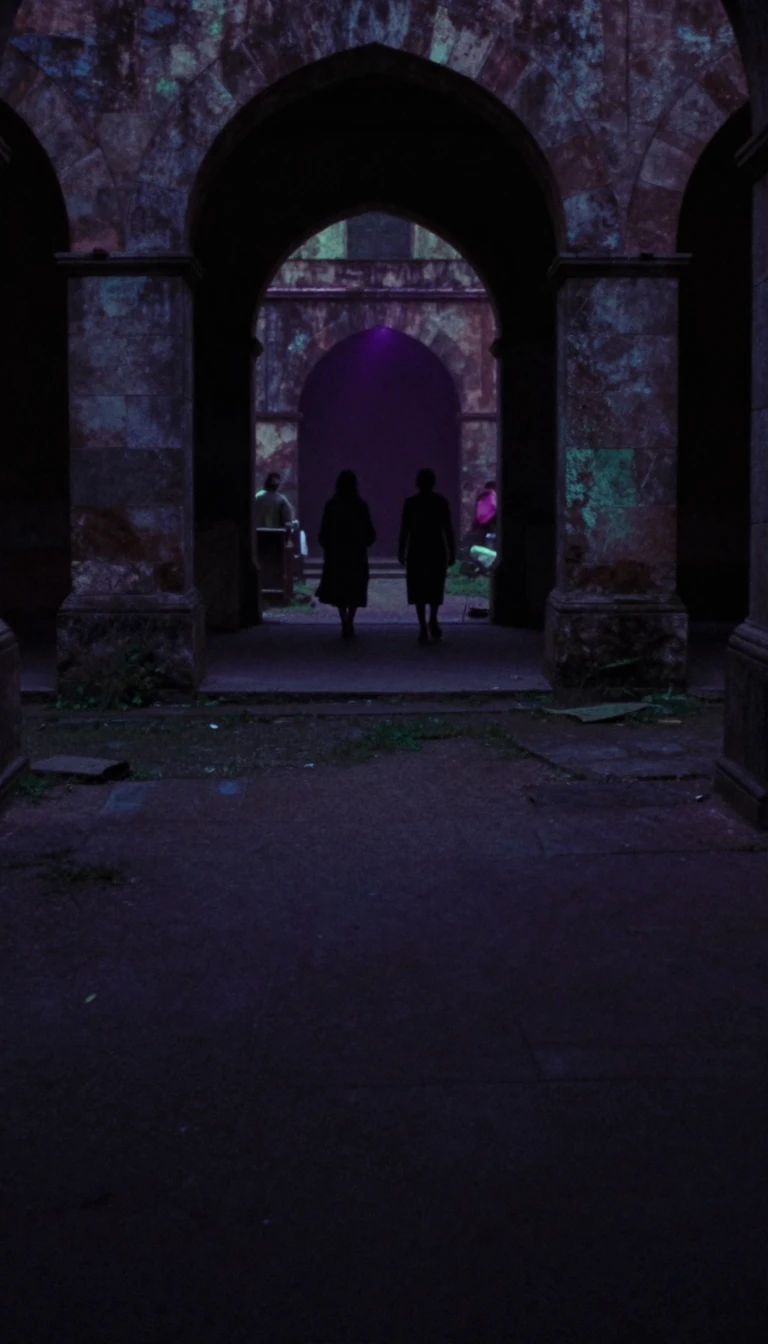
In short: The 1972 series Kung Fu transformed a decaying, unwanted movie set into a legendary spiritual sanctuary. By repurposing a leftover castle from the 1967 film Camelot, art director Eugène Lourié created an atmospheric, budget-friendly monastery that defined the show's visual identity and helped launch a global martial arts phenomenon.
When producer Jerry Thorpe greenlit the Kung Fu pilot in 1971, he faced the constraints of a limited television budget. He turned to art director Eugène Lourié, who identified a massive, derelict castle on the Warner Bros. backlot originally built for the 1967 film Camelot. Lourié noted that the structure remained standing only because demolition costs were prohibitive. With minimal funds, Lourié repurposed the medieval castle into a second- or third-century Shaolin monastery, adding characteristic roofs, wood-carved doors, and ceramic-grilled windows to suggest a Chinese aesthetic for Western audiences.
Lourié’s design strategy relied on visual suggestion rather than expensive construction. For the temple interiors, he utilized the existing stone walls of the Camelot set but introduced a church-like atmosphere with burning candles, constant haze, and dramatic light rays. By showing only portions of the set, he encouraged viewers to complete the environment in their own minds. This resourceful approach allowed the production to maintain high visual standards despite the financial limitations of television, turning the monastery into a signature element of the series.
The show, starring David Carradine as the Shaolin monk Kwai Chang Caine, debuted in February 1972. It quickly became a cultural touchstone, peaking as the number-one show in America by May 1973 with 28 million viewers. While the series was lauded for its unique blend of Western drama and Taoist philosophy, its production was a masterclass in creative recycling. The same set that housed Caine’s training was later used for the 1973 musical Lost Horizon, proving that Lourié’s inexpensive modifications were both effective and versatile enough to anchor multiple major productions.
Opens the Intellect+ feed with this card first. Swipe up for the next one.
Sources
- Summary by Intellect · source: Kung Fu (1972 TV series)
To cite this card, link to https://intellectplus.co.uk/app/entertainment-kung-fu-1972-tv-series.
How we source, check and correct cards: Editorial standards.
General information, not professional advice. Spotted an error? Flag the card or see corrections and complaints.
Intellect Plus is a visual educational discovery platform for exploring fascinating facts and ideas. Brain Food, Not Brain Rot. What is Intellect Plus?
Related
More in TV series · More in Entertainment · Latest · A–Z · All topics
