The Nine Days' Queen: A Tragic Romance Caught in the Gears of Tudor Power
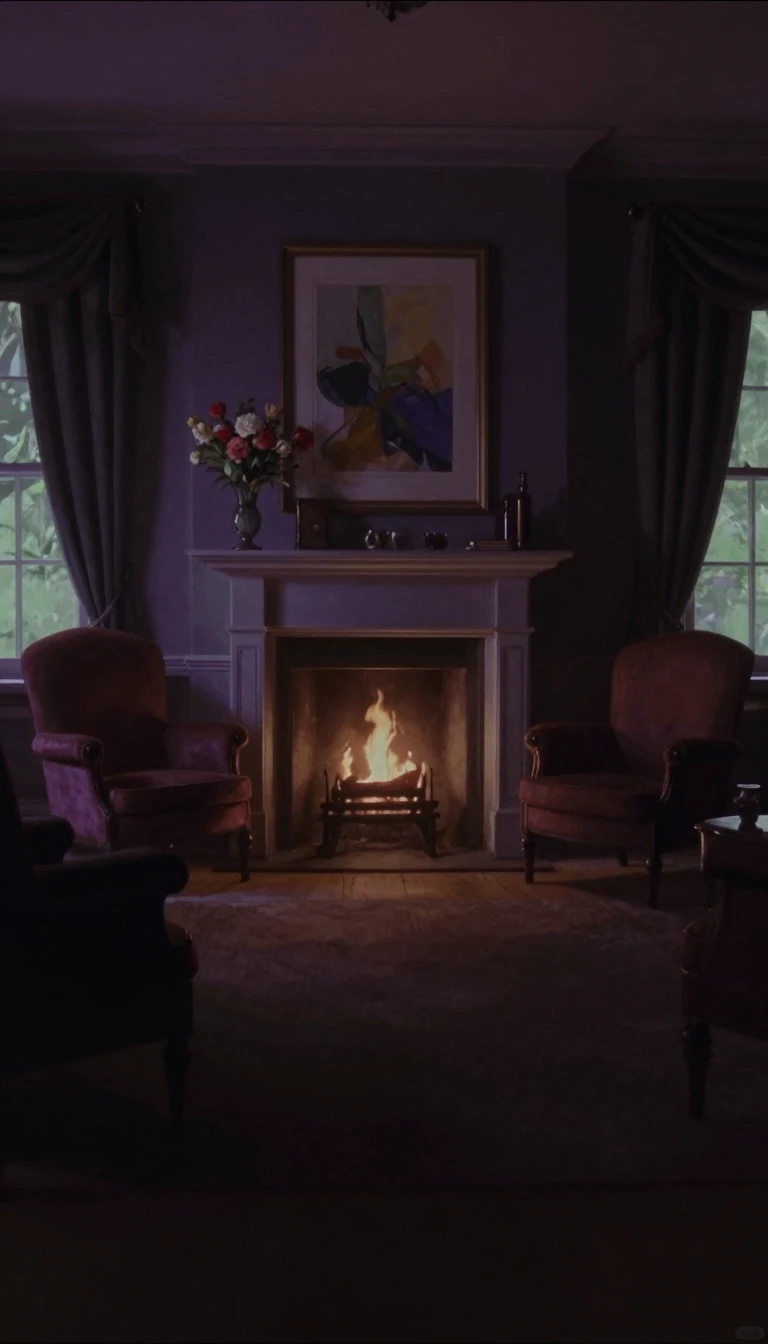
In short: Directed by Trevor Nunn and starring Helena Bonham Carter, the 1986 film Lady Jane reimagines the short, turbulent reign of Lady Jane Grey. It depicts a young woman forced into a political marriage, only to find love while navigating a treacherous landscape of religious reform, royal succession, and eventual execution.
The narrative centers on the power vacuum following the death of King Henry VIII. His successor, the young King Edward VI, suffers from tuberculosis, prompting John Dudley, 1st Duke of Northumberland, to orchestrate a desperate scheme. To ensure England remains Protestant and prevent the Catholic Princess Mary from ascending the throne, Dudley arranges a marriage between his son, Lord Guildford Dudley, and Lady Jane Grey. The film portrays the king’s final days as a period of intense suffering, with the royal physician tasked with keeping Edward alive just long enough to name Jane his heir.
Initially, the marriage is a cold arrangement, forced upon Jane through corporal punishment by her parents. However, the film explores a transformation as the couple develops a genuine, deep affection for one another. Once Jane ascends the throne, she finds herself caught between the expectations of her handlers and her own conscience. Rather than remaining a mere puppet for the Duke of Northumberland, Jane attempts to assert her own authority and implement reforms, a move that quickly alienates her council and leads to her downfall after only nine days.
The historical tragedy concludes with the rise of Queen Mary I and the failure of a rebellion led by Jane’s father, the Duke of Suffolk. Despite an offer of clemency contingent upon her renouncing her Protestant faith, Jane refuses to compromise her beliefs. This defiance leads to the execution of Jane, her father, and her husband. The film’s production utilized various historic sites to capture this era, including Dover Castle, which stood in for the Tower of London, and interior scenes filmed at Hever Castle and Haddon Hall, grounding the romantic drama in the tangible architecture of the English past.
While the film received mixed critical reception, holding a 56% approval rating on Rotten Tomatoes based on nine reviews, it resonated more positively with audiences, who awarded it a B+ grade on CinemaScore. It remains a notable entry in the genre of costume-historical dramas, following in the footsteps of earlier adaptations like the 1936 film Tudor Rose and the 1923 silent feature Lady Jane Grey; Or, The Court of Intrigue.
Opens the Intellect+ feed with this card first. Swipe up for the next one.
Sources
- Summary by Intellect · source: Lady Jane (1986 film)
To cite this card, link to https://intellectplus.co.uk/app/entertainment-lady-jane-1986-film.
How we source, check and correct cards: Editorial standards.
General information, not professional advice. Spotted an error? Flag the card or see corrections and complaints.
Intellect Plus is a visual educational discovery platform for exploring fascinating facts and ideas. Brain Food, Not Brain Rot. What is Intellect Plus?
Related
More in Films · More in Entertainment · Latest · A–Z · All topics
