How Kirk Douglas became Vincent van Gogh in the 1956 classic Lust for Life
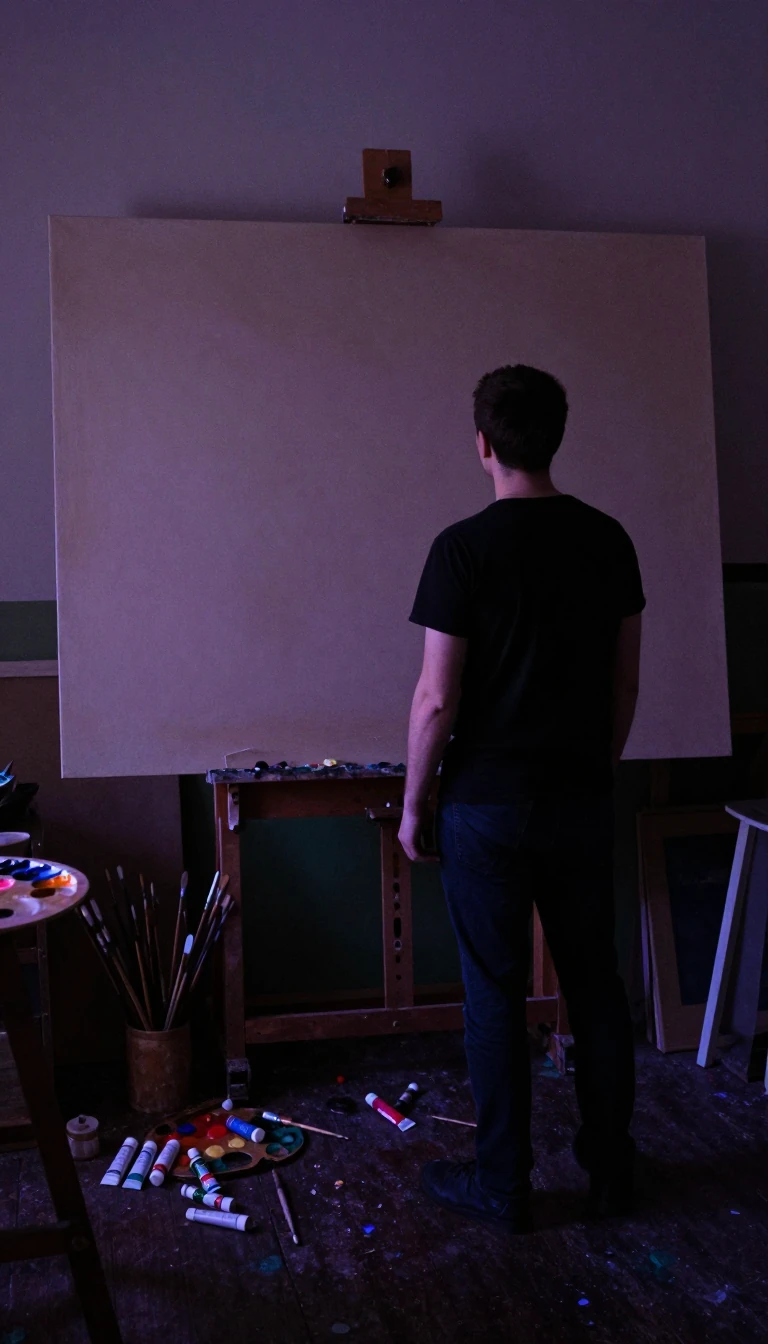
In short: Kirk Douglas was so immersed in his portrayal of Vincent van Gogh that he struggled to leave the character behind after filming. This biographical drama, directed by Vincente Minnelli, captured the artist's turbulent life and creative obsession, earning critical acclaim while ultimately failing to turn a profit at the box office.
Released in 1956, Lust for Life was based on Irving Stone’s 1934 novel and adapted for the screen by Norman Corwin. Producer John Houseman spent nearly a decade attempting to bring the project to fruition. The film follows the painter’s journey from his failed attempts at ministry in a mining community to his eventual descent into mental illness and suicide. It highlights his complex relationships, particularly with his brother Theo, who provided essential support, and his volatile friendship with Paul Gauguin.
The production sought authenticity by filming on location in France, Belgium, and the Netherlands. To visually represent the artist's work, the team utilized two hundred enlarged color photographs of his paintings, supplemented by copies created by art teacher Robert Parker. Critics praised the film’s innovative use of color and composition to mirror the painter's internal state. Bosley Crowther of The New York Times lauded the design team for using hues and visual flow as forceful tools to convey a cinematic understanding of the artist's perspective.
Kirk Douglas received an Academy Award nomination for his intense performance, while Anthony Quinn won the Oscar for Best Supporting Actor for his portrayal of Gauguin. Despite these accolades and a record-breaking 37-week run at a New York theater, the film was a financial disappointment, resulting in a loss of over $2 million. Some contemporary reviewers, such as those at The Monthly Film Bulletin, felt the movie remained too tethered to the popular novel, describing the performance as an Americanized study of neurosis rather than a definitive portrait of the artist.
The film's legacy persists through its influence on later biographical works and its occasional re-emergence in classic cinema discussions. A promotional short, Van Gogh: Darkness Into Light, was even produced to accompany the release, featuring a woman who claimed to have met the painter in her youth. While the film may not have fully satisfied those seeking a deep psychological dive into the artist's mind, it remains a significant effort to translate the raw intensity of his creative drive onto the screen.
Opens the Intellect+ feed with this card first. Swipe up for the next one.
Sources
- Summary by Intellect · source: Lust for Life (1956 film)
- Also: Lust for Life | Biographical Drama, Kirk Douglas, Vincente Minnelli | Britannica
To cite this card, link to https://intellectplus.co.uk/app/entertainment-lust-for-life-1956-film.
How we source, check and correct cards: Editorial standards.
General information, not professional advice. Spotted an error? Flag the card or see corrections and complaints.
Intellect Plus is a visual educational discovery platform for exploring fascinating facts and ideas. Brain Food, Not Brain Rot. What is Intellect Plus?
Related
More in Films · More in Entertainment · Latest · A–Z · All topics
