How a 2009 animated blockbuster pioneered the modern era of stereoscopic 3D cinema
In short: Before it was a standard feature, DreamWorks Animation bet big on stereoscopic 3D with Monsters vs. Aliens. By integrating the technology into the production process rather than converting it later, the studio set a new technical benchmark, requiring 45.6 million computing hours and massive server power to bring its monsters to life.
Released in March 2009, Monsters vs. Aliens marked a pivotal shift for DreamWorks Animation. It was the studio's first feature produced natively in stereoscopic 3D, a decision that added $15 million to the budget. This commitment to the format was so central to the film's identity that the studio utilized Intel's InTru3D technology and even aired a 3D trailer during Super Bowl XLIII, distributing special glasses to viewers at grocery stores to ensure the gimmick reached the public.
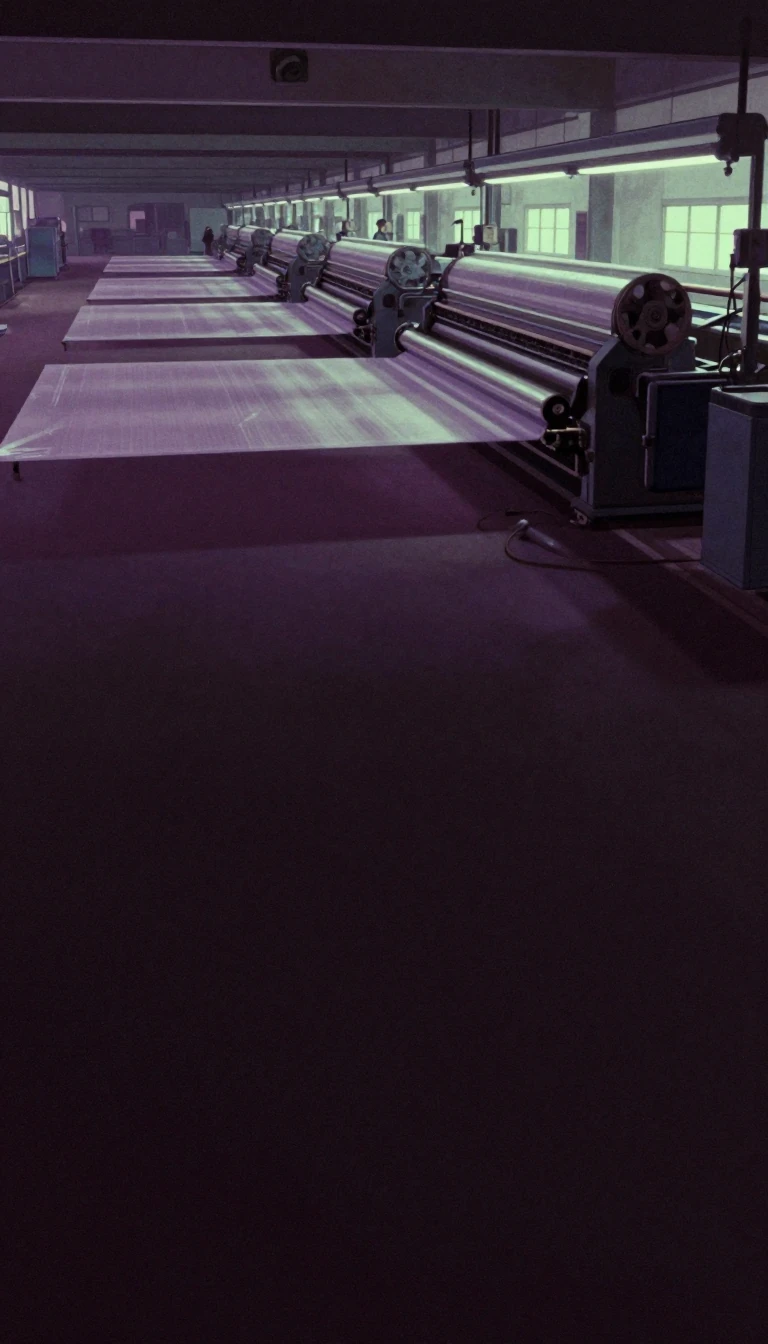
The technical demands were unprecedented. CTO Ed Leonard noted that the production required approximately 45.6 million computing hours—more than eight times the effort needed for the original Shrek. The animation team relied on hundreds of HP workstations and a render farm featuring over 9,000 processor cores to process 120 terabytes of data. For a single explosion scene alone, the team consumed 6 terabytes of storage, illustrating the immense scale of digital infrastructure required for high-end animation at the time.
While the film was a box-office success, grossing $381.5 million worldwide against a $175 million budget, its legacy is complex. Critics offered mixed reviews, with some noting a lack of depth compared to competitors like Pixar's Up. Despite the commercial performance, former CEO Jeffrey Katzenberg later signaled a shift away from the parody-heavy tone of films like Monsters vs. Aliens, noting that such projects struggled to resonate in international markets. The franchise eventually expanded into television specials and a 2013 series, though the latter was short-lived, ending after one season due to low ratings.
The film's creative roots were equally transformative. It evolved from a planned adaptation of a horror comic called Rex Havoc into an original story that satirized 1950s and 1960s B-movie tropes. Characters like Ginormica and B.O.B. were designed as affectionate nods to genre classics, yet they were given distinct personalities to ground the spectacle. This blend of technical ambition and nostalgic homage defined the film's unique place in the history of computer-generated imagery.
Opens the Intellect+ feed with this card first. Swipe up for the next one.
Sources
- Summary by Intellect · source: Monsters vs. Aliens
- Also: Wikidata — Monsters vs. Aliens · CC0
- Also: Wikidata — Monsters vs. Aliens · CC0
To cite this card, link to https://intellectplus.co.uk/app/entertainment-monsters-vs-aliens.
How we source, check and correct cards: Editorial standards.
General information, not professional advice. Spotted an error? Flag the card or see corrections and complaints.
Intellect Plus is a visual educational discovery platform for exploring fascinating facts and ideas. Brain Food, Not Brain Rot. What is Intellect Plus?
Related
More in Animated series & cartoons · More in Entertainment · Latest · A–Z · All topics
