A 1961 Polish masterpiece explores the terrifying intersection of religious fervor and human desire.
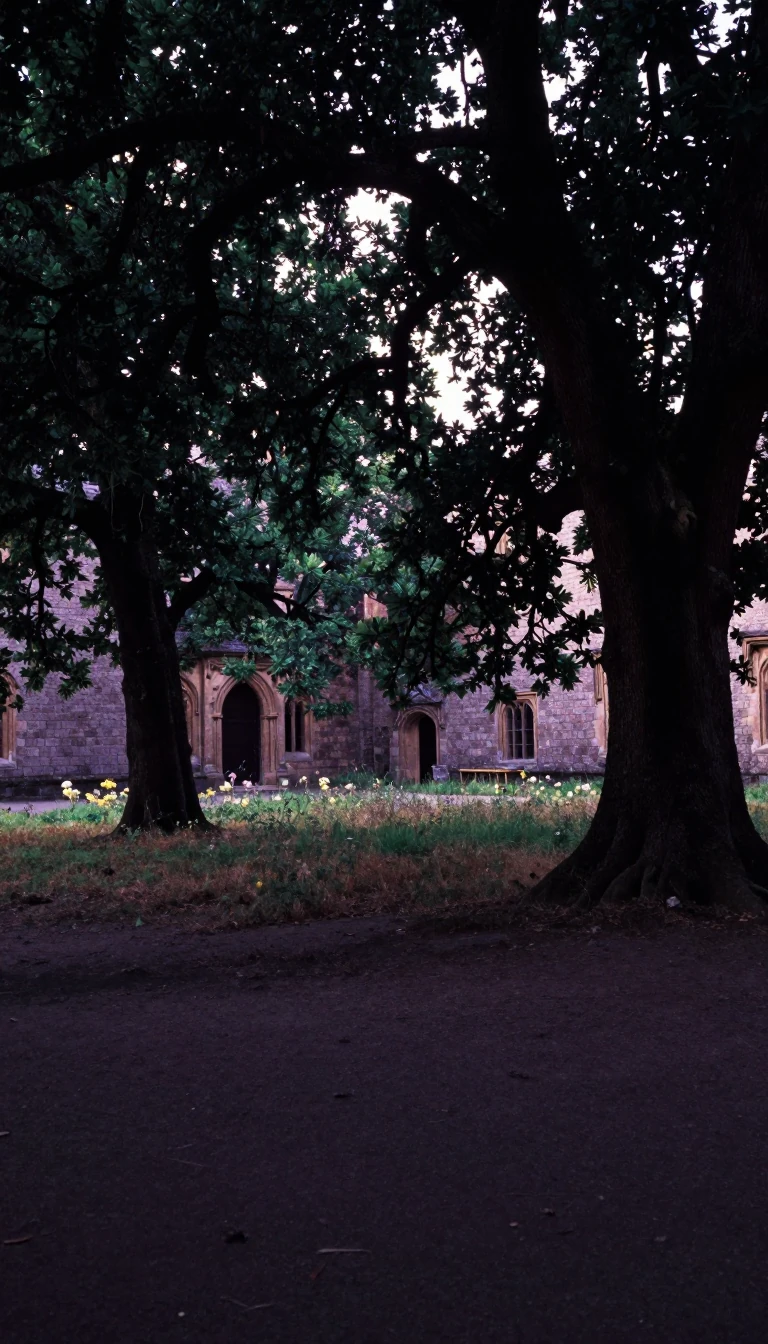
In short: Directed by Jerzy Kawalerowicz, this religious horror film reimagines the 17th-century Loudun possessions. When a priest arrives at a remote convent to exorcise a supposedly demon-possessed abbess, he discovers that the boundary between divine salvation and carnal obsession is far thinner than the church—or his own heart—can endure.
Released in 1961, Mother Joan of the Angels is a landmark of Polish cinema that earned the Special Jury Prize at the Cannes Film Festival. Based on a novella by Jarosław Iwaszkiewicz, the film relocates the historical 17th-century mass hysteria of Loudun to a convent in Smolensk. While the real-life events in France centered on the execution of the priest Urbain Grandier, this film explores the psychological aftermath, focusing on the period after the local priest, Father Garniec, has already been burned at the stake.
The narrative follows Father Józef Suryn, who arrives to exorcise Mother Joan, the convent's abbess. Despite the efforts of four predecessors, the possession persists. The film’s tension escalates when the exorcism appears to succeed, only for the nuns' behavior to worsen. Mother Joan begins to seduce Father Suryn, challenging his faith and his understanding of sainthood. The priest eventually concludes that the only way to save the abbess is to embrace the darkness himself, leading to a tragic act of violence that binds their fates together.
The film serves as a fictionalized reflection of the historical case involving Sister Jeanne of the Angels and the Jesuit mystic Jean-Joseph Surin. By shifting the setting and focusing on the internal struggle of the priest rather than the spectacle of the trial, Kawalerowicz creates a haunting study of obsession. It remains a significant work of art, recently included in Martin Scorsese’s curated collection of Polish masterpieces, and continues to influence culture, even appearing on the cover of the 2014 album The Unnatural World by the band Have a Nice Life.
The film is distinct from Ken Russell’s 1971 production, The Devils, which depicts the trial and execution of the priest. Instead, Kawalerowicz examines the lingering trauma and the psychological toll of religious repression. Through the character of Sister Małgorzata, who leaves the convent to pursue a secular life, the film provides a stark contrast to the suffocating environment of the convent, highlighting the human cost of the characters' spiritual and emotional entrapment.
Opens the Intellect+ feed with this card first. Swipe up for the next one.
Sources
- Summary by Intellect · source: Mother Joan of the Angels
- Also: Mother Joan of the Angels
- Also: Wikidata — Mother Joan of the Angels · CC0
To cite this card, link to https://intellectplus.co.uk/app/entertainment-mother-joan-of-the-angels.
How we source, check and correct cards: Editorial standards.
General information, not professional advice. Spotted an error? Flag the card or see corrections and complaints.
Intellect Plus is a visual educational discovery platform for exploring fascinating facts and ideas. Brain Food, Not Brain Rot. What is Intellect Plus?
Related
More in Films · More in Entertainment · Latest · A–Z · All topics
