How DreamWorks trained sixty mice to star in their first live-action family film
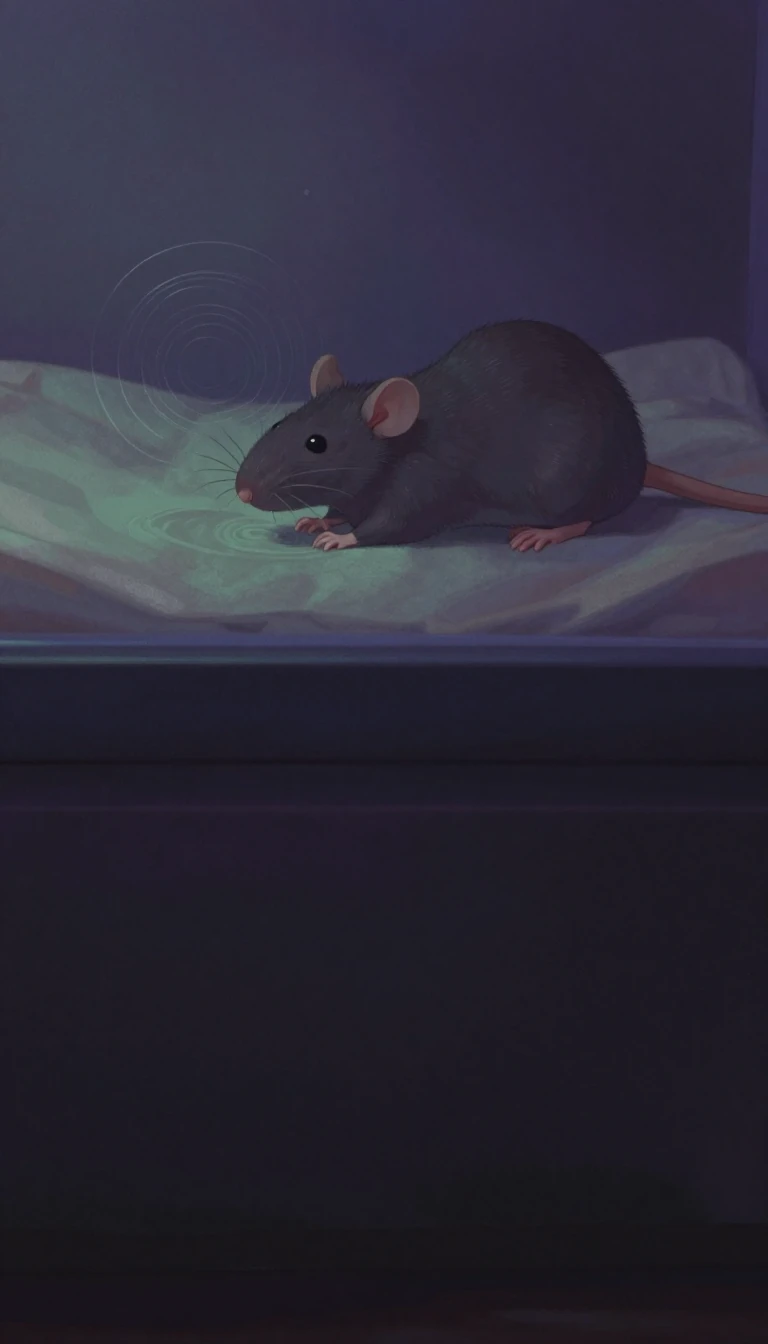
In short: When director Gore Verbinski set out to film the 1997 comedy Mouse Hunt, he rejected the idea of a cartoonish, cigar-smoking rodent. Instead, he demanded a realistic church mouse. The result was a logistical nightmare requiring a colony of sixty trained mice and up to 130 takes per scene.
Released in December 1997, Mouse Hunt served as the first family film from DreamWorks Pictures. The production was a high-stakes gamble for the studio, which had struggled with delays in its initial live-action slate. Directed by Gore Verbinski in his feature debut, the film followed two brothers battling a highly intelligent mouse for control of a Victorian mansion. To achieve the desired aesthetic, Verbinski insisted on using real animals, leading to an exhaustive casting search that yielded over 8,000 'rodent head shots' before professional trainer Boone Narr identified the right candidates.
The filming process was notoriously difficult. Because the mice could not be directed like human actors, the production required a second unit to run simultaneously with the main shoot. While the team utilized animatronic robots and limited CGI for complex stunts, the majority of the performance relied on a colony of sixty mice, each trained for specific tasks like climbing or jumping. Verbinski noted that while he encouraged improvisation from his human leads, Nathan Lane and Lee Evans, the mice required a surgical, rigid approach. Some sequences demanded up to 130 takes, nearly matching the record for the most takes in a single scene.
Critical reception was mixed, with some reviewers praising the film's dark, subversive humor and technical cinematography, while others felt the slapstick antics overshadowed the narrative. Despite the polarized reviews, the film was a commercial success, grossing over $122 million worldwide against a $38 million budget. Beyond its box-office performance, the film remains a notable case study in the evolution of DreamWorks, reflecting the studio's early ambitions and the unique, often chaotic, production methods of the late 1990s.
The legacy of the film extends into its complex distribution history. Following a billion-dollar acquisition of the DreamWorks live-action library in 2006, Paramount Pictures assumed control of the film. This shift in ownership explains why the movie appeared on various Paramount-affiliated platforms, including Paramount+ and Pluto TV, long after its initial theatrical run. From its origins as a risky debut to its status as a library staple, Mouse Hunt stands as a testament to the era's experimental approach to blending live animals with high-concept comedy.
Opens the Intellect+ feed with this card first. Swipe up for the next one.
Sources
- Summary by Intellect · source: Mouse Hunt
- Also: Wikidata — Mouse Hunt · CC0
To cite this card, link to https://intellectplus.co.uk/app/entertainment-mouse-hunt.
How we source, check and correct cards: Editorial standards.
General information, not professional advice. Spotted an error? Flag the card or see corrections and complaints.
Intellect Plus is a visual educational discovery platform for exploring fascinating facts and ideas. Brain Food, Not Brain Rot. What is Intellect Plus?
Related
More in Films · More in Entertainment · Latest · A–Z · All topics
